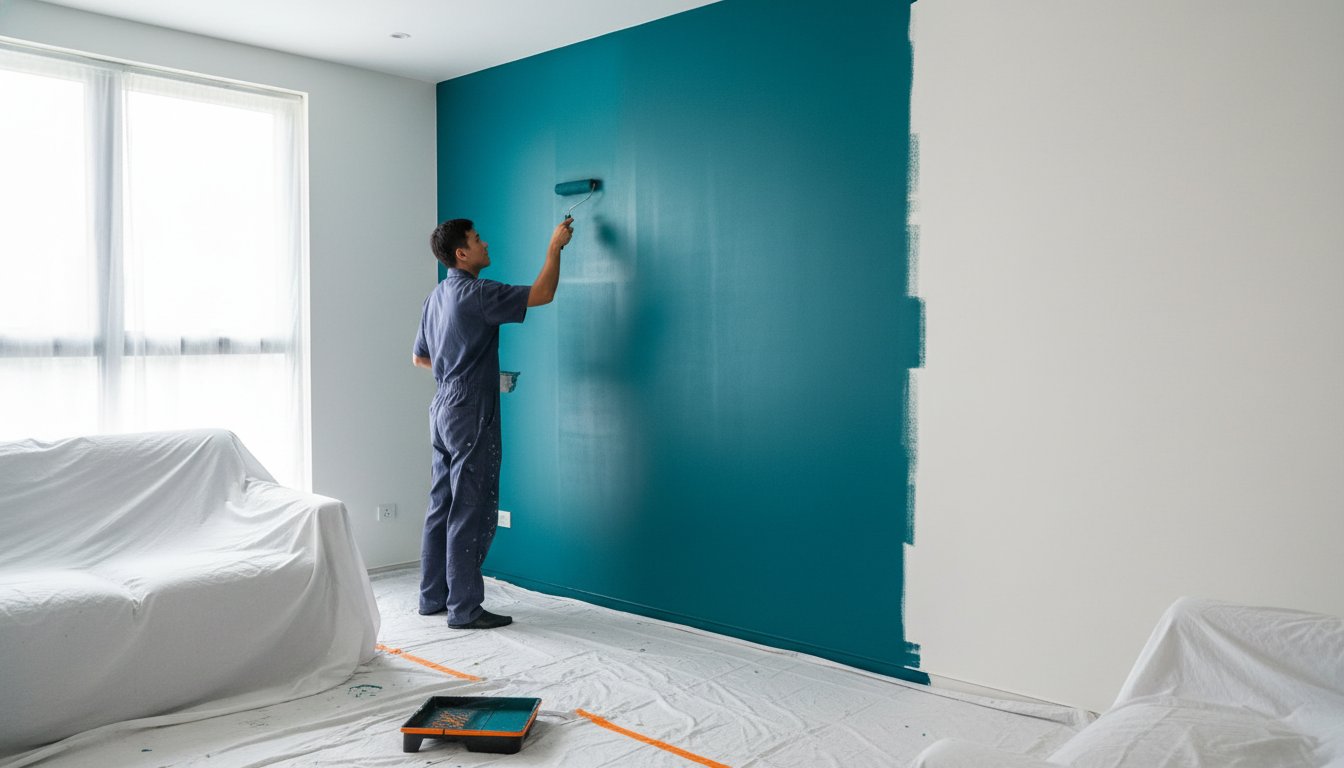

A fresh exterior paint job can make a property look cleaner, newer, and better cared for in a matter of days. But if you are figuring out how to choose exterior paint, appearance is only one part of the decision. The right paint also needs to handle sun, rain, humidity, surface movement, and daily wear without peeling, fading, or trapping moisture where it should not.
That is why exterior paint selection should never start and end with a color card. A shade may look perfect in the store and still be the wrong fit for the wall, trim, or metalwork outside your property. Good results come from matching the paint to the surface, the exposure, and the level of maintenance you are comfortable with over time.
How to choose exterior paint based on surface type
The first question is not which brand or finish to buy. It is what you are painting. Exterior walls, gates, railings, wood features, masonry, and repaired concrete all behave differently, and the paint needs to work with that material rather than fight it.
For masonry and concrete surfaces, breathability matters. Exterior walls can absorb moisture from rain, condensation, or tiny cracks in the substrate. If the coating is too dense or applied over an unstable surface, blistering and flaking often follow. A quality exterior wall paint designed for masonry usually gives you better weather resistance while still allowing trapped moisture to escape gradually.
Metal surfaces need a different approach. Grills, gates, and railings are more vulnerable to rust, especially where old coatings have failed or water collects around joints and edges. In these cases, primer performance is just as important as topcoat performance. Choosing a paint system without addressing corrosion underneath usually leads to short-lived results.
Wood trim and timber features also require care. Wood expands and contracts with heat and moisture, so a rigid coating may crack earlier than expected. Depending on the look you want, a varnish, stain, or exterior paint may be more suitable than a one-size-fits-all product.
Climate and exposure matter more than most people expect
If you want to know how to choose exterior paint wisely, look at the conditions around the building as closely as the building itself. A sheltered wall under a deep overhang does not face the same stress as a facade that gets direct sun all afternoon or repeated wind-driven rain.
UV exposure affects color retention. Darker shades tend to absorb more heat and can fade faster or place more stress on the coating, especially on broad exterior walls. That does not mean you should avoid strong colors completely. It means you should weigh appearance against maintenance expectations. If long-term consistency is the priority, lighter or mid-tone shades are often easier to live with.
Moisture exposure is another practical concern. Areas near landscaping, roof edges, external piping, or poor drainage often deteriorate faster because water keeps returning to the same spots. In those cases, even premium paint will struggle if the underlying source of moisture is ignored.
Choose the right paint finish, not just the right color
Most property owners focus on the shade first, which is understandable. Still, finish affects both the final look and the day-to-day performance of the paint.
Flat or matte finishes help hide minor surface imperfections, which can be useful on older walls that are not perfectly even. The trade-off is that they may hold dirt more easily and can be harder to clean. On the other hand, low-sheen or satin finishes often strike a better balance for exteriors because they offer a more washable surface without drawing too much attention to patching or texture variation.
For trim, doors, and metal details, a higher-sheen finish can sometimes be the better option because it is easier to wipe down and tends to look sharper. But high gloss is not always the most forgiving. It highlights dents, rough repairs, and uneven sanding, so preparation needs to be more precise.
Preparation tells you whether the paint job will last
One of the biggest mistakes people make when deciding how to choose exterior paint is treating paint as the whole job. In reality, the coating is only as reliable as the surface under it.
If the wall has chalking, hairline cracks, loose paint, mildew, or hollow plaster, these issues need attention before any new paint goes on. The same applies to spalling concrete, rust spots, and previous coatings that are already failing. Painting over damage may improve appearance briefly, but it rarely gives lasting protection.
Good preparation often includes cleaning, patching, sanding, priming, and in some cases more involved repair work. This is where professional assessment adds real value. An experienced contractor can tell whether a wall simply needs repainting or whether the substrate needs treatment first to avoid repeat problems.
Do not judge paint only by price per gallon
Budget matters, but the cheapest product is not always the most affordable choice. Exterior painting involves labor, access, preparation, and downtime. If a lower-cost paint fails early, the repaint cost is far more than the initial savings.
A better way to compare options is to think in years of service, not just material cost. Higher-grade paints usually offer stronger adhesion, better fade resistance, improved washability, and more stable coverage. They may also reduce the number of coats needed when used on properly prepared surfaces.
That said, premium paint is not automatically the right answer for every project. A rental property due for a short-term refresh may have a different budget strategy than a family home or commercial frontage where long-term presentation matters more. The smart choice depends on the building’s role, your maintenance expectations, and how long you want the finish to perform.
Brand claims are helpful, but specifications matter more
Many paints promise weather resistance, mold resistance, crack coverage, or long life. These claims can be useful, but they should be read with context. No exterior coating performs well on every surface, under every condition, with every preparation standard.
Instead of relying on marketing language alone, look at whether the paint is intended for your substrate, whether a primer is required, how it handles moisture, and what kind of coverage and recoat times are realistic. If you are comparing products, the questions should be practical. Will this system work on repaired masonry? Is it suitable for metal exposed to rain? Will the finish show every patch and texture change?
That is where a contractor who handles exterior repainting regularly can save you time and prevent expensive trial and error. At My Paint Job, we see this often: clients start by asking for a color, then realize the more important issue is choosing a paint system that suits the wall condition and the property’s exposure.
Color selection should serve the building, not just the sample card
Color still matters, of course. Exterior paint changes how a home or commercial property is perceived from the street. It can make a facade look modern, clean, bright, understated, or dated depending on the combination.
When choosing colors, think about the roof, paving, metalwork, stone, and neighboring structures. A beautiful standalone color can feel disconnected once it is applied across a full exterior. It also helps to test shades in natural light at different times of day. Sunlight can wash out pale tones or intensify warm and cool undertones more than expected.
For resale, rental, or broad appeal, neutrals usually offer the safest path. For owner-occupied homes or distinctive commercial spaces, stronger colors can work well if they are grounded by simpler trim and accent choices. The key is balance. Exterior schemes that age well tend to look intentional rather than overly busy.
When professional guidance makes the choice easier
Exterior painting is one of those jobs where the visible result is only half the story. What most owners want is not just a new color. They want a finish that looks polished, lasts well, and does not create extra problems a few months later.
That is why choosing exterior paint often comes down to three things: the condition of the surface, the demands of the environment, and the level of durability you expect for the money spent. Once those are clear, color and finish become much easier decisions.
If you are unsure where to start, begin with an on-site assessment rather than a paint chart. Seeing the walls, trim, repairs, and exposure conditions in person gives you a far more accurate answer than any label on a can. A good paint job should protect the property as well as improve it, and the right choice always starts there.