
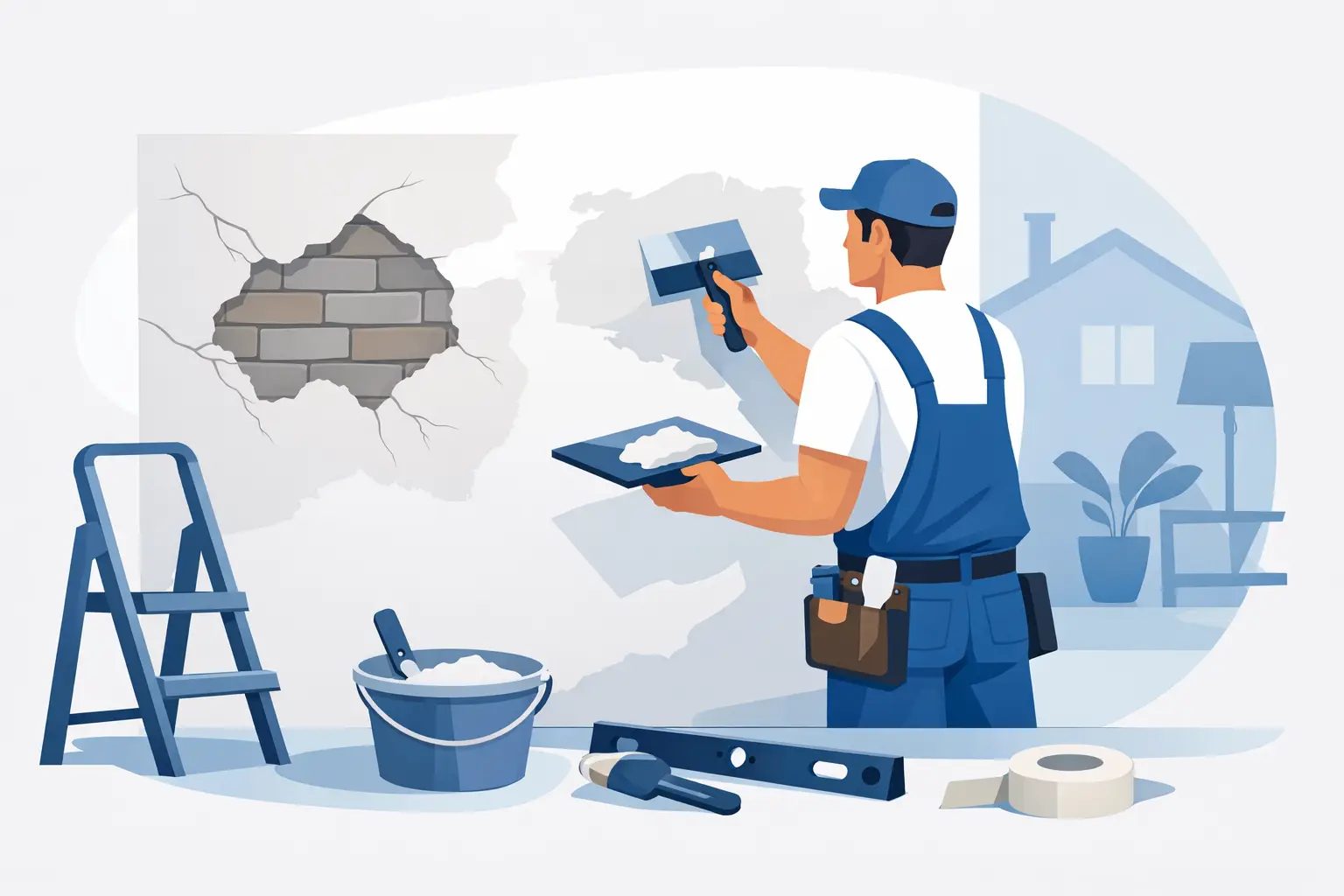
A hairline crack above a door can look harmless until paint starts flaking, plaster sounds hollow, or damp patches keep coming back. That is usually the point when most property owners realize this is not just a repainting issue. A qualified wall plaster repair contractor helps address the actual surface problem first, so the finish looks good and lasts.
In homes, offices, and retail spaces, damaged plaster affects more than appearance. It can make walls uneven, reduce paint adhesion, and create the impression that a property is poorly maintained. For landlords preparing a unit, homeowners freshening up a room, or business operators who need a clean, presentable space, proper repair work saves time, avoids repeat touch-ups, and protects the final paint result.
Why plaster damage should not be covered up
Fresh paint can hide a rough wall for a short while, but it does not solve loose plaster, moisture damage, or surface instability. If the substrate is failing underneath, the new coating will usually fail with it. That is why experienced contractors inspect the wall condition before recommending paint, patching, or deeper repair.
Plaster damage can come from several sources. Settlement cracks are common around doors, windows, and ceiling joints. Moisture intrusion may leave stains, bubbling, or soft patches. Previous poor repairs can also create problems when weak filler is applied over damaged areas without proper preparation. In older properties, repeated repainting over unresolved defects often makes the surface look uneven even when the color is new.
A good repair job starts by identifying the cause, not just the visible symptom. That matters because two walls with similar cracks may need very different solutions.
What a wall plaster repair contractor should actually do
Not every contractor approaches plaster repair with the same level of care. Some focus on speed and cosmetic patching. Others follow a more reliable process that improves durability and makes repainting worthwhile.
A professional wall plaster repair contractor should begin with an on-site assessment. This helps determine whether the damage is isolated or part of a larger issue, such as water seepage, spalling concrete, or poor previous workmanship. It also helps set realistic expectations on finish quality, drying time, and whether painting should happen immediately or after repairs have fully cured.
Surface preparation comes first
The damaged section usually needs to be scraped, cut back, or removed until the contractor reaches sound material. This is one of the biggest differences between a lasting repair and a temporary fix. If loose plaster is left in place, the new material has nothing reliable to bond to.
Once the weak area is removed, the surface is cleaned and prepared for rebuilding. Depending on the wall condition, this may involve bonding agents, patching compounds, skim coating, or fresh plaster application. The right material depends on the depth of damage, the wall type, and the environment.
The finish needs to match the surrounding wall
A repaired wall should not leave obvious humps, dips, or patch marks once painted. That takes careful leveling, drying, sanding, and blending. In residential interiors, this is especially important under direct lighting, where uneven work becomes obvious. In commercial settings, visible patching can affect the professional appearance of the space.
This is where workmanship matters. Good contractors do not just fill cracks. They restore the surface so it is ready for a smooth, consistent finish.
Signs you need more than a simple patch job
Some defects are minor and straightforward. Others suggest a deeper wall issue that should be handled properly before repainting. If cracks keep reopening in the same area, if plaster sounds hollow when tapped, or if bubbling appears near damp sections, a basic filler repair may not be enough.
The same applies when walls show powdery residue, widespread unevenness, or old patchwork that has failed. In these cases, a contractor may recommend partial replastering, skim coating across a larger area, or checking for moisture-related causes first. This can cost more upfront, but it often prevents repeated repairs and repainting later.
It also depends on the purpose of the project. If you are preparing a property for sale, handing over a rental unit, or upgrading a customer-facing business space, finish quality usually matters more than the cheapest short-term repair.
How to choose the right wall plaster repair contractor
Plaster repair is one of those trades where the result is easy to judge after the job, but harder for customers to assess before work begins. That is why choosing based on price alone can be risky.
Start by looking for a contractor who handles both repair and finishing work, not just one or the other. When the same team understands plaster condition, surface preparation, and repainting requirements, the outcome is usually more consistent. It also makes coordination easier and reduces finger-pointing if defects reappear.
Ask how they assess the damage and what repair method they recommend. A dependable contractor should be able to explain the issue in plain language, describe what will be removed and rebuilt, and tell you whether the wall is ready for paint right away or needs curing time. Clear explanations are often a sign of a disciplined process.
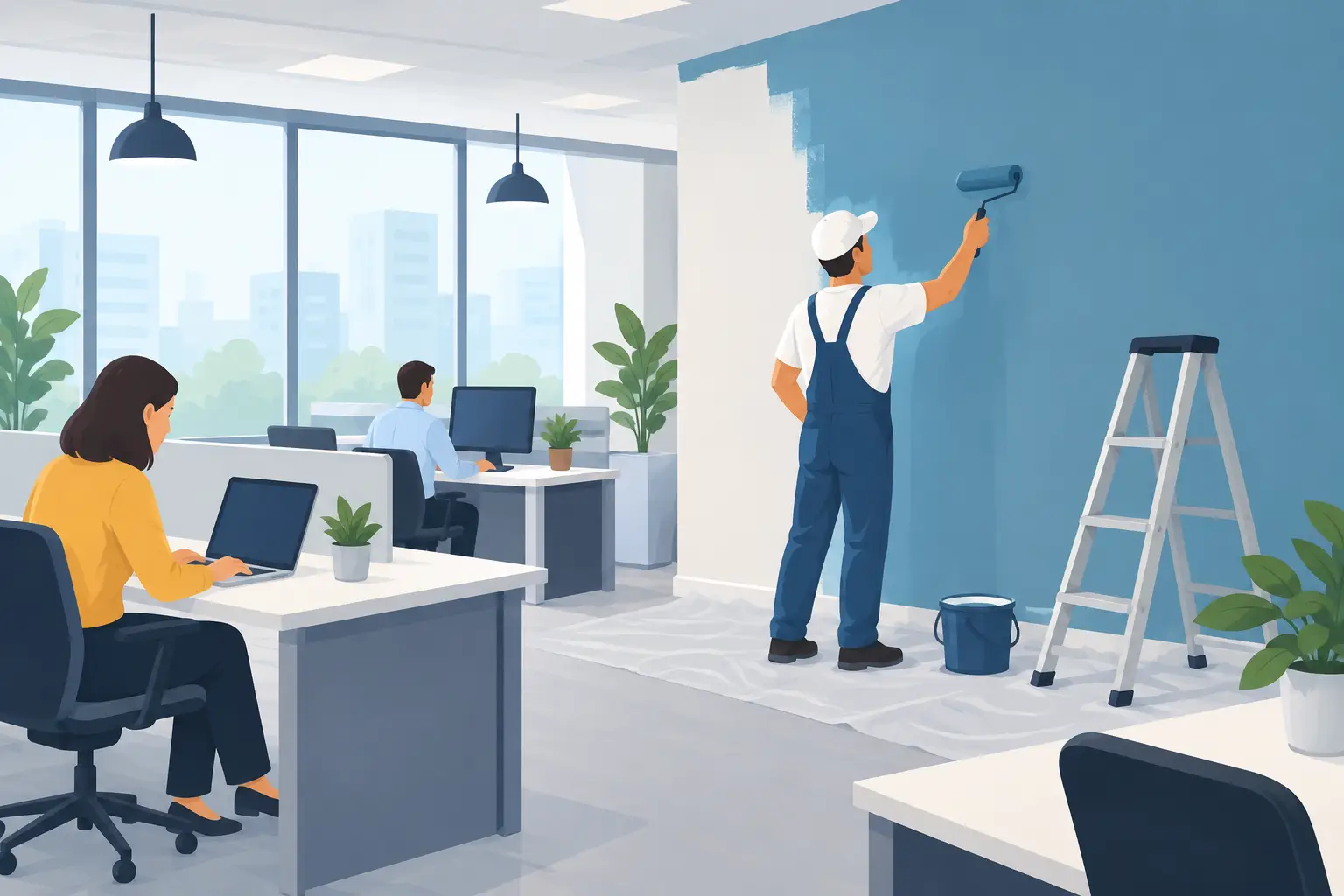
You should also ask about site protection and cleanup. Plaster repair can create dust and debris, especially when damaged areas need to be hacked off or sanded. For occupied homes and active commercial spaces, proper protection of floors, furniture, fixtures, and nearby work areas makes a real difference.
Reliability matters too. If you are managing a household, a tenant move-out, or a business schedule, delays can be disruptive. A contractor who gives a realistic timeline and sticks to it is often worth more than one who promises the fastest turnaround without explaining the steps involved.
Pricing: what affects the cost
There is no single rate for plaster repair because wall conditions vary a lot. Small hairline crack repairs are very different from repairing water-damaged sections or uneven surfaces across a full room.
Cost usually depends on the size of the damaged area, the depth of repair needed, ease of access, the amount of surface preparation, and whether painting is included after the repair. Moisture-related issues can also affect the scope. If the wall is still damp, repair may need to wait until the source is addressed.
This is why quote-based service is the better approach. A proper site inspection leads to more accurate pricing and fewer surprises once work starts. It also gives you a clearer picture of what is included, from preparation to final touch-up.
Why combined repair and painting service makes sense
Many property owners call for plaster repair because they are already planning to repaint. Combining both services often leads to a better result. The repaired areas can be primed correctly, the wall finish can be checked under the same scope, and the final paint application can be matched to the surface condition.
This is especially helpful when appearance matters and disruption needs to stay low. A managed service that handles inspection, repair, preparation, painting, and cleanup reduces the need to coordinate multiple vendors. For busy homeowners and commercial clients, that convenience is not a small benefit. It saves time, reduces miscommunication, and keeps the project moving.
At My Paint Job, this kind of work is approached as a full surface improvement process rather than a quick cosmetic fix. That means looking at what the wall needs first, then delivering a finish that holds up and looks clean.
When fast service is helpful, and when it is not
Urgent repairs are sometimes necessary. You may need to prepare a unit before handover, reopen a shop quickly, or refresh a room before new occupants move in. In these situations, fast execution matters.
Still, speed should not come at the expense of proper curing, adhesion, or finish quality. Some repairs can be completed quickly if the damage is minor and conditions are dry. Others need more time between application stages. A trustworthy contractor will tell you the difference instead of forcing every job into the same schedule.
That balance between efficiency and workmanship is what customers should really look for. Fast is useful. Done right is essential.
The result you should expect
A properly repaired plaster wall should feel solid, look even, and provide a sound base for paint. Cracks should not remain visible through the finish. Patch areas should blend into the surrounding wall. The space should also be left clean, with minimal hassle for the property owner or occupant.
Good wall repair is easy to overlook once it is done well, and that is the point. The wall should simply look right again.
If you are seeing cracks, flaking paint, hollow spots, or uneven surfaces, waiting usually makes the finish harder and more expensive to correct later. The best next step is to get the wall assessed properly, understand what is causing the damage, and choose a repair approach that gives you a surface worth painting.


Pingback: Apartment Painting Checklist for a Smooth Job - My Paint Job Singapore
Pingback: How to Fix Peeling Paint the Right Way - My Paint Job Singapore
Pingback: How to Paint a Rental Unit Without Costly Mistakes - My Paint Job Singapore