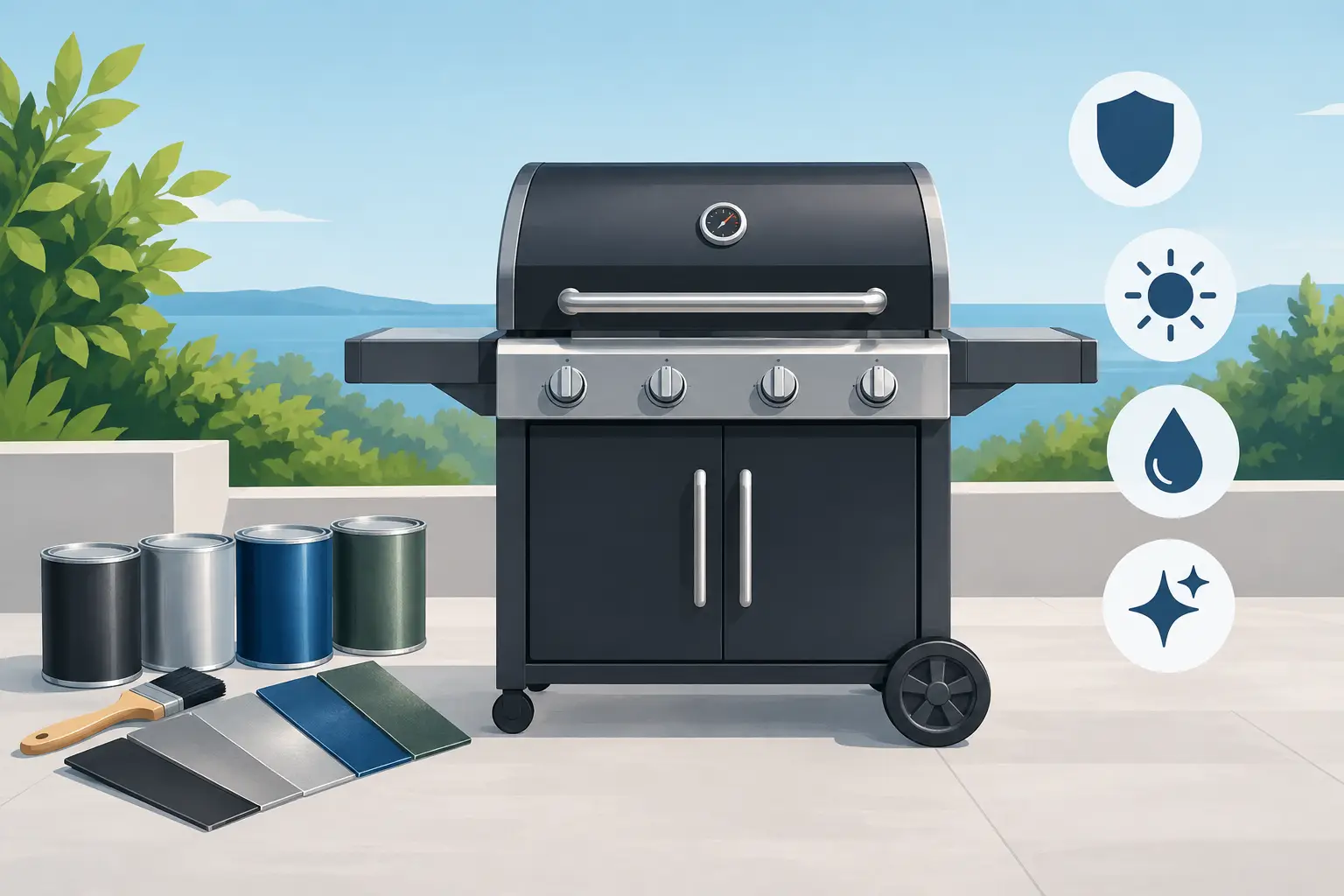
A metal grill can look clean and substantial one season, then show bubbling paint, orange rust, and chalky patches the next. The difference is rarely just the paint color. Choosing the best coatings for metal grills means matching the coating system to the metal, its condition, and the weather it faces every day.
For exterior window grills, gates, railings, and security grilles, a proper finish protects more than appearance. It helps prevent corrosion, reduces future repair work, and keeps the property looking cared for. In humid, rainy, or coastal environments, the right preparation and coating layers matter even more than the brand name on the paint can.
What Makes the Best Coatings for Metal Grills?
A durable metal-grill finish is a system, not a single product. It starts with a stable surface, followed by the right primer and a topcoat designed for outdoor metal. Skipping any of these stages may save time at first, but it often leads to peeling, rust bleed-through, and repainting far sooner than expected.
The best choice depends on whether the grill is mild steel, galvanized steel, aluminum, or previously painted metal. It also depends on its exposure. A sheltered balcony grill has different needs from a front gate exposed to strong sun, wind-driven rain, road dust, and constant hand contact.
A professional assessment helps avoid a common mistake: applying a premium topcoat over unstable rust or failing old paint. Even excellent paint cannot correct a surface that has not been cleaned, sanded, and primed properly.
The Most Reliable Coating Options
Rust-inhibiting primer for steel grills
For bare or rusted mild steel, a rust-inhibiting metal primer is the essential first layer. It creates adhesion between the metal and topcoat while slowing the oxidation that causes rust. Red oxide primers and zinc-rich primers are common options, though the right selection depends on the degree of corrosion and the intended topcoat.
Red oxide primer is a practical choice for many standard steel grills and gates after rust has been removed. Zinc-rich primer offers stronger sacrificial protection in more demanding conditions, making it worth considering for metal exposed to frequent moisture or more aggressive outdoor environments.
Primer should not be treated as a quick touch-up layer. It needs to cover edges, welds, joints, and hard-to-reach inner corners, where moisture tends to settle first. These small areas are often where coating failure begins.
Alkyd metal enamel for a classic painted finish
Alkyd-based metal enamel remains a popular option for grills because it provides a smooth, solid finish and good everyday durability. It is suitable for many residential gates, window grills, railings, and decorative metalwork when applied over a compatible primer.
This coating is usually a cost-effective choice for properties seeking a neat refresh without the expense of a more specialized system. It comes in a wide range of colors and sheen levels, from understated matte to easy-clean gloss.
The trade-off is that conventional enamel may not hold its color and gloss as long as higher-performance exterior coatings under intense UV exposure. Proper cleaning and enough drying time between coats are also necessary for a finish that hardens evenly.
Acrylic and polyurethane topcoats for stronger weather protection
For grills that receive direct sunlight and heavy weather exposure, acrylic or polyurethane-based exterior topcoats can offer better color retention and resistance to fading. These coatings are especially useful when a property owner wants a polished appearance that stays consistent for longer.
Polyurethane finishes are known for hardness and resistance to abrasion. That makes them a strong option for gates, handrails, and grills that are frequently touched or cleaned. Acrylic systems can also perform well outdoors, particularly when low odor and easier maintenance are priorities.
These higher-performance coatings require more attention to compatibility and application conditions. A professional painter will confirm that the primer, intermediate coat, and topcoat work together. Mixing incompatible products can cause wrinkling, poor adhesion, or premature failure.
Epoxy coatings for demanding surfaces
Epoxy coatings create a hard, highly adhesive barrier and are valued for their resistance to moisture and chemicals. They can be an excellent choice for certain commercial settings, service areas, or metal exposed to harsher conditions.
However, epoxy is not always the best final coat for outdoor grills. Many epoxy products can chalk or discolor when exposed to ultraviolet light unless they are protected with a UV-resistant topcoat. For exterior work, epoxy often performs best as part of a multi-layer system rather than as the only visible finish.
Powder coating for factory-level durability
Powder coating is one of the most durable finishes available for metal grills, gates, and railings. The coating is electrostatically applied and heat-cured, creating an even, hard finish that resists chipping and weathering well.
It is particularly effective for new or removable metal components that can be sent to a powder-coating facility. Powder coating offers a refined, uniform look and is available in many colors and textures.
Its limitation is practicality. Existing fixed grills generally cannot be powder coated in place, and removal, transport, and reinstallation add cost and coordination. If the grill is already installed and structurally sound, a carefully prepared on-site paint system is often the more efficient solution.
Surface Preparation Decides How Long the Coating Lasts
The best coating will fail if it is applied over loose paint, grease, dust, or active rust. Preparation is where quality workmanship becomes visible over time.
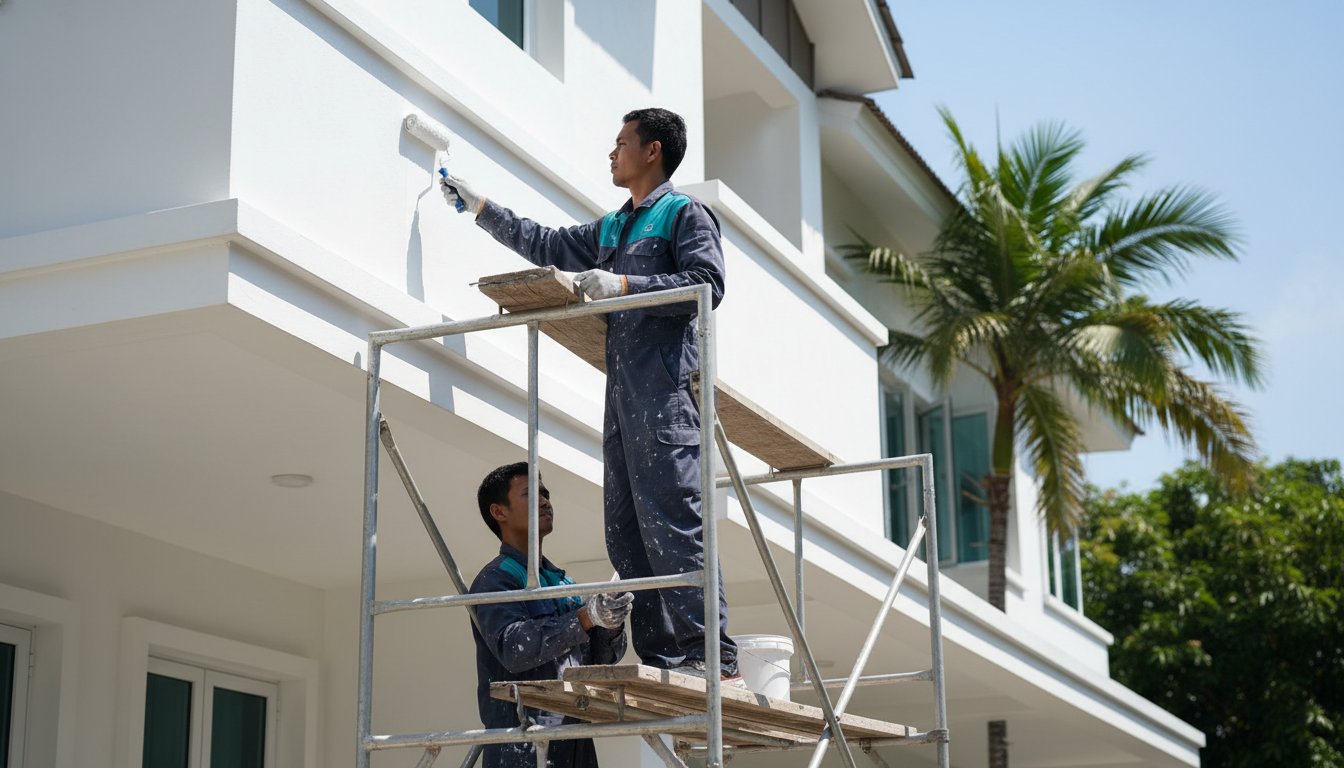
A proper metal-grill painting process begins with an inspection. The painter checks for rusted-through sections, weak welds, flaking paint, and areas where water collects. Severe corrosion may require repair or replacement before painting, since coating a weakened metal section only hides the problem temporarily.
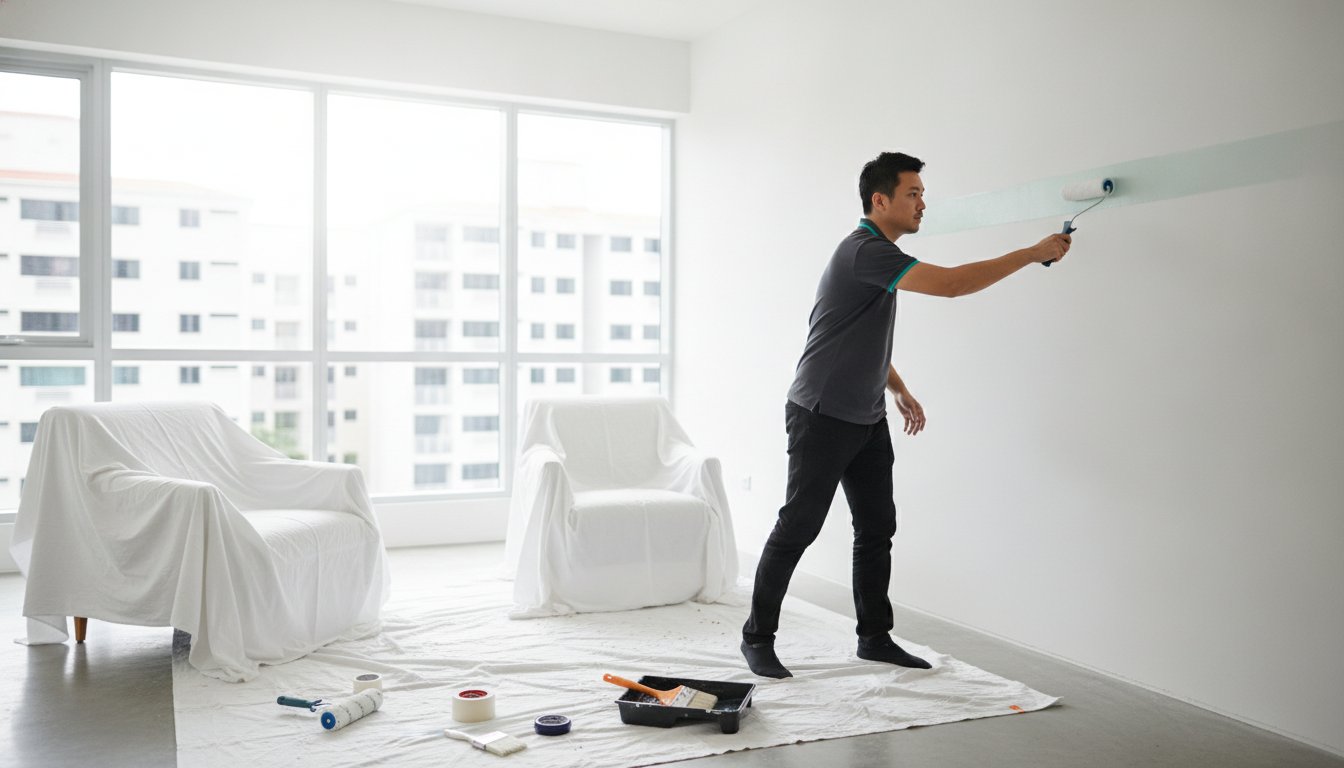
Next comes cleaning and removal of loose material. This may involve wire brushing, sanding, scraping, or mechanical abrasion to remove rust and unstable paint. The surface is then cleaned to remove fine dust, oil, and contaminants. Bare spots receive the appropriate metal primer, followed by one or more topcoats after the recommended drying time.
Careful masking is equally important in occupied homes and commercial spaces. Glass, walls, floors, landscaping, and nearby furniture should be protected so the work stays clean from preparation through final touch-up and cleanup.
Choosing a Finish for Your Property
For most homes, a rust-inhibiting primer with two coats of quality exterior metal enamel is a dependable and affordable system. It suits standard steel window grills, balcony railings, and gates that are in generally sound condition.
For premium residences, highly visible entry gates, or surfaces exposed to strong sun, a higher-grade exterior acrylic or polyurethane topcoat may be a better investment. It can maintain color and finish quality longer, reducing the need for frequent cosmetic repainting.
For commercial properties, the choice often comes down to durability, maintenance schedules, and operational downtime. A retail storefront may prioritize an attractive color finish and fast completion, while an industrial or service area may need a more protective epoxy-based system with a suitable UV-stable topcoat.
Galvanized metal and aluminum need special attention. Standard primers may not adhere well to these surfaces, so an appropriate bonding or galvanized-metal primer is required. This is one reason a quick, one-product repaint can become an expensive redo.
When Repainting Is Not Enough
Paint cannot restore metal that has become structurally compromised. If a grill has deep pitting, holes, detached welds, or rust spreading from inside hollow sections, repairs should come before coating. Addressing these issues early protects both the finish and the safety of the installation.
It is also wise to inspect grills before the rainy season or before listing a property for rent or sale. Freshly coated grills can make an exterior feel cleaner and more maintained, but only when the finish is even, properly cured, and free from overspray.
A dependable painting team can handle the details that are easy to overlook: identifying the metal type, removing unstable paint, selecting compatible primers and topcoats, protecting the surrounding area, and leaving the site clean. Request a professional assessment before choosing a coating, and you will get a finish that looks right on day one and continues protecting the metal long after the paint has dried.