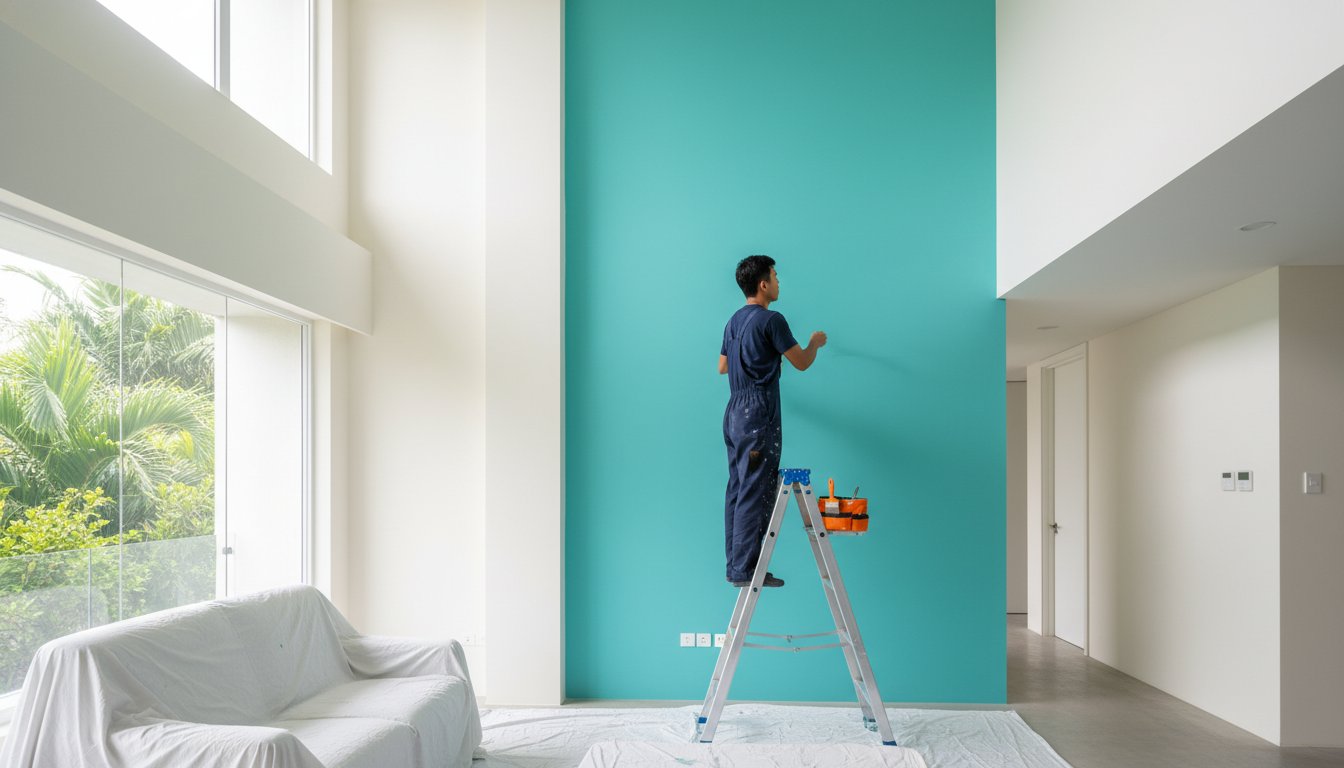
A fresh paint color can look completely different once the light hits it. That is why the decision between matte versus satin paint matters as much as choosing the color itself. The finish affects how visible wall imperfections become, how easily surfaces can be cleaned, and whether a room feels soft and understated or polished and reflective.
For homeowners, landlords, and business owners, there is no one finish that works perfectly everywhere. A practical choice considers the room’s traffic, natural light, wall condition, maintenance needs, and the look you want to achieve. The right finish helps your newly painted space stay attractive for longer, without creating unnecessary upkeep.
Matte Versus Satin Paint: The Main Difference
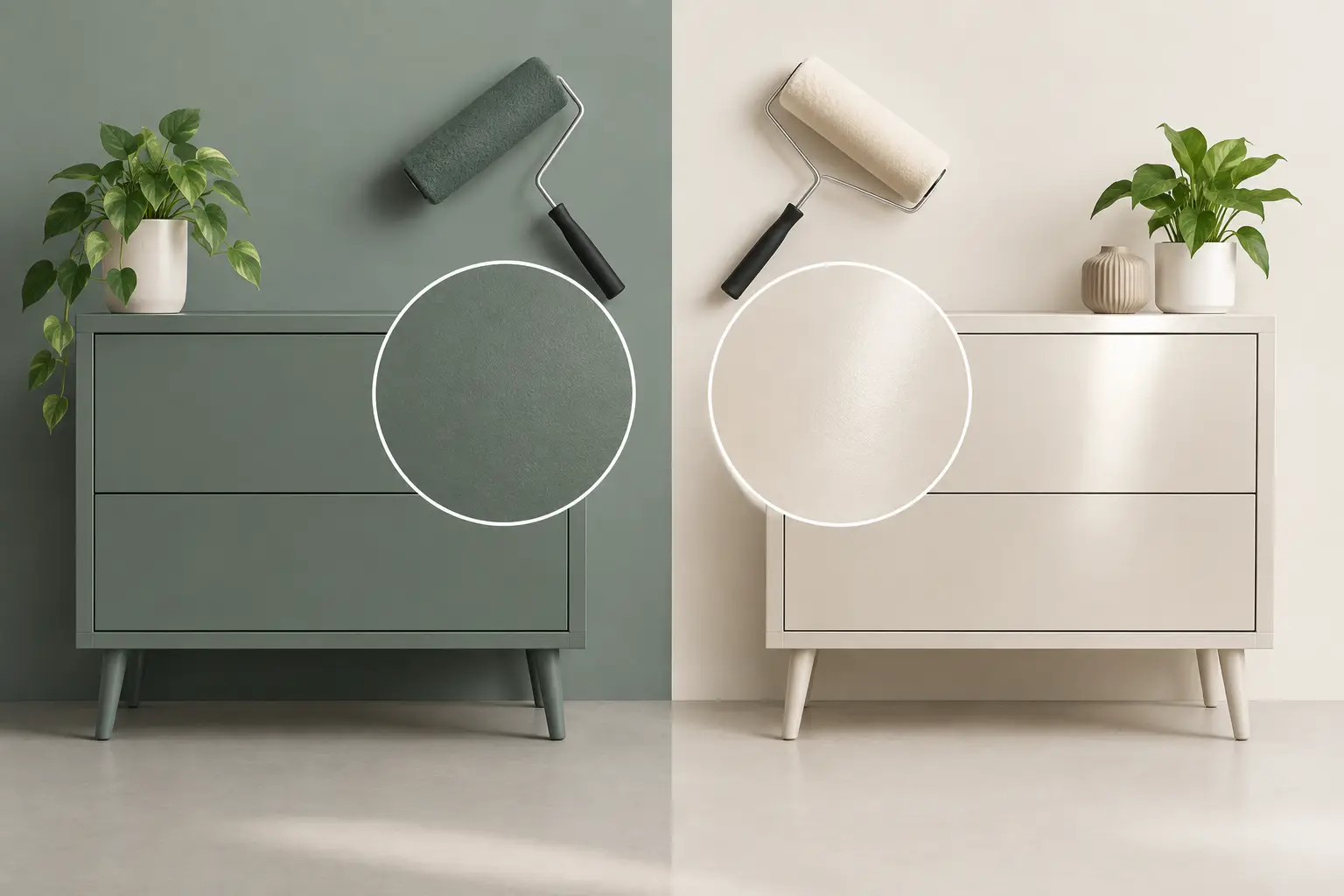
The difference comes down to sheen, or how much light a painted surface reflects. Matte paint has very little shine. It absorbs light, creating a smooth, calm appearance that is especially effective on broad walls and ceilings. Satin paint has a soft, low-level sheen. It reflects more light than matte but remains far less glossy than semi-gloss or high-gloss finishes.
In practical terms, matte paint tends to hide uneven textures, small patching marks, and minor surface flaws more effectively. Satin paint is usually easier to wipe clean and better suited for areas that experience regular handling, moisture, or movement.
Neither is automatically the premium option. A high-quality matte finish can look refined and perform well in the right setting, while a satin finish can offer the durability a busy household or commercial space needs. The better choice depends on where the paint will be used and how the surface will be treated day after day.
When Matte Paint Is the Better Choice
Matte paint is valued for its elegant, non-reflective look. Because it does not bounce light around the room, it creates a more even visual field. This is especially helpful in older properties, where walls may have slight waves, previous repairs, hairline cracks, or uneven plastering.
Living rooms, bedrooms, dining areas, and ceilings are common places for matte paint. In these lower-contact spaces, its softer appearance can make a room feel more restful and sophisticated. Deep colors and muted neutrals often look particularly rich in a matte finish because the lack of shine gives the color visual depth.
Matte paint is also a sensible choice for large walls facing strong sunlight. Satin paint can reveal roller marks, plaster imperfections, and uneven patches when light strikes the wall at an angle. Matte reduces that effect, giving the surface a more consistent appearance.
The trade-off is maintenance. Traditional matte paint may mark more easily from fingerprints, furniture scuffs, or frequent cleaning. Some marks can be difficult to remove without affecting the finish. Modern washable matte paints have improved considerably, but they still need a gentler approach than satin surfaces.
For rental properties, matte can work well in bedrooms and living areas where a clean, neutral finish is the priority. However, spaces likely to receive frequent touch-ups may benefit from a more washable finish instead.
Matte Paint Works Well for Ceilings
Ceilings are one of the clearest cases for matte paint. A ceiling should generally disappear into the room rather than draw attention to itself. Matte minimizes reflected glare from overhead lighting and helps conceal joints, patches, and other minor irregularities.
For HDB apartments, condominiums, and offices with large ceiling areas, a proper matte ceiling paint gives a clean, professional result without an unwanted shine.
When Satin Paint Is the Better Choice
Satin paint is often selected for its balance of appearance and practicality. It has a gentle sheen that makes a space feel clean and finished without looking overly glossy. More importantly, its tighter surface is generally more resistant to stains and easier to wipe down.
This makes satin a strong option for hallways, children’s rooms, kitchens, bathrooms, entryways, and areas around switches and doors. These are the places where hands, bags, food splashes, humidity, and daily activity leave their marks.
In commercial settings, satin paint is often a practical choice for office corridors, reception areas, retail interiors, and back-of-house walls. These spaces need to look presentable while standing up to regular cleaning and contact. A satin finish can reduce the need for frequent repainting caused by minor scuffs and stains.
Satin is also well suited to wood trim, doors, grills, gates, and selected feature details. Its light-reflecting quality can make these elements look neater and more defined. For doors and frames that receive daily handling, a durable satin coating is usually easier to maintain than matte.
The trade-off is that satin highlights poor surface preparation. If a wall has dents, rough patches, uneven skim coating, or visible repairs, the sheen may draw attention to those flaws. Proper sanding, plastering, and priming are essential before applying satin paint.
Satin Paint Needs Better Surface Preparation
A high-sheen finish is less forgiving, and satin sits in the middle. It will not expose imperfections as strongly as gloss paint, but it can still make uneven areas noticeable, especially under bright downlights or direct daylight.
Before painting, professional preparation may include filling nail holes and cracks, repairing damaged plaster, sanding uneven areas, treating water stains, and applying the appropriate primer. This work is not an optional extra. It is what allows the final coat to look smooth, even, and long-lasting.
How Lighting Changes the Finish
Lighting can change the answer to matte versus satin paint quickly. A satin wall in a dim hallway may appear subtle and refined. The same wall under bright spotlights may show more reflection and reveal every inconsistency in the surface.
Matte paint is often the safer choice in rooms with large windows, strong afternoon sun, or direct wall-washing lights. It softens reflected light and helps large surfaces feel more uniform. Satin can work beautifully in spaces with controlled lighting or walls that have been carefully prepared.
Before committing to an entire property, test the chosen color and finish on the actual wall. View it in morning light, evening light, and with the room’s regular lighting switched on. A small sample can prevent a costly decision based only on how a paint chip looked in a store.
Choosing by Room and Daily Use
For a typical home, it is often sensible to use more than one finish. Matte paint can create a calm, polished look in bedrooms, living rooms, and on ceilings. Satin can provide better protection in bathrooms, kitchens, hallways, and high-contact areas.
This approach also works for offices and retail spaces. Customer-facing feature walls may benefit from matte for a more premium visual effect, while corridors, work areas, pantry spaces, and doors may need satin for easier maintenance. Finish selection should support how each space is actually used, not just how it looks on the first day.
Humidity is another consideration in Singapore properties. Bathrooms, kitchens, laundry areas, and poorly ventilated rooms need paints designed to handle moisture and resist mildew. A satin or other washable moisture-resistant finish is often more practical in these environments, provided the underlying surface is dry and properly treated before painting.
Quality Paint and Skilled Application Matter
Paint sheen is only part of the result. The quality of the paint, the condition of the wall, and the application method all affect appearance and durability. Even the best satin paint can look uneven if it is applied over rough plaster or rolled inconsistently. Likewise, a quality matte finish can look tired quickly if the wrong product is used in a high-traffic area.
A professional painting team evaluates more than color. They assess surface damage, moisture concerns, existing coatings, lighting, room usage, and the type of cleaning the wall will need to tolerate. That allows the finish and preparation process to be matched to the property instead of relying on a one-size-fits-all recommendation.
At My Paint Job, this means handling the details from surface inspection and color consultation through furniture protection, careful painting, and cleanup. The goal is a finish that looks right in your space and continues to perform after daily life resumes.
If you are deciding between matte and satin, start with the wall’s condition and the room’s routine. A finish that suits the way you live or work will give you far more satisfaction than one chosen only for its appearance on a sample card. Request a professional assessment before painting, and let the room itself guide the final choice.