
A balcony coating does more than improve the look of tired concrete. It is part of the surface that stands between your property and rainwater, foot traffic, UV exposure, stains, and gradual concrete damage. This guide to concrete balcony coatings helps homeowners and property managers choose a finish that looks polished while protecting the slab underneath.
A good result starts with the condition of the concrete, not with a color chart. If moisture is trapped below the surface, cracks are active, or water pools after rain, even a premium coating can fail early. Professional preparation identifies those issues first, so the finished balcony is clean, durable, and safer to use.
What Concrete Balcony Coatings Do
Concrete is strong, but it is naturally porous. Water can enter through tiny openings, especially where there are hairline cracks, worn sealers, or failed joints near walls and railings. Over time, moisture may cause staining, mold growth, surface erosion, and in more serious cases, spalling concrete.
The right balcony coating creates a protective layer over the slab. Depending on the system chosen, it can reduce water absorption, improve stain resistance, provide a more slip-resistant walking surface, and make routine cleaning easier. It also gives an aging balcony a consistent, finished appearance without the cost and disruption of replacing the concrete.
However, coatings are not a shortcut for structural repairs. A coating can bridge very fine, stable cracks, but it cannot correct a loose concrete surface, major movement, or drainage problems. Addressing the source of damage is what protects your investment.
Guide to Concrete Balcony Coatings: Choose by Performance
There is no single best coating for every balcony. The best option depends on whether the balcony is fully exposed, partially sheltered, used for entertaining, or simply needs basic protection. The amount of traffic, the desired texture, local weather, and the condition of the slab all matter.
Acrylic coatings for a practical refresh
Acrylic-based concrete coatings are often chosen for their cost-effectiveness, broad color selection, and straightforward maintenance. They can give balconies a fresh, uniform appearance while adding a layer of weather resistance. For a lightly used, covered balcony in sound condition, an acrylic system may be a sensible solution.
The trade-off is that acrylic coatings may need more frequent recoating than higher-performance systems, especially in areas with strong sun, frequent rain, or constant foot traffic. Surface preparation and a compatible primer are essential for proper adhesion.
Epoxy coatings for stain resistance
Epoxy coatings create a hard, attractive surface that handles stains and cleaning well. They are commonly used where a smooth, decorative finish is a priority, such as enclosed balconies or protected outdoor areas.
For an exposed balcony, epoxy needs careful consideration. Standard epoxy can discolor or chalk with prolonged UV exposure. A UV-stable topcoat may help, but a contractor should assess whether a different exterior coating system will provide better long-term value. A shiny epoxy surface may also be slippery when wet unless a suitable anti-slip aggregate is added.
Polyurethane coatings for exposed areas
Polyurethane systems are valued for UV stability, flexibility, and wear resistance. They can be a strong choice for balconies exposed to sun and rain because they are better able to handle normal expansion and contraction than rigid coatings.
These systems are often more costly than basic paint, and application conditions need close control. Humidity, surface moisture, and curing time can affect the result. When installed properly, however, polyurethane can offer a refined finish with dependable outdoor performance.
Waterproofing membranes for moisture concerns
If water penetration is the main issue, a waterproofing membrane may be more appropriate than a conventional decorative coating. These systems are designed to form a continuous barrier that protects the concrete below. They are especially worth considering when there are recurring leaks to the space below, multiple hairline cracks, or persistent exposure to heavy rain.
A membrane should be selected and installed as a complete system, including compatible primers, detailing at edges and upturns, and a protective topcoat where needed. The surface still needs proper slope toward a drain. Waterproofing will not solve water that has nowhere to go.
Start With the Balcony Inspection
Before any coating is applied, inspect the entire surface. Look for peeling old paint, powdery concrete, cracks, hollow-sounding areas, rust stains, ponding water, and failed sealant along walls, drains, or railing bases. These are not minor details. They determine the preparation work and the coating system that will last.
Hairline cracks may be suitable for crack filling and coating, but wider cracks need closer assessment. Rust-colored staining or pieces of concrete breaking away can indicate reinforcement corrosion beneath the surface. In that situation, spalling concrete repair should be completed before coating begins. Applying a finish over unstable concrete only hides the issue temporarily.
Drainage deserves equal attention. After rain or washing, water should move toward the drain rather than collect in low spots. Standing water increases slip risk, places constant stress on the coating, and may find its way through weak points at joints or edges.
Surface Preparation Determines the Finish
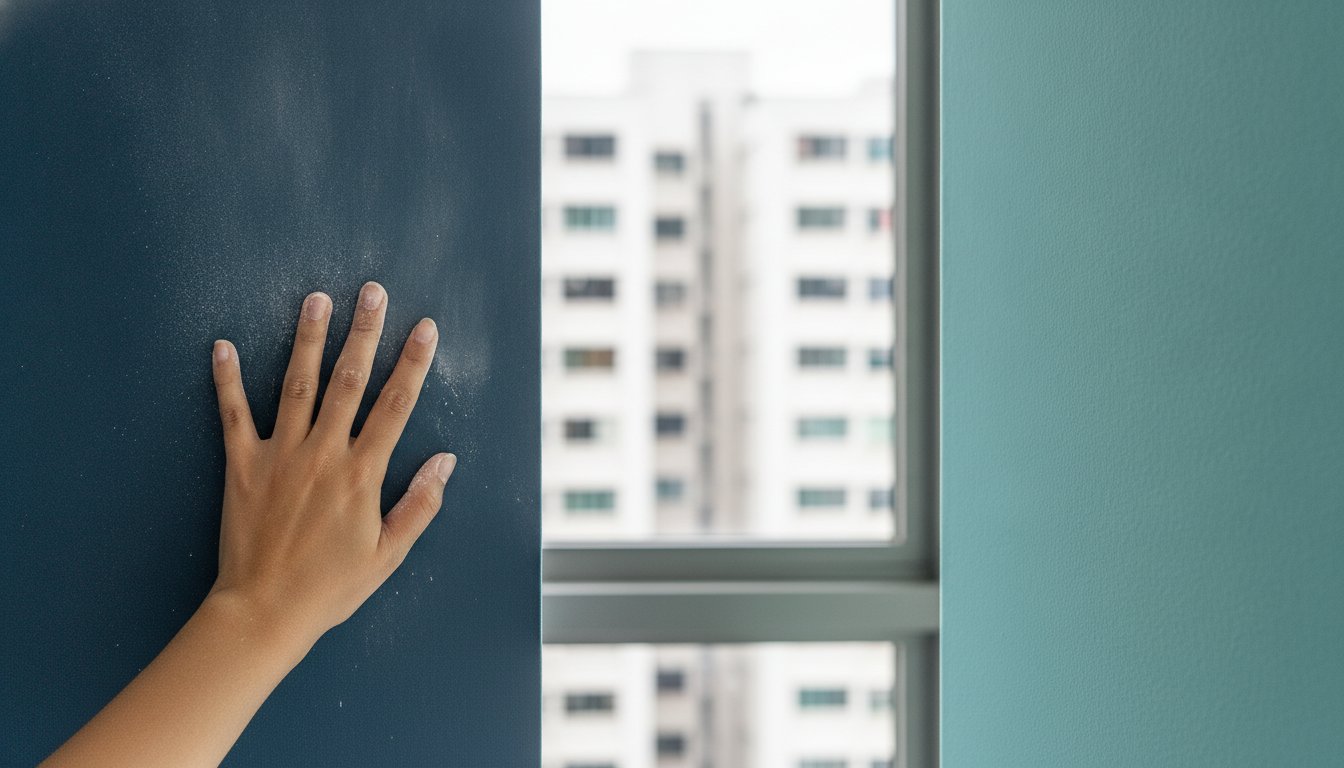
Most coating failures begin below the visible surface. Paint or membrane material can only bond properly to concrete that is clean, dry enough for the system, and structurally sound.
The preparation process typically begins by removing loose paint, failed coatings, dirt, grease, algae, and efflorescence. Depending on the balcony’s condition, this may involve scraping, mechanical abrasion, pressure washing, or localized concrete repair. The surface is then allowed to dry according to the product requirements.
Cracks and joints need different treatment. Stable cracks may be routed and filled with a compatible repair material, while movement joints should generally remain flexible and be sealed with an appropriate joint sealant. Coating over a working joint without proper detailing can lead to a straight-line crack in the new finish.
Once repairs are complete, a primer helps the coating bond evenly to the concrete. The coating is then applied at the correct thickness, often in multiple coats. Rushing this stage, applying over damp concrete, or skipping the primer to reduce cost can compromise the lifespan of the entire project.
Make Safety Part of the Specification
A balcony is frequently wet, so appearance should never be the only deciding factor. A very smooth or glossy finish can look appealing in photos but become hazardous after rain. Ask for a slip-resistant texture that suits how the area is used.
The right level of texture is a balance. Too little texture may be slippery; too much can trap dirt and make cleaning more difficult. For most residential balconies, a fine anti-slip aggregate provides practical grip without creating an overly rough surface. Areas around planters, laundry zones, and exterior doors often benefit from extra attention because they are more likely to stay damp.
Color also affects daily use. Light neutral shades can make a compact balcony feel brighter, but they may show dirt and leaf stains more easily. Dark colors can look modern but may become hot under direct sun. A mid-tone gray, beige, or textured stone-inspired finish often gives a forgiving, polished result.
How to Keep a Balcony Coating Looking Good
A professionally installed coating needs simple, regular care rather than aggressive cleaning. Sweep away leaves, soil, and standing water so debris does not hold moisture against the surface. Wash with a mild cleaner as needed, avoiding harsh acids or abrasive tools that can dull or damage the protective layer.
Check drains periodically and keep them clear. Inspect sealant lines, cracks, and coating edges at least once a year, particularly after severe weather. Early touch-ups around a damaged spot are usually simpler and more affordable than waiting for water to travel beneath the coating.
Avoid dragging heavy furniture or planters across the surface. Use protective feet under furniture and raise large planters slightly so water can drain and air can circulate below them. These small habits reduce scratches, staining, and trapped moisture.
When Professional Help Is Worth It
A small, sheltered balcony with sound concrete may be suitable for a basic coating refresh. But if you see peeling layers, recurring cracks, water leaks, hollow concrete, or rust stains, professional assessment is the safer choice. These symptoms often point to preparation or repair work that should not be guessed at.
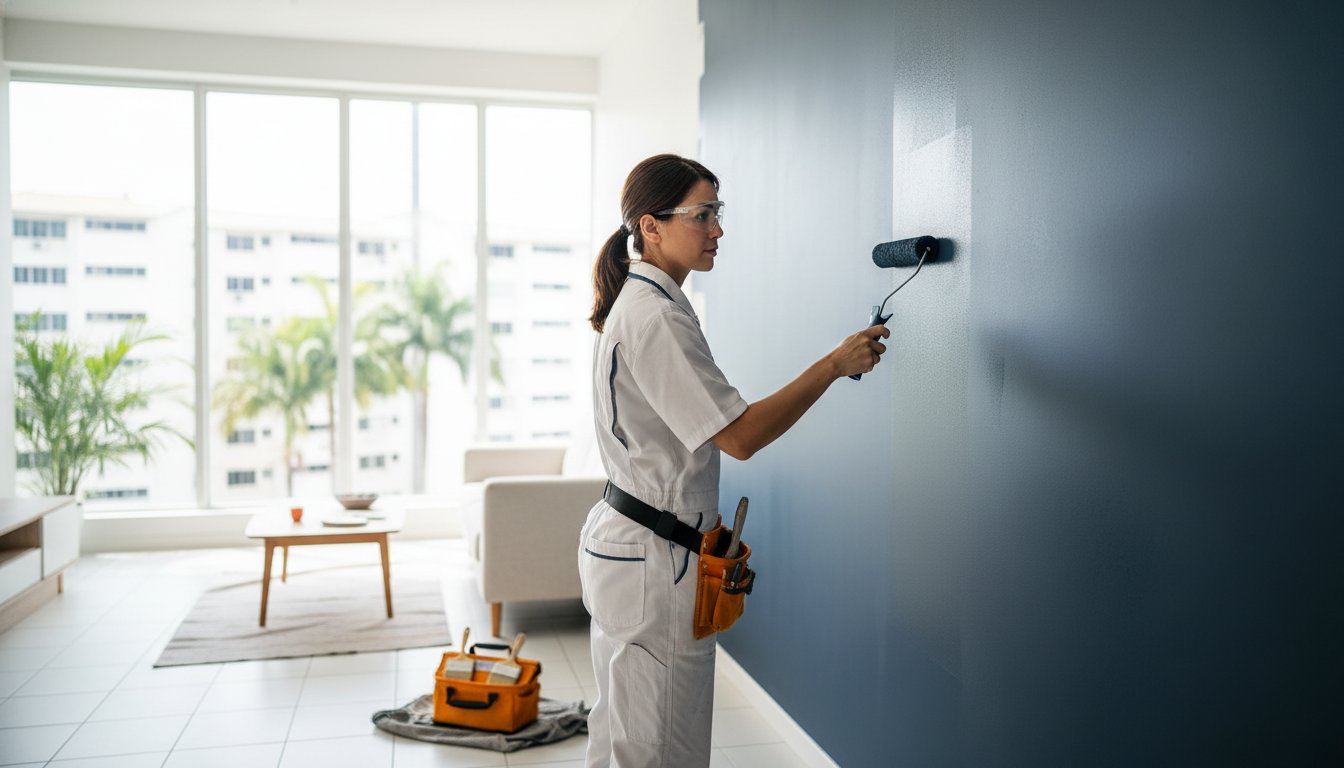
My Paint Job manages balcony surface improvement from inspection and repair recommendations through careful protection, coating application, and cleanup. The goal is not simply to cover concrete. It is to provide a finish that suits the balcony’s exposure, use, and long-term maintenance needs.
Before choosing a color or finish, take a look at what happens on the balcony after the next rainfall. Where the water settles, where the surface stays dark, and where cracks reappear will tell you far more about the right coating than a sample card ever can.