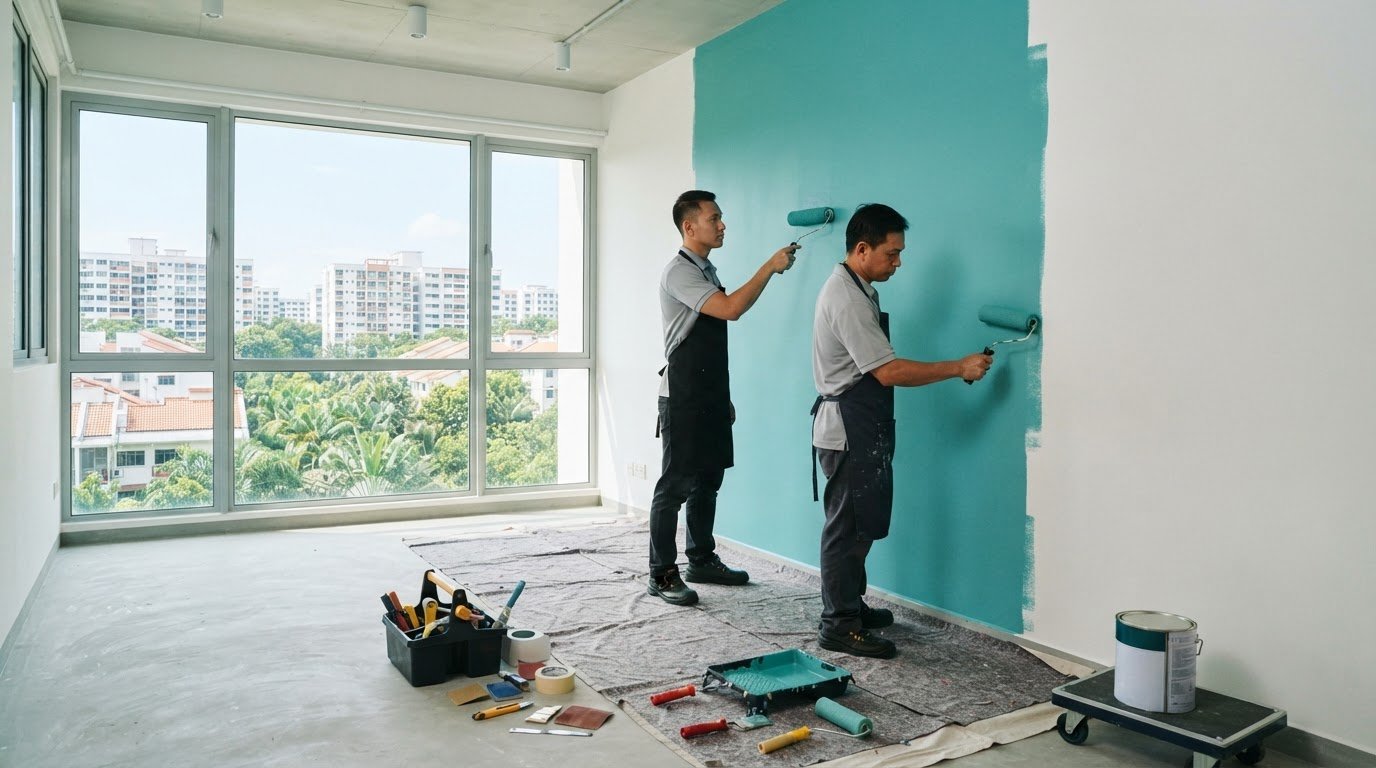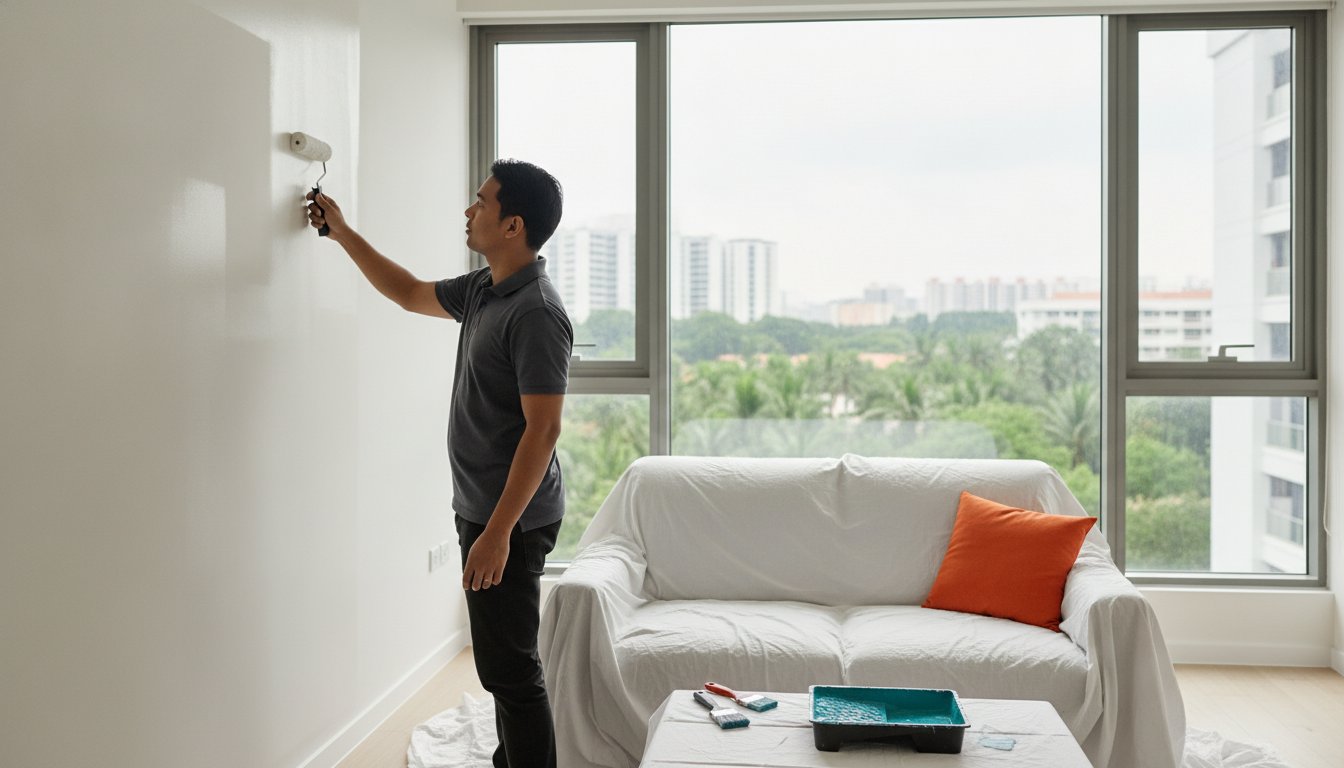

A fresh paint job should improve a space, not leave behind a lingering odor, a difficult cleanup, or a finish that fails too soon. Sustainable coatings offer homeowners, property managers, and business owners a more responsible way to protect and refresh walls, ceilings, metalwork, and wood while keeping comfort, durability, and maintenance in view.
For a home, office, or retail property, the right coating choice can affect how a room feels on move-in day and how well its surfaces hold up through daily use. The best results come from looking beyond the paint color card and choosing a complete system that suits the surface, environment, and expected wear.
What Are Sustainable Coatings?
Sustainable coatings are paints, varnishes, sealers, and protective finishes designed to reduce environmental and health impacts without sacrificing performance. They may have lower levels of volatile organic compounds, known as VOCs, use water-based formulas, contain more responsibly sourced ingredients, or last longer before repainting is needed.
Low-VOC and zero-VOC products are often the first options people consider. VOCs can evaporate into indoor air during and after application, contributing to paint odor and affecting indoor air quality. A lower-VOC paint can be a practical choice for bedrooms, nurseries, occupied offices, clinics, and retail spaces where occupants need to return quickly.
However, sustainability is not limited to VOC content. A coating that resists stains, humidity, peeling, or repeated scrubbing may reduce the need for early touch-ups and full repainting. That longer service life can mean less material use, less waste, and fewer disruptions over time.
Why the Finish Matters as Much as the Formula
A paint can carry an eco-friendly claim and still disappoint if it is used on the wrong surface or applied over poor preparation. Peeling paint, unfilled cracks, moisture damage, and dusty walls prevent even premium coatings from bonding properly. When the finish fails early, the room needs to be repaired and repainted again.
That is why sustainable painting starts with inspection and surface preparation. Walls may need patching, plaster repairs, sanding, cleaning, or priming before the topcoat is applied. Areas affected by water intrusion or spalling concrete need the underlying issue addressed first. Simply painting over damaged surfaces may look acceptable briefly, but it is not a lasting or responsible solution.
For high-touch spaces, durability deserves special attention. A hallway in a busy apartment, an office reception area, or a retail fitting room may benefit from a washable, stain-resistant interior paint. In a humid bathroom or kitchen, moisture resistance and mold protection can matter more than selecting the lowest possible VOC number. The right decision depends on how the room is used.
Choosing Sustainable Coatings for Each Space
Interior walls are usually the easiest place to make a lower-impact choice. Water-based low-VOC paints are widely available, dry relatively quickly, and typically produce less odor than conventional solvent-based products. For families, tenants, and businesses working to a tight reopening schedule, these qualities can make the painting process more comfortable and convenient.
Bedrooms and living areas often suit a low-odor matte or eggshell finish. Matte finishes can create a soft, refined appearance, though they may show marks more easily on high-traffic walls. Eggshell and satin finishes generally offer greater washability, making them useful for family areas, corridors, and workspaces. A professional painter can help balance the desired look with the practical level of maintenance.
Bathrooms, kitchens, and laundry areas require a coating designed for humidity and frequent cleaning. Sustainable does not mean choosing a product that is too delicate for the job. A durable moisture-resistant coating can prevent premature blistering, staining, and repainting, which is often the more responsible choice over the life of the surface.
For exterior walls, gates, grills, and metal railings, weather protection is the priority. Strong sunlight, heavy rain, humidity, and surface movement can be demanding on coatings. Look for systems that provide appropriate adhesion, UV resistance, and corrosion protection. A lower-impact product is valuable, but only when it has the performance required for exterior exposure.
Wood doors, trim, cabinets, and feature pieces may be finished with water-based varnishes or low-odor wood coatings. These can provide a clear protective layer while preserving the natural grain. The correct preparation is especially important on wood because grease, old wax, loose varnish, and uneven sanding can interfere with the new finish.
What to Ask Before Selecting an Eco-Friendly Paint
Paint labels can be helpful, but they do not tell the whole story. “Green,” “natural,” or “eco-friendly” are broad marketing terms that may mean different things from one product to another. Instead of relying on a single claim, ask practical questions about the product and the project.
First, ask about VOC levels and whether the stated figure applies to the base paint, the tint, or the final mixed color. Dark or highly saturated colors may require tinting that changes the final VOC content. Next, ask whether the paint is suitable for the exact surface and room conditions. A low-VOC wall paint is not automatically suitable for damp areas, exterior masonry, or rust-prone metal.
It is also worth asking how many coats are needed for proper coverage. A coating that covers well in fewer coats can reduce labor, material use, and inconvenience. At the same time, skipping necessary coats to save paint is not a good trade-off. Coverage depends on the existing color, wall condition, chosen shade, and product specifications.
Finally, consider cleanup and disposal. Water-based products generally make tool cleanup easier, but leftover paint should still be handled responsibly. Accurate measurements, sensible color planning, and professional application help reduce unnecessary waste from the start.
A Better Painting Process Reduces Waste
Sustainability is built into the painting process, not only the paint can. Careful planning prevents over-ordering and avoids last-minute color changes that leave unused materials behind. A detailed site assessment also identifies repairs and special requirements before work begins, reducing costly surprises once painting is underway.
Furniture protection and organized work areas help preserve existing floors, fixtures, and belongings. Proper masking creates clean paint lines and prevents overspray or drips on surfaces that do not need coating. These details protect the property and reduce the need for corrective work.
Professional crews also manage drying times, ventilation, and sequencing. For example, painting a vacant unit may allow for more flexible curing time, while an occupied office may require phased work after business hours. A low-disruption schedule can be just as valuable as the product selection, especially when tenants, staff, or customers need to continue using the space.
At My Paint Job, this approach means looking at the full scope of work, from color consultation and surface repairs to furniture protection, application, and cleanup. It helps clients select finishes that meet their budget while supporting a polished result that lasts.
The Real Trade-Offs to Consider
Sustainable coatings can cost more upfront than basic conventional paints, particularly when specialized performance is required. Yet the lowest initial price is not always the lowest ownership cost. If a better coating remains cleanable, resists moisture, and holds its color longer, it may reduce future touch-ups and repainting expenses.
There can also be trade-offs in finish selection. Very flat paints hide wall imperfections well, but they can be less forgiving in busy homes or commercial settings. High-sheen finishes are easier to clean, though they can highlight uneven plastering or surface flaws. Good preparation allows you to choose the sheen you want with greater confidence.
Color is another consideration. Deep blues, strong reds, and bright yellows may need additional coats for an even finish, regardless of whether the product is marketed as sustainable. If the goal is lower material use, softer or mid-tone shades may cover more efficiently over an existing light wall. That said, a color you genuinely enjoy can be the right choice if it helps you avoid repainting simply because the room never felt finished.
Make the Responsible Choice a Lasting One
Sustainable coatings work best when they are selected for the real demands of the property, applied over properly prepared surfaces, and maintained with care. A low-odor bedroom paint, a scrubbable office finish, and a weather-resistant exterior coating may all serve the same goal: a cleaner, longer-lasting property with less unnecessary repainting.
When planning your next project, request a detailed assessment rather than choosing paint based on a label alone. The right professional guidance can turn a responsible material choice into a finish that looks clean, performs well, and gives you confidence long after the final cleanup.