
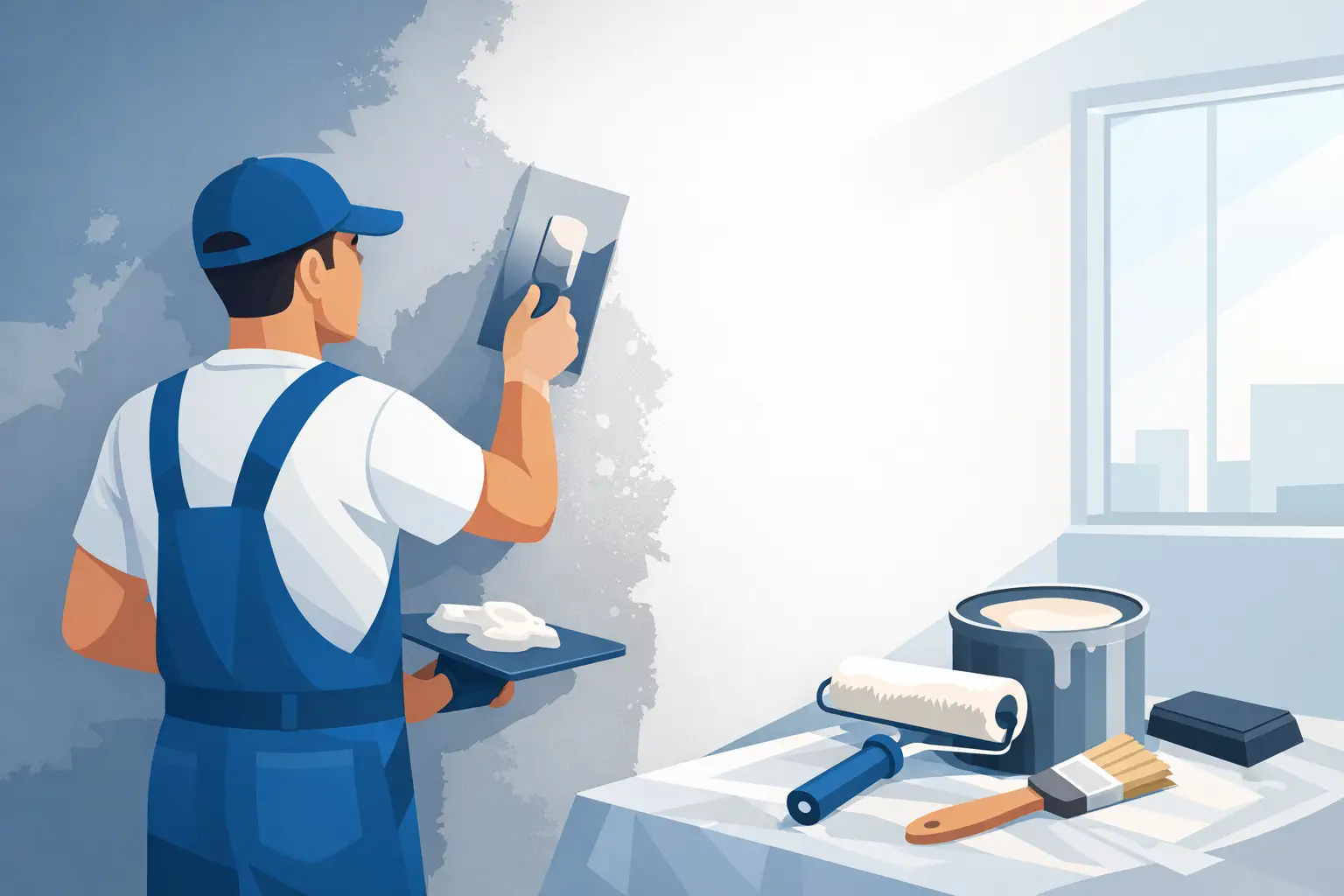
A fresh coat of paint can only look as good as the wall beneath it. If light from a window exposes cracks, ripples, patchy repairs, or rough texture, wall plastering is often the step that makes the difference between an average repaint and a clean, finished transformation. It restores the surface before paint goes on, helping rooms look brighter, neater, and properly maintained.
For homeowners, landlords, and business owners, plastering is not simply a cosmetic extra. It is practical surface preparation that protects the quality of the painting work, improves the appearance of damaged walls, and reduces the chance that old imperfections will show through a new color.
What Wall Plastering Does for Your Property
Wall plastering applies a suitable compound or plaster material to repair, level, and smooth a wall surface. Depending on the condition of the area, the work may involve filling small nail holes, rebuilding chipped sections, treating hairline cracks, or smoothing larger uneven patches left behind by old repairs, removed fixtures, or wallpaper.
The goal is a stable, even surface that is ready for primer and paint. A properly plastered wall helps paint sit more evenly, improves coverage, and creates sharper results around corners, light switches, doors, and ceilings. In spaces where appearance affects comfort or customer perception, such as living rooms, offices, reception areas, and retail shops, those details are easy to notice.
Not every wall needs full plastering. A wall with only minor marks may need localized touch-ups before painting. Walls with widespread waviness, peeling layers, repeated patchwork, or visible cracking may benefit from more extensive smoothing. The right scope depends on the wall material, the type of damage, and the finish you expect after painting.
Signs Your Walls Need Plaster Repair
Some wall damage is obvious, but other issues only become noticeable after a new paint color is applied. Darker or glossier finishes, in particular, can highlight every uneven area when light falls across the surface.
Look closely for hairline cracks around door frames and corners, dents from furniture or moving items, loose or flaking material, stains that have affected the surface, and patches that sit higher or lower than the surrounding wall. Bubbling paint, soft spots, or cracks that continue to widen deserve closer attention. These can point to moisture problems, movement in the building, or a deeper surface issue that should be addressed before cosmetic repairs begin.
For commercial properties, wall condition also affects how professional a space feels. Scuffed corridors, damaged meeting-room walls, and uneven repairs around signage can make an otherwise well-managed business look neglected. Plastering allows these areas to be corrected before a repaint, often with far less disruption than a major renovation.
Cracks Are Not All the Same
Fine, stable cracks are often surface-level and can be repaired as part of normal preparation. Larger, recurring, diagonal, or damp cracks need a more careful assessment. Simply covering them with paint may hide the problem briefly, but it will not prevent the crack from returning.
A professional contractor should inspect the area, remove loose material, use the appropriate repair method, and allow each layer to dry properly. If moisture or spalling concrete is present, the underlying issue should be handled first. Plastering over an unstable or damp surface is rarely a lasting solution.
Why Preparation Matters Before Plastering
Good results start well before the first coat of plaster is applied. Dust, grease, weak paint, wallpaper adhesive, and loose debris can prevent repair materials from bonding correctly. If these contaminants remain, a repaired area may crack, lift, or look different from the rest of the wall after painting.
A disciplined preparation process usually includes inspecting the wall, protecting floors and nearby furniture, scraping away loose paint or failed material, cleaning the surface, and opening up cracks where needed so the filler can bond securely. Deep damage may require more than one application rather than a single thick layer that shrinks or dries unevenly.
This is where professional workmanship saves time and frustration. The visible repair may be small, but the process behind it determines whether it blends into the wall or becomes a noticeable patch after the job is complete.
The Professional Wall Plastering Process
A reliable plastering service should be organized around the condition of your walls and the schedule of your property. At My Paint Job, the approach is built to manage the details from inspection through cleanup, so property owners do not have to coordinate multiple steps on their own.
First, the team assesses the affected surfaces and identifies whether the issue is minor damage, uneven previous work, moisture-related deterioration, or a wider preparation concern. This makes it possible to recommend a practical scope of work rather than applying the same solution to every wall.
Next comes protection and preparation. Furniture is moved or covered where required, floors are protected, and work areas are kept as contained as possible. For occupied homes, offices, and retail spaces, this matters just as much as the finish itself. A quality job should respect the property while it is being completed.
The repair material is then applied in controlled layers. Each layer needs sufficient drying time before sanding and refining the surface. Rushing this stage can leave shrinkage marks, soft spots, or uneven texture. Once the wall is smooth, the contractor checks it under normal lighting and prepares it for the selected paint system.
The final painting stage is what brings the work together. Primer may be needed over repaired areas to create an even base and prevent variations in sheen or absorption. Premium paint and proper application techniques then help achieve a consistent, durable finish across the entire wall.
Plastering Before Painting vs. Painting Over Damage
Painting directly over dents and cracks can appear cheaper at first, especially when a move-in deadline or office reopening is close. The trade-off is visible: paint does not level uneven surfaces, fill deep gaps properly, or strengthen weakened areas. In many cases, a new color makes the imperfections stand out more clearly.
Wall plastering adds preparation time and material cost, but it improves the final appearance and can reduce repeat touch-up work. It is especially worthwhile when you are repainting a feature wall, using a light or satin finish, preparing a property for tenants, or refreshing a client-facing commercial space.
For urgent projects, the most sensible solution may be targeted repairs in high-visibility areas rather than extensive treatment across every room. A site inspection and clear discussion of priorities help balance cost, timing, and finish quality without compromising the areas people notice most.
Choosing the Right Finish for Each Space
The desired finish should influence the plastering plan. Living rooms, bedrooms, lobbies, and meeting rooms usually benefit from a smooth, consistent surface because these areas receive regular light and close attention. Utility rooms or low-traffic storage areas may not require the same level of refinement.
Texture is another consideration. If you want a textured finish, the wall still needs to be sound and properly repaired before the texture is applied. Texture can soften the appearance of minor inconsistencies, but it should not be used to conceal loose paint, moisture damage, or serious cracking.
Your paint choice also matters. Flat paint is more forgiving of small surface imperfections, while eggshell, satin, and semi-gloss finishes reflect more light and reveal unevenness more readily. A professional color consultation can help you choose a finish that suits the room, lighting, maintenance needs, and condition of the wall.
A Better Surface Is a Better First Impression
Whether you are preparing an apartment for a new tenant, refreshing a family home, or maintaining a busy workplace, well-repaired walls set the standard for the entire space. They make paint look cleaner, colors feel more intentional, and rooms feel cared for.
Before committing to a repaint, take a moment to inspect the surfaces in daylight. Addressing cracks, dents, and uneven patches first gives your painting investment the finish it deserves, with less hassle and a result you can feel confident showing to guests, tenants, customers, or staff.