
A scuffed hallway, marked-up doors, and tired wall color can make an otherwise good rental feel neglected within minutes of a viewing. Affordable repainting for landlords is not about choosing the lowest bid or applying a quick coat before the next tenant arrives. It is about making targeted improvements that protect rental value, support faster turnovers, and give incoming tenants confidence that the property has been properly cared for.
For a landlord, paint is one of the most visible maintenance decisions in a unit. A clean, consistent finish makes rooms feel brighter, cleaner, and more move-in ready. Done well, repainting can reduce the need for larger cosmetic upgrades while helping your property compete in a crowded rental market.
Why repainting is a smart rental investment
Tenants may not notice a freshly painted wall in the same way they notice new appliances or flooring, but they quickly notice stained ceilings, peeling paint, patchy touch-ups, and nail holes. Those details shape their impression of how the property has been managed. A well-painted unit signals cleanliness, attention to detail, and a professional standard of upkeep.
Repainting also protects surfaces. Interior walls pick up moisture, fingerprints, furniture marks, and small impacts over time. Exterior-facing areas, gates, grills, and high-traffic common spaces may face even more wear. Addressing these problems early can prevent minor surface damage from becoming more costly plastering, water-damage, or repair work later.
The financial case depends on the property and local rental demand. A full repaint between every tenancy may not always be necessary, especially after a short lease with careful occupants. However, repainting high-use spaces or refreshing a unit after several years can be far less expensive than allowing visible wear to weaken your asking rent or prolong vacancy.
Affordable repainting for landlords starts with the right scope
The most reliable way to control painting costs is to define what the property actually needs before work begins. Landlords sometimes pay for a full repaint when a focused refresh would deliver the same leasing benefit. Others try to save money by repainting only the most obvious marks, then end up with mismatched walls and an unfinished appearance.
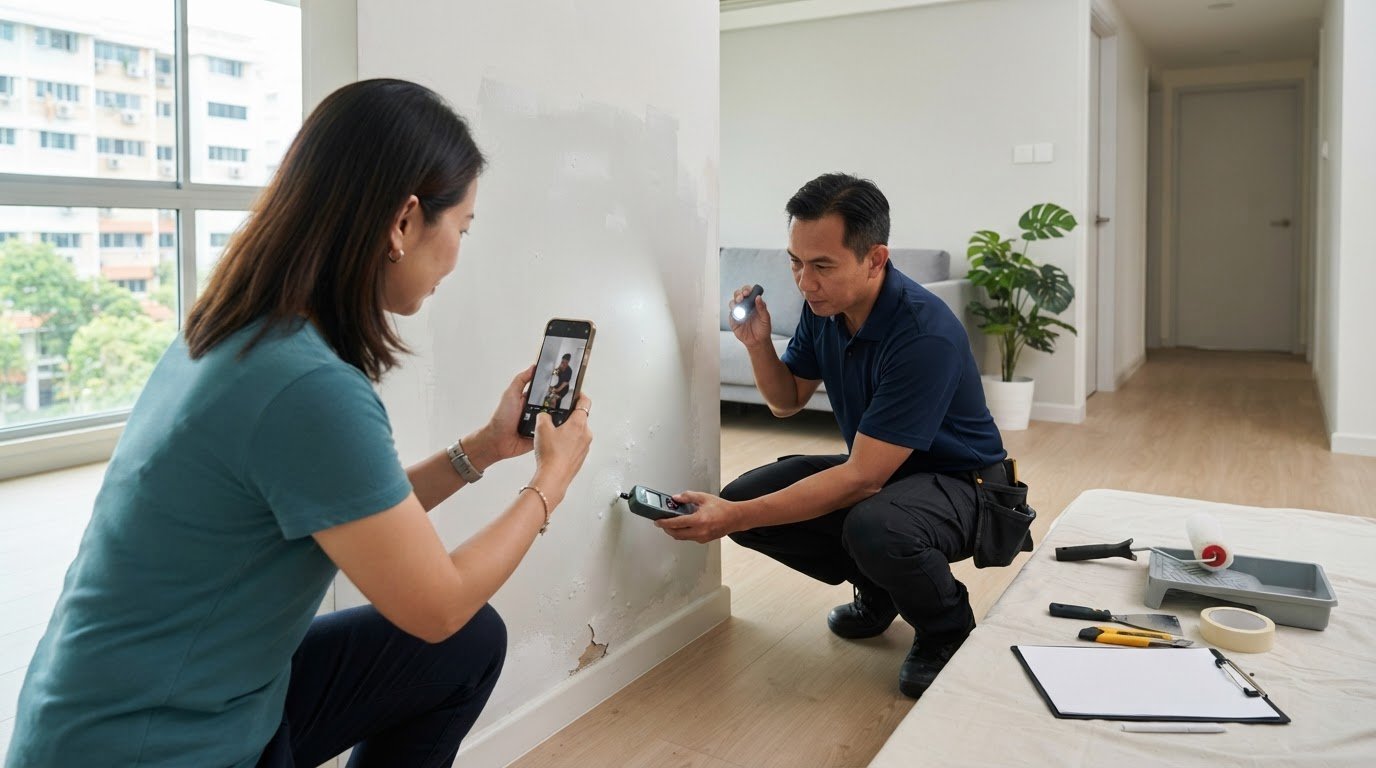
A professional inspection helps identify the right level of work. This should include checking for cracks, peeling areas, water stains, mold concerns, hollow plaster, and spalling concrete where relevant. Paint will not solve an underlying moisture issue, and applying new paint over a failing surface only delays a more expensive repair.
For a rental turnover, the scope may include walls and ceilings throughout, patching nail holes, repainting trim and doors, and refreshing metal grills or gates. For a unit that remains occupied, a more selective approach may make sense: repainting the entry, living room, hallways, bathrooms, or any wall damaged by tenant use. The best decision balances presentation, durability, and the expected rent from the property.
Repair first, then paint
Preparation is where quality is won or lost. Walls should be cleaned, loose paint removed, cracks filled, and uneven surfaces smoothed before paint is applied. If there is dampness, water staining, or surface deterioration, the cause should be investigated rather than covered up.
This step can feel like an added expense, but it helps prevent blistering, flaking, and visible patch lines after the job is complete. A properly prepared surface also allows the finish coat to look more even and last longer, reducing the frequency of future repainting.
Keep colors neutral, not bland
Rental properties benefit from colors that help tenants picture their own furniture in the space. Warm whites, soft greiges, light taupes, and subtle gray tones generally create a clean, flexible backdrop. Lighter shades can also make smaller rooms feel more open and help maximize natural light in listing photos.
That does not mean every unit must be painted stark white. Very bright white can show marks quickly and may feel harsh under cool lighting. A washable, soft neutral often provides a more forgiving finish. For premium rentals, a restrained accent wall may work well, but bold colors can narrow the appeal and increase repainting work at the next turnover.
Where landlords should spend and save
Affordable does not mean using the cheapest paint or cutting preparation time. Low-cost materials may need additional coats, cover poorly, or show scuffs sooner. The better value is usually a quality, washable paint selected for the room and surface type.
Spend where tenants see and touch the property most. Entryways, living areas, kitchens, hallways, bathrooms, doors, and trim tend to show wear first. These areas benefit from durable finishes that are easier to clean. Ceilings may need a refresh when stains or yellowing are visible, but they do not always require the same repainting schedule as walls.
Save by avoiding unnecessary color changes and keeping a record of the existing paint colors and finishes. When a tenant moves out, having the exact color reference can make touch-ups more consistent and reduce waste. Standardizing paint choices across several units can also simplify maintenance planning for landlords with multiple properties.
The finish matters as much as the color. Flat paint can hide minor wall imperfections, but it is harder to clean. Eggshell or satin finishes are often practical for living spaces because they offer a modest sheen with better washability. Kitchens and bathrooms may need paint designed to handle humidity and frequent cleaning. A contractor can recommend a finish that suits the condition and use of each room instead of applying one product everywhere.
Plan painting around vacancy and tenant needs
The ideal time to repaint is between tenancies, after cleaning and repairs but before new furniture is moved in. An empty unit gives painters access to walls, ceilings, trim, and hard-to-reach corners without slowing the work or risking damage to belongings. It also allows the property to be photographed and shown at its best.
When a unit is occupied, timing and protection become more important. Professional painters should cover floors and furniture, isolate work areas where possible, and keep the site tidy at the end of each day. Low-odor, eco-friendly paint options can be especially useful for homes with children, pets, or tenants who need to remain in the space during the project.
For urgent turnovers, speed should never mean skipping surface preparation or cleanup. An express painting service can help landlords meet a tight move-in date, but the contractor should still provide a clear scope, realistic completion schedule, and plan for correcting issues before handover.
Get a quote that makes the cost clear
A useful painting quote should do more than state a final price. It should identify the rooms or surfaces included, preparation and patching work, paint type, number of coats, protection of furniture and floors, and cleanup. If there are repairs outside the original scope, such as water damage or deteriorated concrete, those should be explained clearly before additional work proceeds.
Be cautious of vague estimates that do not specify materials or preparation. A low number can look appealing until it excludes primer, repairs, ceiling work, door painting, or disposal. Transparent pricing helps landlords compare proposals based on value rather than price alone.
It is also worth asking how the team handles final inspection. A professional contractor should review the completed work with care, check for missed spots or uneven coverage, and leave the property clean for photography, viewings, or tenant move-in. That attention to handover is what turns repainting from a maintenance task into a visible improvement.
A better finish with less landlord stress
A rental repaint should make your next decision easier, not create a new list of problems to manage. With the right scope, durable materials, proper repair work, and a disciplined schedule, repainting can be one of the most cost-effective ways to maintain a property’s appeal.
My Paint Job handles the process from surface assessment and color guidance to furniture protection, precision painting, and final cleanup. Whether you need a full turnover refresh or targeted repairs before a viewing, request a clear quote and choose a finish that helps your property look ready for its next tenant.