
A move-in date, handover inspection, store opening, or family event can turn painting into a time-sensitive job overnight. The answer is not simply to paint faster. Knowing how to plan express painting means making firm decisions early, preparing the space properly, and giving skilled painters a clear path to work without unnecessary delays.
Express painting is designed for urgent refreshes, but a fast turnaround should still look clean, even, and professionally finished. With the right scope, schedule, and preparation, homeowners and businesses can achieve a visible transformation while keeping disruption under control.
Start With the Deadline, Then Build the Scope
Every express painting project needs one non-negotiable detail: the date the property must be ready. This could be a tenant move-in, a new office opening, a property viewing, or the day furniture is delivered. Work backward from that deadline and allow time for inspection, surface preparation, painting, drying, touch-ups, and cleanup.
Be realistic about what must be completed now versus what can wait. A full interior repaint, ceiling treatment, wallpaper removal, spalling concrete repair, and gate painting may all be valuable improvements, but combining every task into a very short window can affect the schedule. If the priority is presenting a clean, refreshed home or business quickly, focus first on the rooms and surfaces people will see and use most.
For example, a landlord preparing an apartment for viewing may prioritize the living room, bedrooms, entryway, and visible water-stained areas. An office manager may need reception walls, meeting rooms, corridors, and feature walls completed before staff return. Clear priorities help painters assign the right crew size, materials, and work sequence from the start.
How to Plan Express Painting Room by Room
A room-by-room plan prevents last-minute changes that slow the job down. Walk through the property and identify the paint color, finish, condition, and intended use of each area. Take note of walls with cracks, peeling paint, stains, mold marks, drilled holes, or uneven plaster. These issues should not be hidden under a quick coat of paint. They need suitable preparation if you want the finished surface to stay attractive.
Group rooms by urgency. High-traffic and customer-facing areas usually come first, followed by bedrooms, storage areas, or spaces that can remain temporarily untouched. This approach is especially useful for commercial properties where sections of the workplace may need to stay operational during the project.
Keep the color plan simple when time is limited. Using one main neutral color across several rooms reduces decision time, simplifies material preparation, and creates a more consistent look. If you want more character, reserve a contrasting shade for one accent wall, a reception area, or a feature space. Neutral whites, warm grays, soft beige tones, and muted greens often help a property feel brighter and more spacious, but the best choice depends on lighting, existing furnishings, and the impression you want to create.
Paint finish also matters. A washable, more durable finish may be worthwhile in hallways, children’s rooms, kitchens, retail spaces, and busy offices. A flatter finish can give living areas and ceilings a softer appearance, although it may show marks more easily. A professional color consultation can help you make these choices quickly without settling for a result that feels rushed.
Schedule Preparation Before the Painters Arrive
Painting moves quickly when the work area is accessible. Before the crew arrives, confirm who will provide access, where vehicles can park, and whether building management has rules for working hours, elevator use, loading bays, or disposal. Condominiums, managed apartments, offices, and retail locations may require advance booking or contractor registration. Missing these details can cost valuable hours.
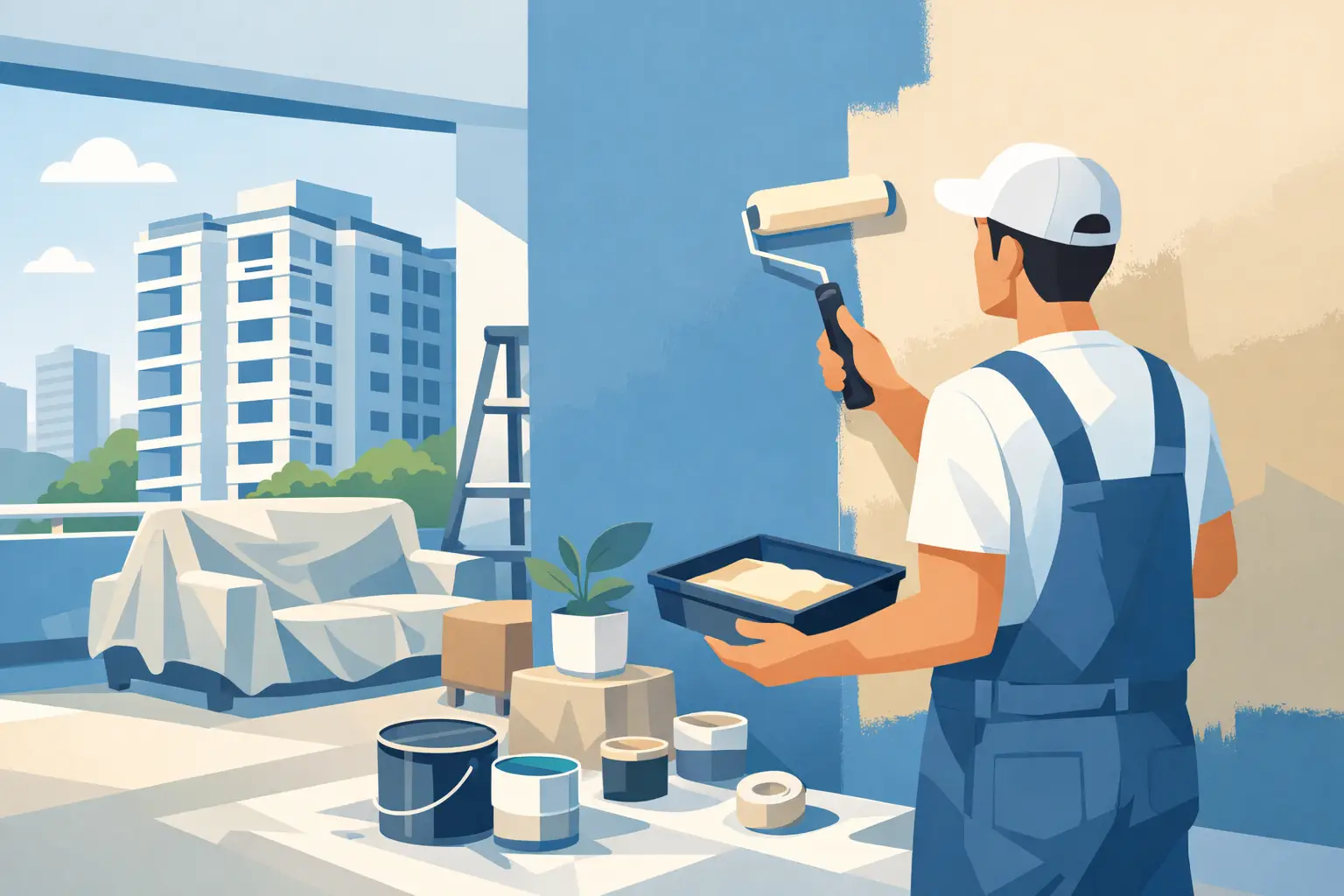
Furniture is another key consideration. Ideally, remove small items, fragile décor, loose shelving, and personal belongings before work begins. Larger furniture can usually be moved to the center of the room and protected properly. A managed painting service should handle furniture protection and practical movement, but clearing valuable or sensitive items in advance helps everyone work safely and efficiently.
Do not forget curtains, blinds, wall art, electronics, and items stored close to the walls. Inform the painting team about areas that require special care, such as built-in cabinetry, glass partitions, polished floors, or expensive fixtures. A short pre-job walkthrough is often enough to prevent avoidable misunderstandings.
If people must remain in the property, agree on how the space will be divided. In an office, painters may work after business hours or complete one zone at a time. In a home, residents may use unaffected rooms while work progresses elsewhere. The best express plan protects both the timeline and the people using the property.
Treat Surface Repairs as Part of the Timeline
Fast painting does not mean skipping surface preparation. Fresh paint can make small defects more noticeable, especially under bright lighting. Cracks, dents, loose paint, water damage, and rough patches should be assessed before the schedule is finalized.
Minor filling and sanding can often be completed within an express painting plan. More substantial repairs, such as damaged plaster or spalling concrete, may require extra treatment and drying time. This is where honest planning matters. Rushing a repair can lead to peeling, uneven texture, or a finish that fails sooner than it should.
If there are signs of moisture, active leaks, or recurring mold, address the source before repainting. Paint may improve the appearance for a short time, but it will not solve the underlying problem. A dependable contractor will explain what can be completed within the requested turnaround and what needs a separate repair stage for a lasting result.
Choose Materials That Support a Fast, Clean Finish
The paint itself affects both appearance and timing. Premium paint products generally provide better coverage, more consistent color, and a more durable finish. In many cases, good coverage can reduce the need for additional coats, although the final number of coats still depends on the existing wall color, surface condition, and chosen shade.
For occupied homes, workplaces, and retail spaces, low-odor and eco-friendly paint options can make the process more comfortable. They are particularly helpful when children, pets, customers, or staff may return soon after painting. However, ventilation, humidity, and the condition of the walls still influence drying times, so do not plan around a single fixed estimate without inspecting the space.
Confirm paint colors and finishes before materials are purchased. Late changes are one of the most common causes of delay, especially when a custom shade needs to be mixed or an additional product must be sourced. If you are undecided, ask for guidance before the project date rather than deciding while the crew is already on-site.
Coordinate the Work Sequence Carefully
Professional painters typically work from higher surfaces to lower ones and from preparation to finish. Ceilings are often addressed before walls, while trim, doors, grills, or gates may be scheduled around drying time and access requirements. Keeping the sequence organized helps avoid dust, splashes, and repeat work.
For a larger property, more than one painter may work in separate rooms at the same time. This can shorten the overall schedule, but it requires clear coordination. Rooms must be ready, colors must be confirmed, and the property should have enough space for safe movement and material storage.
Commercial projects need an additional layer of planning. Protect customer walkways, mark restricted areas, and make sure staff know where painting is taking place. If odors or noise could affect customers, consider working outside peak hours. The goal is not only to finish quickly but also to maintain a professional environment throughout the project.
Build in Time for Inspection and Touch-Ups
Do not schedule your handover, move-in, or opening at the exact moment painting is expected to end. Reserve a final window for inspection, touch-ups, and cleanup. This is when painters check for missed edges, uneven coverage, paint marks on adjacent surfaces, and areas that need one final adjustment.
Walk through the completed work in good lighting. Check corners, ceiling lines, door frames, repaired areas, and high-visibility walls. If you raised specific concerns during the initial inspection, revisit them before the crew leaves. A professional team should take pride in a clean finish and leave the space orderly, with protected areas uncovered and painting waste handled responsibly.
Get a Clear Quote Before Committing
An express project should never mean unclear pricing. Request a quote that identifies the areas to be painted, the preparation work included, paint type, number of coats where applicable, estimated completion schedule, and any services that fall outside the stated scope. This gives you a fair basis for comparing options and prevents surprises after work begins.
At My Paint Job, express painting is planned around practical priorities: skilled workmanship, careful protection, premium materials, and a schedule that respects your deadline. Whether you are refreshing a home before a move or preparing a commercial space for business, the right team can manage the details from color selection through cleanup.
A short timeline does not have to produce a short-lived result. Set the deadline, simplify the scope, prepare the property, and leave enough room for proper finishing. That is how an urgent painting job can still feel calm, controlled, and ready for the moment that matters.