
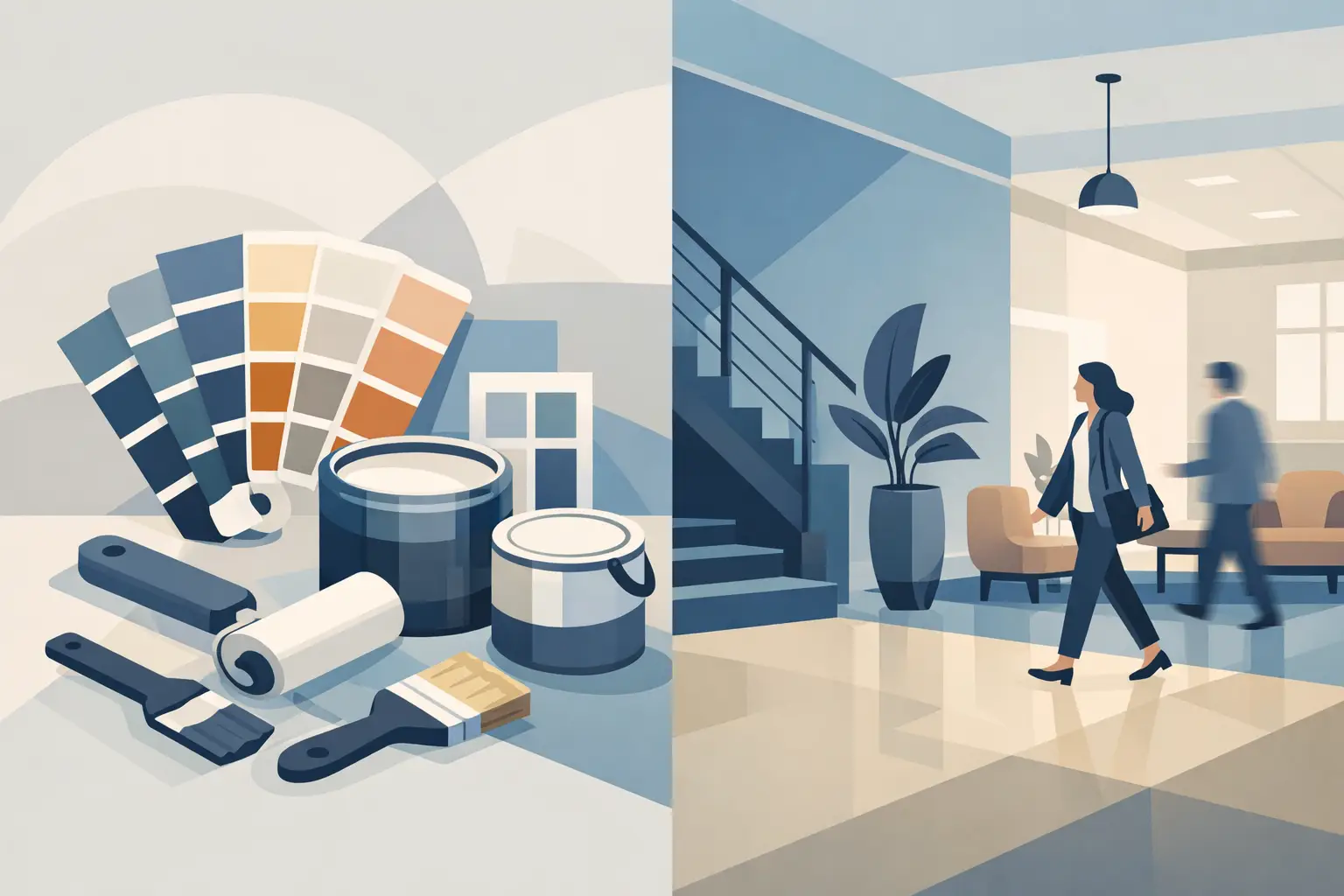
Hallway walls tell the truth about a property. They show every backpack scrape, handprint, chair bump, and hurried delivery. Choosing the best finishes for high traffic walls is not just about finding a nice color – it is about protecting the surface, reducing maintenance, and keeping your home or business looking professionally cared for between paint jobs.
For busy households, rental properties, offices, shops, and common areas, the right wall finish can make cleaning easier and help the space hold its polished appearance longer. The wrong choice may look good on day one, then quickly reveal stains, shiny rub marks, and uneven touch-ups.
What Makes a Wall Finish Suitable for Heavy Use?
A high-traffic wall needs more than ordinary coverage. It should resist scuffs, tolerate regular cleaning, and adhere properly to the wall beneath it. Durability begins with the coating itself, but it also depends on surface preparation, the chosen sheen, and applying enough paint for an even protective film.
In practical terms, a good finish should stand up to fingerprints near light switches, marks in corridors, food splashes in dining areas, and the everyday friction that happens around doors, stairways, reception areas, and retail displays. For commercial properties, it should also support a clean, professional presentation without demanding frequent disruptive repainting.
Paint sheen matters because it affects both appearance and performance. Higher-sheen paints usually form a tighter, smoother surface that is easier to wipe clean. However, sheen also reflects more light, which can draw attention to patched areas, dents, or uneven plaster. The best choice balances washability with the current condition of your walls.
Best Finishes for High Traffic Walls by Space
Washable Acrylic Paint for Most Interiors
For many homes and workplaces, premium washable acrylic paint is the most practical all-around choice. Modern acrylic formulas offer strong adhesion, good color retention, low odor options, and better resistance to repeated wiping than basic interior paints.
Look for paints described as washable, scrubbable, stain-resistant, or scuff-resistant. These products are designed to handle routine cleaning without color lifting or developing obvious shiny patches. They work particularly well in living rooms, hallways, bedrooms, office corridors, meeting rooms, and shared spaces where you want a refined finish without an overly glossy look.
A washable acrylic paint in an eggshell or satin sheen is often the sweet spot. It gives the wall a subtle finish while providing more protection than flat paint. For families with children, landlords preparing rental units, and offices with frequent visitors, this is usually a dependable starting point.
Satin Finish for Hallways, Stairwells, and Busy Rooms
Satin paint has a soft, gentle sheen that makes it easier to clean than matte or flat paint. It is a reliable choice for high-use interior areas because it resists minor scuffs and handles regular wipe-downs well.
Satin is especially suitable for hallways, entryways, stairwells, kids’ rooms, dining rooms, and office circulation areas. It has enough sheen to be practical but does not look as reflective as semi-gloss. This makes it a smart choice when walls are generally smooth but not completely flawless.
There is a trade-off. On walls with poor patching, uneven texture, or visible plaster imperfections, satin can expose the surface condition under direct lighting. Proper wall repair, sanding, and priming are essential before application. A high-quality paint will help, but it cannot hide a poorly prepared wall.
Semi-Gloss for Areas That Need Frequent Cleaning
Semi-gloss is one of the toughest standard paint sheens for interior walls. Its smoother surface repels dirt more effectively and can withstand more frequent cleaning, making it useful in spaces that receive heavy contact or occasional moisture.
Consider semi-gloss for kitchen walls, utility spaces, children’s play areas, commercial back-of-house zones, clinic corridors, and walls near food preparation or wash areas. It is also a practical option for doors, trim, frames, and other surfaces that receive constant touching.
The drawback is visibility. Semi-gloss reflects noticeable light, so roller marks, cracks, patched sections, and uneven surfaces can stand out. It is best used on well-prepared walls or targeted surfaces where cleanability is the clear priority. In a retail or office setting, semi-gloss can look sharp when applied carefully, but rushed preparation can make the finish look harsh.
Scuff-Resistant Matte for a Low-Sheen Look
Matte paint is often associated with delicate walls, but high-performance scuff-resistant matte paints have changed that. These specialty finishes provide the soft, contemporary look of low sheen while offering improved stain resistance and touch-up performance.
They are a strong option for feature walls, premium residential interiors, executive offices, and customer-facing spaces where a flat appearance suits the design. The lower reflectivity helps disguise minor wall imperfections, making matte more forgiving than satin or semi-gloss in rooms with uneven lighting.
Not every matte paint is washable, though. Standard flat paint can absorb stains and burnish when scrubbed, leaving a visible shiny spot. If you want a matte look in a busy area, choose a product specifically rated for washability or scuff resistance and avoid assuming all flat paints perform the same way.
Do Not Skip Surface Preparation
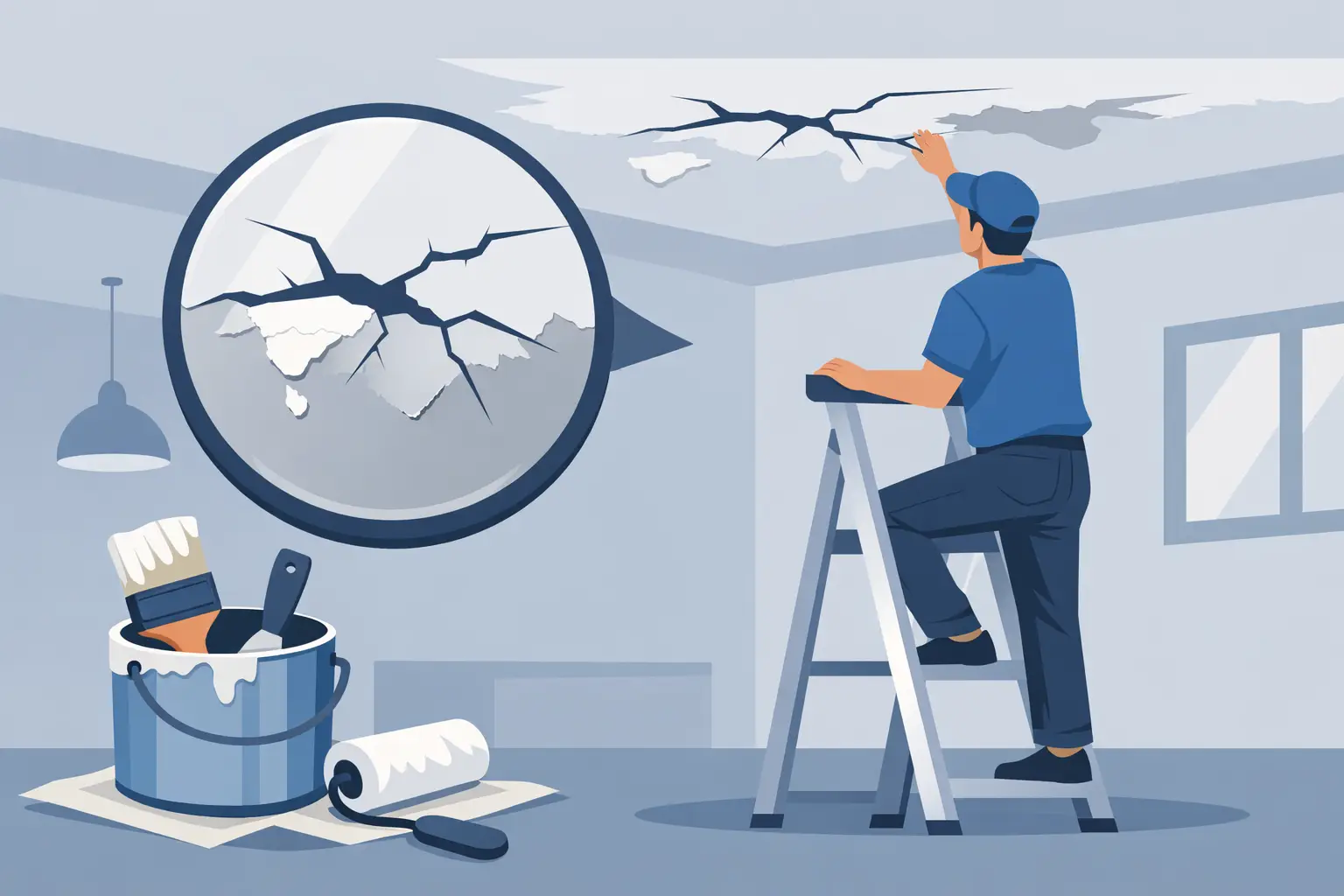
Even the most durable paint cannot compensate for loose plaster, dampness, chalky old coatings, or cracks beneath the surface. High-traffic walls are more likely to fail early when paint is applied over poor preparation.
A professional process starts with inspection. Walls may need cleaning to remove dust and grease, scraping of peeling paint, crack filling, plaster repair, sanding, and primer. Areas with water stains or persistent moisture need the underlying cause addressed before repainting. Painting over a damp wall may temporarily cover the problem, but bubbling, peeling, or discoloration can return.
Primer is particularly valuable when changing from a dark color to a light one, covering repaired sections, painting over porous plaster, or working on previously stained walls. It helps create a consistent base so the topcoat looks even and bonds securely.
For properties that experience heavy daily use, two properly applied coats are generally a better investment than trying to stretch one coat too far. Adequate coverage improves color consistency and gives the wall a more durable protective layer.
Match the Finish to How the Space Is Used
The best choice is rarely the highest-gloss option everywhere. A busy family hallway may benefit from washable satin, while a boardroom may look better with scuff-resistant matte. A restaurant service corridor may need semi-gloss for easy cleaning, while customer seating areas may call for a lower sheen that feels warmer and less reflective.
Before selecting paint, consider who touches the walls, how often they are cleaned, whether the surface has existing imperfections, and how much natural or overhead light hits it. Also think about future maintenance. A finish that allows simple spot cleaning can save significant time in a rental property, office, or retail space.
Color plays a role as well. Very light colors can show dark scuffs quickly, while very dark colors can reveal pale scratches and dust. Mid-tone neutrals and carefully selected warm grays, taupes, or muted greens often hide everyday marks more gracefully while still keeping the room bright and welcoming.
Get a Durable Result Without the Disruption
A lasting paint finish is a combination of the right product, thoughtful sheen selection, careful preparation, and precise application. This is where a managed painting service makes a real difference. Instead of guessing which paint will suit a particular wall, property owners can receive recommendations based on the room, wall condition, lighting, and expected level of use.
My Paint Job handles the details from surface inspection and furniture protection to repairs, painting, and cleanup. For occupied homes and operating businesses, the goal is simple: deliver a clean, durable finish with minimal disruption and no unnecessary surprises.
If your walls are already showing scuffs, faded patches, or damaged paint, a fresh coat should do more than improve the color. Choose a finish that makes everyday life easier to manage and keeps the space looking cared for long after the painters have packed up.
Pingback: Office Color Trends That Work Harder in 2026 - My Paint Job Singapore
Pingback: Home Wall Colour Trends That Feel Right in 2026 - My Paint Job Singapore
Pingback: How to Prepare Rooms Before Painting Properly - My Paint Job Singapore
Pingback: Matte Versus Satin Paint: Which Finish Fits? - My Paint Job Singapore
Pingback: A Guide to Retail Shop Painting That Works - My Paint Job Singapore
Pingback: Nippon Vinilex Review for Singapore Homes - My Paint Job Singapore