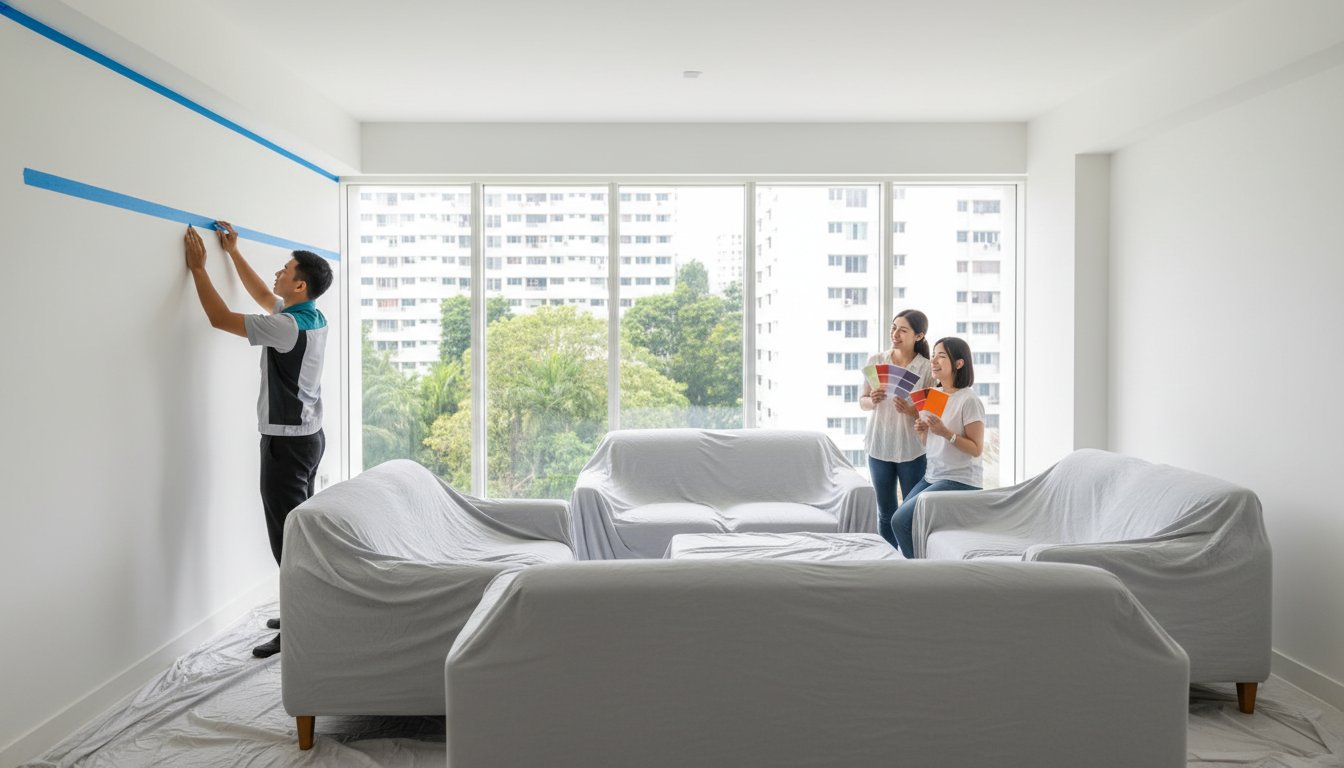

A retail repaint is not simply a maintenance task. It is a visible business decision that shapes how customers feel when they enter, browse, and return. This guide to retail shop painting helps store owners and managers plan a polished upgrade that supports their brand while keeping disruption under control.
For a boutique, salon, café, clinic, or neighborhood retailer, worn walls and scuffed fixtures can quietly undermine an otherwise well-run space. The right paintwork creates a cleaner, more considered setting for products, staff, and customers. The key is balancing visual impact with durability, budget, and a practical schedule.
Start With the Customer Experience
Before selecting a paint color, look at the shop through a customer’s eyes. What do they see from the entrance? Which areas receive the most attention, and which ones show wear first? The checkout counter, fitting rooms, feature walls, window displays, corridors, and waiting areas each serve a different purpose.
Paint should support the way customers move through the space. A bright, neutral palette can make a compact shop feel more open. Deeper colors can add definition behind merchandise displays or at a service counter. Warm tones may create a welcoming, personal atmosphere, while cooler shades can feel clean, modern, and calm.
There is no universal best color for retail. A children’s store may benefit from controlled pops of color, while a premium skincare shop may need soft neutrals that let packaging and displays stand out. The right choice depends on your products, lighting, customer profile, and existing branding.
It also helps to consider what the paint should not do. Strong colors across every wall can compete with merchandise. Very dark finishes may look sophisticated but can make a small space feel enclosed if natural light is limited. White walls can appear crisp, but the wrong shade may look harsh under bright LEDs or show dirt quickly near high-touch areas.
Guide Retail Shop Painting: Plan Before Work Begins
The best retail painting projects are planned around operations, not squeezed into them. A contractor should inspect the space before quoting so the scope reflects real conditions, including cracks, peeling paint, stains, damaged plaster, water marks, and surfaces that need special preparation.
Preparation determines how well the finished paint will look and last. Painting over greasy walls, loose coatings, or damp areas may produce a quick visual change, but problems can return sooner than expected. In a retail environment, this can mean another closure or another round of work when the shop should be focused on sales.
A proper work plan generally includes furniture and display protection, surface cleaning, patching small defects, sanding uneven areas, applying primer where needed, painting, touch-ups, and thorough cleanup. If shelves, fixtures, or signage need to be moved, decide in advance who will handle them and where items will be stored safely.
For larger projects, ask for the work to be divided into zones. This may allow a shop to keep part of its floor open, especially when back-of-house rooms, stock areas, or separate sections can be completed in stages. It is not always possible, but it is worth assessing before deciding to close the entire space.
Choose Paint for Wear, Cleaning, and Finish
Retail walls face fingerprints, bag marks, delivery scuffs, cleaning products, and frequent contact from staff and customers. This is why paint selection should go beyond color cards. A less expensive product may reduce the initial quote, but it can cost more over time if it marks easily or requires early repainting.
For most shop interiors, a washable, low-odor paint is a sensible option. Low-VOC choices are especially useful when the store needs to reopen soon after work is complete or when the space has limited ventilation. They help reduce lingering paint odor and create a more comfortable environment for employees and visitors.
Finish matters as much as paint quality. Matte and eggshell finishes can give walls a refined appearance and hide minor imperfections better than glossier options. However, areas with heavy contact may need a more washable finish. Semi-gloss is often suitable for trims, doors, and certain fixtures because it is easier to wipe down, although it will reveal surface flaws if preparation is poor.
Do not overlook metal grills, gates, wooden counters, cabinetry, and feature displays. These surfaces may require different coatings, primers, or varnishes than standard interior walls. A coordinated finish across these details can make an older shop feel intentionally refreshed rather than partly repainted.
Schedule Around Trading Hours
For most retailers, downtime is the largest concern. A painting contractor should be willing to work around store hours where practical, whether that means evenings, weekends, phased work, or an express turnaround for a tight reopening date.
The fastest schedule is not automatically the best schedule. Paint requires appropriate drying time, and repairs may need additional attention before final coats can be applied. Rushing surface preparation can leave roller marks, uneven coverage, or visible patches that affect the professional appearance of the store.
A realistic schedule takes into account the shop size, ceiling height, condition of existing surfaces, number of colors, accessibility, and whether repairs are needed. A straightforward repaint of a small retail unit may move quickly. A space with damaged walls, water staining, extensive fixtures, or detailed feature elements will require more time.
Clear communication makes a major difference. Before work begins, confirm access times, security procedures, loading arrangements, electrical availability, protection for stock, and the time the shop must be ready for customers. These details prevent avoidable delays and help keep the project organized from the first day through final inspection.
Make Brand Colors Work in a Real Space
Brand colors often look different on a screen, printed brochure, or small sample card than they do across a full wall. Lighting changes everything. Daylight, warm bulbs, cool LEDs, and track lighting can alter how a color appears throughout the day.
Test sample patches on the actual surfaces whenever possible. View them from the entrance, checkout area, and display zones. Check the colors in morning light and under the shop’s regular evening lighting. This simple step can prevent a costly mismatch between the intended brand mood and the finished result.
If your brand uses a bold signature color, consider reserving it for a feature wall, a display backdrop, or the area behind the counter. Pair it with quieter supporting colors so it remains memorable without dominating the entire space. In shops with frequent seasonal campaigns, neutral main walls also make it easier to update visual merchandising without repainting every few months.
Protect the Details Customers Notice
Customers may not comment on freshly painted walls, but they will notice a poor finish. Drips on trim, paint on fixtures, rough patches around repairs, and inconsistent cut-in lines can make a shop feel neglected. Clean edges and even coverage signal care, which reinforces confidence in the products or services you sell.
A final walkthrough should cover more than the wall color. Check corners, ceilings, door frames, switches, display edges, and areas near the floor. Look at the shop from normal customer viewing distances, then inspect close-up areas around counters and entrances. Any touch-ups should be completed before furniture and stock are fully returned.
At My Paint Job, the focus is on managing the full process, from surface assessment and color guidance to careful protection, professional application, and cleanup. That approach helps retail operators avoid the common stress of coordinating multiple tasks while trying to run a business.
Know When Painting Is Not the Only Repair Needed
Paint can refresh a shop dramatically, but it cannot permanently solve underlying defects. Bubbling paint, recurring stains, crumbling concrete, deep cracks, or damp patches may indicate issues that need repair before painting starts. Covering them too soon may produce a short-lived improvement and waste part of the investment.
Ask for a clear explanation of any repair recommendations. Minor wall patching may be enough in some cases. In others, plaster repair, spalling concrete treatment, waterproofing investigation, or removal of failing wallpaper may be necessary. The right solution depends on the cause and condition of the surface, not just how it looks on the day of inspection.
A well-painted retail space gives customers one more reason to stay, browse, and feel confident in your business. Choose colors with purpose, prepare surfaces properly, and schedule the work with care. When the final coat dries, your shop should feel ready to welcome people back with the same standard of professionalism you expect from every part of your operation.