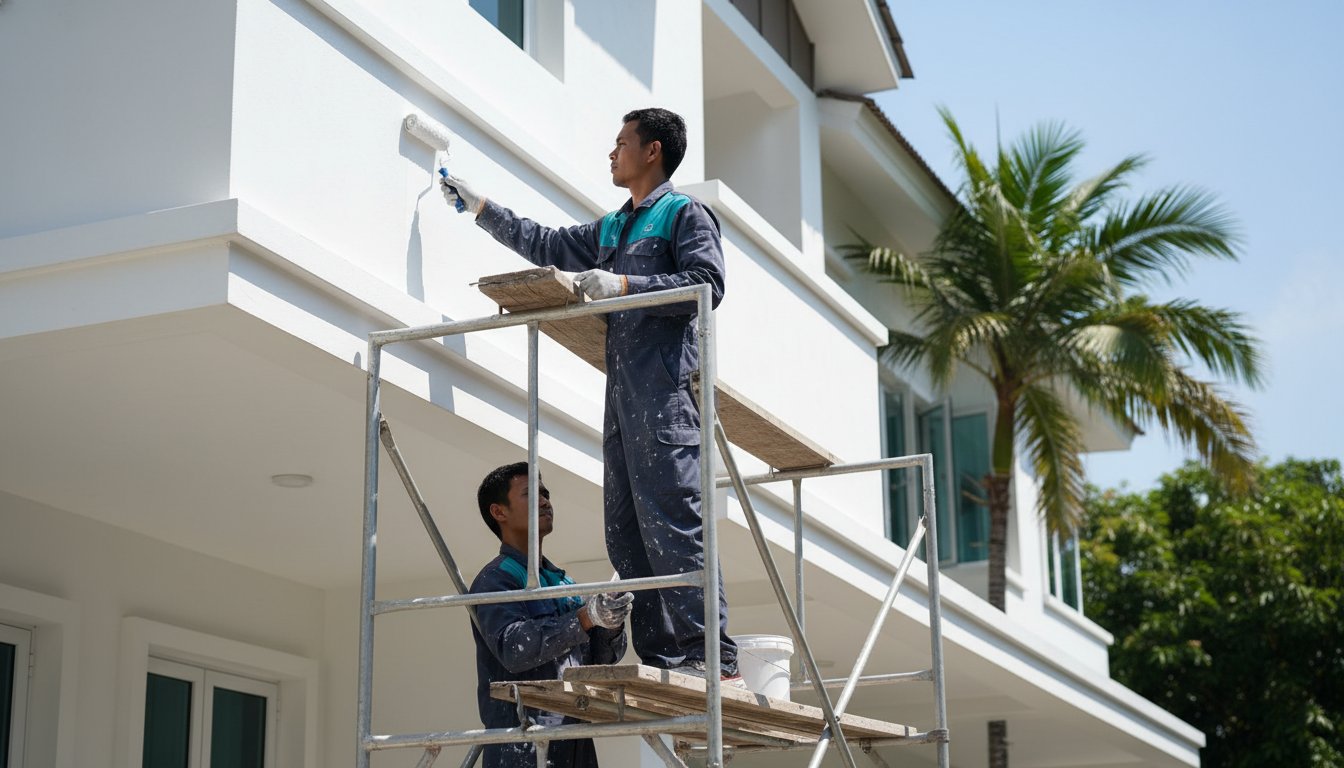

A fresh coat of paint can transform a room, but one overlooked drip can leave a lasting mark on hardwood, tile, carpet, or vinyl. To protect floors during painting, the preparation must be as careful as the painting itself. The right materials, secure floor coverage, and clean working habits prevent avoidable damage while keeping your home, office, or retail space ready for a polished finish.
Professional painters do not treat floor protection as an optional extra. It is part of a well-managed painting process, especially when working around furnished rooms, high-traffic areas, expensive flooring, or a tight completion schedule. Here is how to prepare properly and what to expect from a quality painting team.
Start With the Right Floor Covering
Not every floor needs the same type of protection. A thin plastic sheet may be enough for a quick touch-up on a bare concrete surface, but it is not the best choice for a full-room repaint with ladders, paint trays, furniture movement, and repeated foot traffic.
Canvas drop cloths are a dependable choice for most interior jobs. They absorb small splashes, stay in place better than lightweight plastic, and provide a more secure walking surface. They are particularly useful on hardwood, laminate, tile, and vinyl flooring. Heavy-duty canvas also offers some cushioning if tools or hardware are accidentally dropped.
Plastic sheeting has a role, particularly when shielding large areas from dust, paint mist, or moisture. It is commonly placed beneath canvas drop cloths when extra protection is needed. However, plastic alone can become slippery and may allow spilled paint to pool rather than absorb. It should be taped down carefully at the edges and never left loose in walkways.
For carpeted rooms, use thick plastic or purpose-made carpet film, then add drop cloths in active work zones. Carpet fibers can hold paint deep below the surface, making even a small spill difficult to remove completely. In commercial spaces, protecting carpet is especially important because a damaged section may be costly and disruptive to replace.
How to Protect Floors During Painting at the Edges
The perimeter of the room is where many paint accidents happen. Cutting in along baseboards, moving a roller close to a wall, and painting doors or trim all create opportunities for splatters and drips near the floor.
Floor coverings should run all the way to the wall, not stop several inches short. Where baseboards are being painted, painters should tuck a protective shield or taped paper neatly beneath the edge. This creates a barrier between the work area and the floor without leaving gaps for paint to seep through.
Painter’s tape is useful, but it must be used correctly. Apply it to clean, dry surfaces and press down the edge firmly to reduce paint bleed. Avoid using aggressive tape on delicate finishes, older hardwood, or freshly installed flooring, as adhesive residue or lifting can occur. When in doubt, test a small hidden area first.
For tile and natural stone, pay attention to grout lines and textured surfaces. Paint can settle into small crevices, and wiping it away later may take more effort than expected. A properly secured layer of paper or drop cloth is far safer than relying on quick cleanup.
Do Not Forget Doorways and Transitions
Paint does not stay only inside the room being painted. Shoes, ladders, and equipment can transfer dust or wet paint into hallways, elevators, entryways, and adjacent rooms. Cover these travel paths before work begins.
A professional setup usually includes protected walkways from the entrance to the work area. This is particularly valuable in occupied homes and active offices, where people may still need to move through the property. Covering transitions also reduces the risk of dragging grit across wood or vinyl floors and causing scratches.
Move Furniture Before Covering the Floor
Trying to paint around furniture often leads to incomplete coverage, accidental bumps, and drips on exposed flooring. When possible, move furniture out of the room. If an item is too large or difficult to relocate, bring it to the center of the room, cover it with clean protective material, and leave adequate space around the walls for painters to work safely.
Furniture pads and plastic coverings protect belongings, but floor protection still needs to be placed underneath. Never drag heavy sofas, cabinets, or desks across uncovered hardwood or laminate. Even small particles caught under a furniture leg can create visible scratches.
For occupied homes, careful furniture movement saves time and reduces stress. For offices and retail spaces, it helps the project stay organized while protecting equipment, displays, and customer-facing areas. A reliable painting contractor should discuss this part of the plan before the job starts, rather than making decisions after paint cans are open.
Choose Safe Materials for the Work Area
The best way to protect floors depends on the painting method and the condition of the space. Brush and roller work creates localized drips and splatter, while spray painting requires broader containment because fine paint particles can travel farther than expected.
When spraying cabinets, doors, ceilings, or large commercial surfaces, floors should be fully covered and surrounding areas sealed with appropriate masking materials. Ventilation, air movement, and the proximity of finished surfaces all affect how much containment is necessary. A rushed setup can leave a fine layer of overspray on flooring, glass, fixtures, and furniture.
Low-odor and eco-friendly paints can make interior projects more comfortable, but they are still paint. They can stain porous materials and may be difficult to remove once dry. Protection should never be reduced simply because a product is marketed as low VOC or easy to clean.
Keep the Worksite Clean as Painting Progresses
Floor protection works best when paired with disciplined work habits. Paint trays should sit on a stable surface, cans should be closed when not in use, and tools should be kept within the protected zone. A roller extension pole left on an uncovered floor can transfer paint from the roller frame or wet tray liner.
Professional painters check their drop cloths throughout the day. If a covering becomes saturated, torn, or bunched up, it should be replaced or repositioned immediately. Loose drop cloths are not only less effective but can also become a tripping hazard.
Spills should be handled at once. Water-based paint is usually easiest to remove while still wet, using a damp cloth and gentle cleaning method suited to the flooring material. Do not scrub aggressively, especially on wood, laminate, or luxury vinyl, as abrasion can damage the finish. Oil-based paint, coatings, and varnishes may require a different approach, so it is better to address the spill promptly rather than experiment with harsh solvents.
Remove Protection Carefully After the Paint Dries
The cleanup stage matters just as much as setup. Pulling up tape too quickly can disturb fresh paint along trim or baseboards. Removing plastic sheeting carelessly can shake loose dried flakes, dust, or wet residue onto an otherwise clean floor.
Work from the cleanest area toward the exit. Fold drop cloths inward so any paint debris remains contained, and inspect the edges of the room before moving furniture back. Check under radiators, behind doors, near baseboards, and around furniture legs, as these are common places for overlooked splatters.
A final floor inspection should include more than visible paint. Look for scuffs from ladders, tape residue, dust buildup, and small debris that could scratch flooring when furniture is returned. This attention to detail is what separates a quick paint job from a complete, professionally managed service.
When Professional Protection Is Worth It
DIY floor protection can work for a small accent wall or minor repair, provided the room is cleared and the right materials are used. For whole-home painting, ceiling work, spray applications, commercial properties, or rooms with premium flooring, professional preparation is usually the safer choice.
At My Paint Job, floor and furniture protection are handled as part of a careful end-to-end process, from site inspection through cleanup. The goal is not simply to leave newly painted walls behind. It is to leave your space clean, protected, and ready to enjoy with minimal disruption.
Before the first brush touches the wall, take a moment to look down. Protecting the floor properly is one of the simplest ways to make sure your painting project delivers the transformation you wanted, without creating a costly problem underfoot.