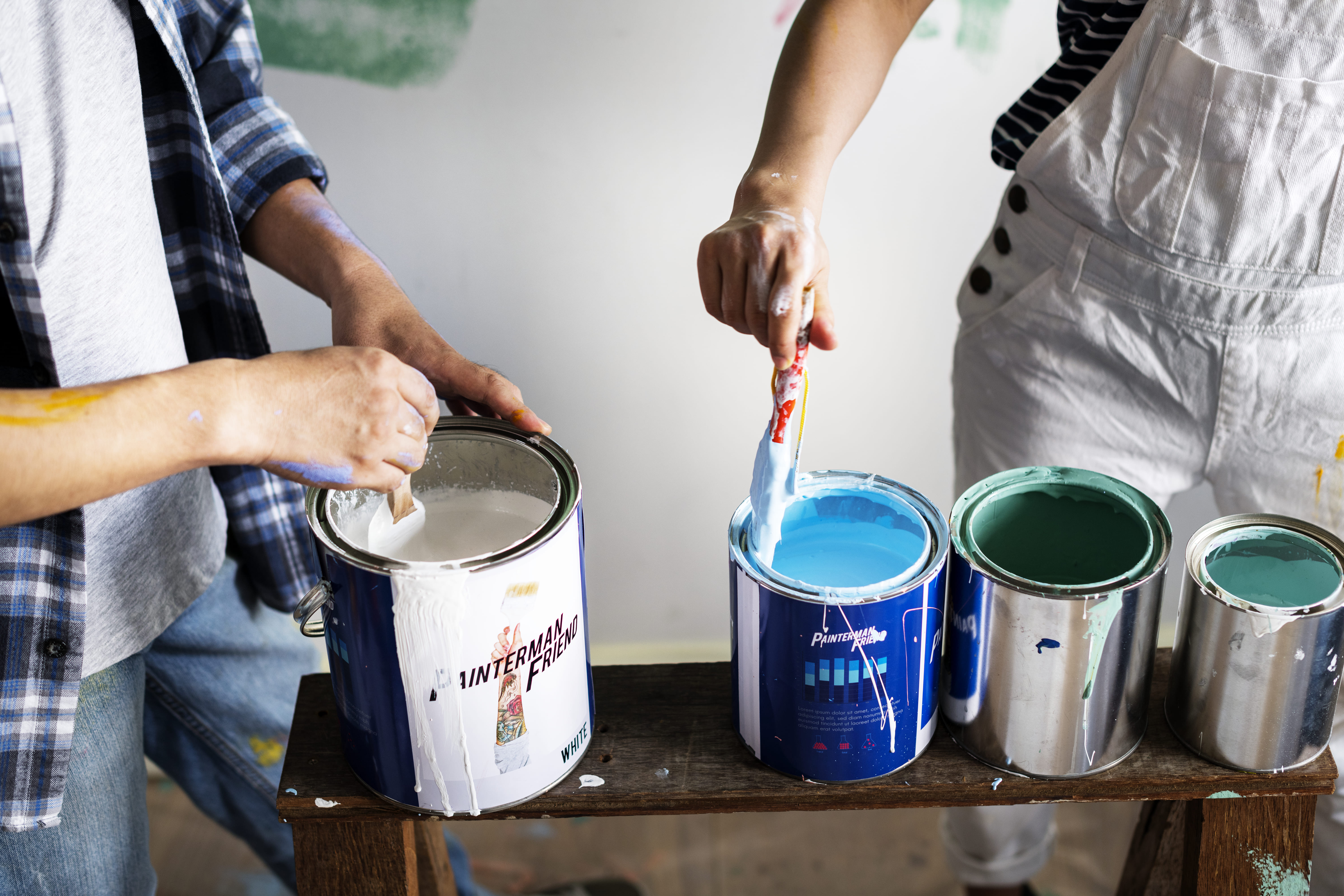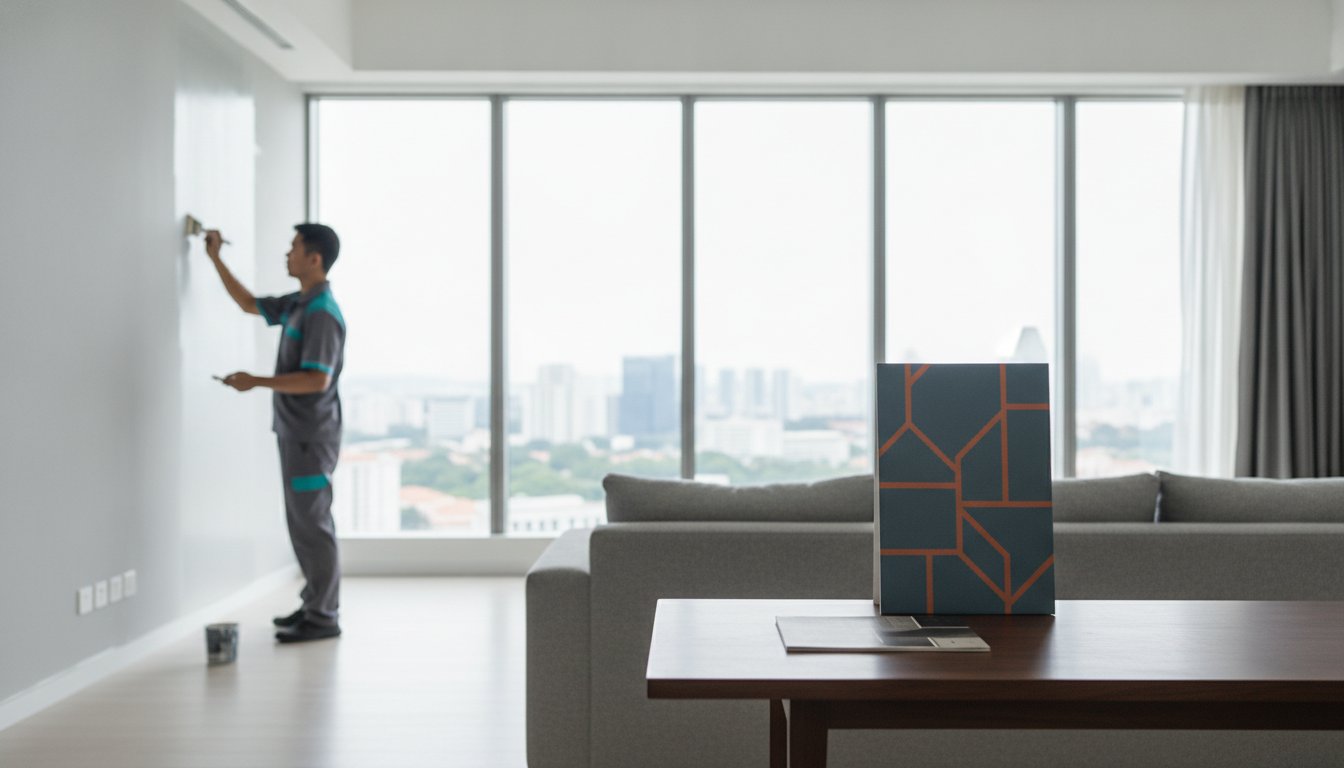

A living room can look tired long before the furniture wears out. Scuffed walls, dated patterns, stains near switches, or a color that no longer suits the light can change how the entire space feels. When weighing interior painting vs wallpaper, the right answer depends on more than appearance. It comes down to the condition of your walls, how you use the room, your maintenance expectations, and how soon you may want a change.
For homeowners, tenants, landlords, and business owners, both options can create a polished result. The key is choosing a finish that looks good on day one and continues to work for your lifestyle, property, and budget.
Interior Painting vs Wallpaper: The Main Difference
Paint creates a clean, flexible surface with color and sheen as its primary design tools. Wallpaper adds pattern, texture, and visual detail that paint alone may not achieve. Neither is automatically the better investment. A calm, modern condo may benefit from a soft washable paint finish, while a feature wall behind a reception desk or bed may look more distinctive with well-installed wallpaper.
Painting is usually the more versatile choice for full-room makeovers. It can brighten dark spaces, make compact rooms feel more open, and give a property a fresh, move-in-ready appearance. With the right surface preparation, quality paint also provides an even finish that is easy to refresh later.
Wallpaper is more decorative by nature. It can introduce a linen texture, botanical print, geometric design, or subtle metallic effect without filling a room with extra furniture or accessories. However, it requires careful installation and a sound wall surface. Small flaws, moisture issues, or poorly prepared walls can show through or affect adhesion over time.
When Interior Painting Is the Better Choice
Interior painting is often the practical choice for people who want a reliable transformation with manageable upkeep. It works well across living rooms, bedrooms, hallways, offices, retail spaces, and rental properties because colors can be updated without removing an existing wall covering.
It makes future changes easier
A new paint color is generally simpler to apply than removing wallpaper, repairing adhesive residue, priming the walls, and then repainting. This matters for landlords preparing a unit between tenants, homeowners planning to sell, and businesses updating their branding or layout.
Neutral shades can also make a property more broadly appealing, while a carefully selected accent color can give a room personality without making a permanent design commitment. A professional color consultation helps narrow the choices based on natural light, flooring, furnishings, and the mood you want to create.
It handles everyday wear more simply
High-touch areas need finishes that can be cleaned and maintained without much trouble. Modern washable paints are well suited to corridors, family areas, children’s rooms, and offices where walls may collect fingerprints or light scuffs. Kitchens and bathrooms also benefit from paint selected for moisture resistance and cleanability.
That does not mean painted walls are maintenance-free. Low-quality paint, rushed application, or skipped prep work can lead to uneven coverage, peeling, and visible roller marks. Proper plastering, patching, sanding, priming, and sufficient drying time are what give a painted surface its smooth, durable result.
It is often more cost-effective for larger areas
For an entire apartment, home, or office, painting commonly delivers a significant visual change at a more predictable price. Costs depend on the condition of the walls, the number of colors, ceiling height, furniture protection needs, and whether repairs are required. Still, paint usually offers more coverage per dollar than premium wallpaper.
For a professional result, the process should include a site assessment, protection for floors and furnishings, surface repair, careful application, and cleanup. That preparation is not an optional extra. It is what helps the new color look crisp rather than temporary.
When Wallpaper Is Worth Considering
Wallpaper is a strong option when design impact is the priority and the installation area is controlled. Rather than covering every wall, many property owners use it selectively. A feature wall can make a bedroom feel more considered, give a dining space a focal point, or add character to a boutique, salon, or reception area.
It delivers pattern and texture that paint cannot fully copy
Paint techniques can create depth, but wallpaper offers a wider range of consistent visual effects. Grasscloth-inspired textures, murals, fine stripes, and layered patterns can create a tailored look with less reliance on artwork or décor. In commercial settings, wallpaper can help define a customer-facing zone and support the atmosphere of the brand.
The trade-off is that bold designs can date more quickly than a well-chosen paint color. A large, dramatic pattern that looks striking now may feel limiting after a few years. If you enjoy changing your interior regularly, consider wallpaper for a smaller focal area rather than an entire room.
It needs the right wall and the right environment
Wallpaper requires clean, dry, stable surfaces. Walls with cracks, flaking paint, water stains, or uneven plaster should be repaired before installation. Moisture is especially important to address. If a wall has an unresolved leak or persistent dampness, wallpaper may bubble, lift at the seams, or develop staining.
This is why an inspection matters before making a decision. A wall that appears ready at first glance may need patching, plastering, or moisture-related repairs before either paint or wallpaper can perform properly.
Removal can add time and cost later
Wallpaper removal is often the part people underestimate. Older wallpaper may come away in strips, but it can also leave adhesive behind or pull at the wall surface. The wall may then need repair and priming before it is ready for paint. This does not make wallpaper a poor choice, but it should be included in the long-term cost of ownership.
Compare Cost, Durability, and Maintenance
The practical decision is rarely just paint versus paper. It is about the total project: preparation, materials, installation, upkeep, and eventual updating.
Paint is generally easier to touch up, especially when you keep a record of the paint brand, color, and finish. It is a sensible option for spaces that experience regular contact or need periodic refreshes. Better paint products can also offer improved coverage, stain resistance, and low-odor or eco-friendly formulations.
Wallpaper can be durable when it is professionally installed on properly prepared walls. Some washable vinyl options suit busier spaces, but seams and edges still need care. Damage to a painted wall can often be patched and repainted locally. Damage to patterned wallpaper can be more difficult to disguise unless you have matching material available.
For many properties, a mixed approach offers the best value. Use paint for the majority of the interior and reserve wallpaper for one feature wall where it has the greatest impact. This keeps the space flexible while giving it a more custom appearance.
How to Choose the Right Finish for Each Room
Start with how the room is used. A child’s bedroom, entryway, busy office corridor, or rental unit usually benefits from a durable painted finish that is straightforward to clean and refresh. A master bedroom, formal dining area, meeting room, or reception backdrop may be a better place for wallpaper because the walls receive less daily wear and the design can be appreciated at close range.
Next, look at the wall condition. If walls are uneven, cracked, or affected by previous adhesive, surface work should come before the finish decision. Paint can be forgiving only after proper patching and sanding. Wallpaper is even less forgiving, as it can highlight surface imperfections and fail where the wall is not stable.
Finally, consider your timeline. Painting can be completed efficiently when the scope is clear and the preparation is handled professionally. Wallpaper installation may take longer when precise pattern matching, wall repairs, or removal of existing coverings are involved. For occupied homes and operating businesses, scheduling should include drying time, ventilation, furniture movement, and a plan to minimize disruption.
Get the Finish Right From the Start
The best result is not simply a beautiful color or a fashionable pattern. It is a finish that suits the room, is applied to a properly prepared surface, and remains easy to live with. My Paint Job manages the details from inspection and color selection to furniture protection, surface preparation, application, and cleanup, so you do not have to coordinate multiple steps yourself.
If your walls need a fresh, versatile update, painting is usually the dependable choice. If one area needs more texture or visual character, wallpaper can be an excellent finishing touch. Before committing, request a clear assessment and quote based on your wall condition, desired look, and schedule. A well-prepared surface gives either option the lasting, polished appearance your property deserves.