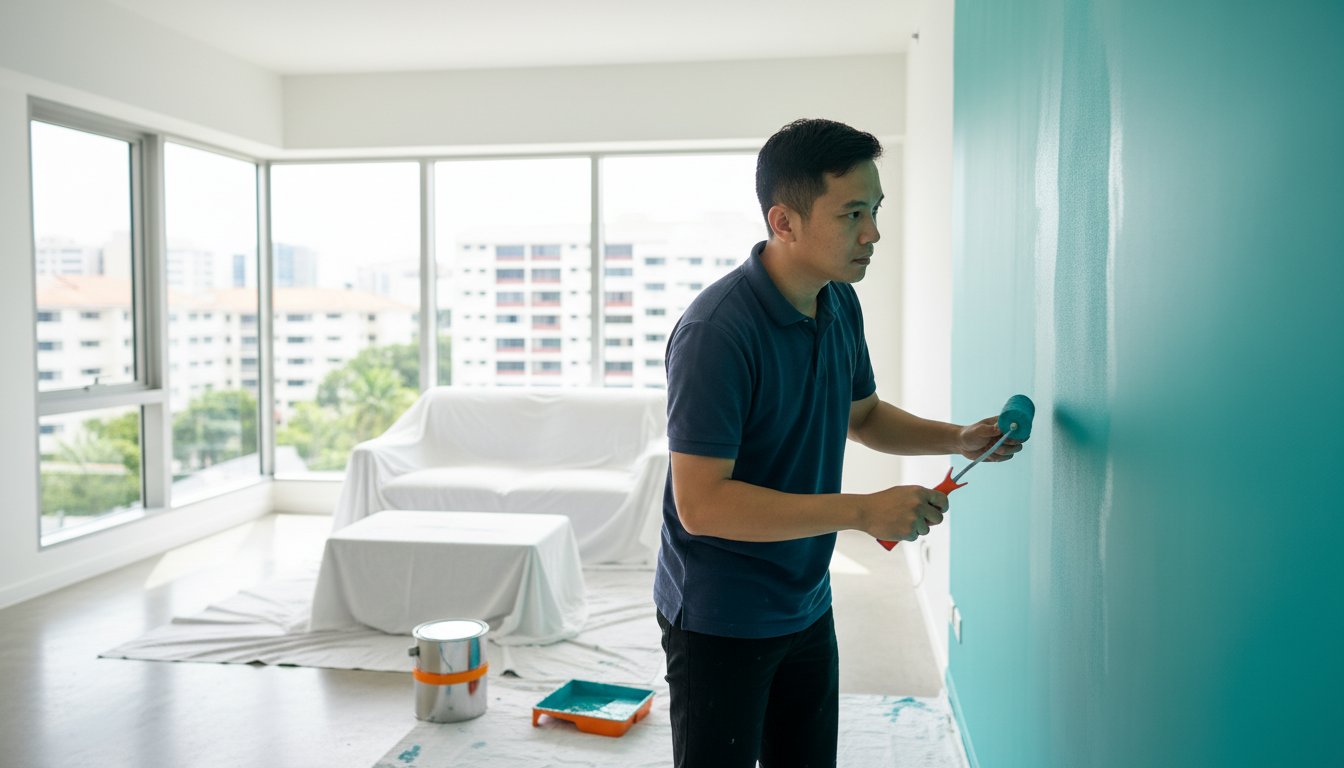

A fresh coat of paint should still look clean and well-bonded long after the crew has packed up. That is why a paint warranty matters. It turns a contractor’s confidence in their workmanship into a clear commitment, giving homeowners and property managers a practical path forward if covered problems appear.
But not every paint warranty offers the same protection. Some cover workmanship only, while others refer to a paint manufacturer’s product warranty. Some cover peeling and blistering, but not stains, impact marks, water damage, or normal fading. The value is not just in the number of years stated on a quote. It is in knowing exactly what is covered, what is excluded, and whether the painting process supports the promise.
What a Paint Warranty Usually Covers
A professional painting warranty most commonly covers defects caused by the contractor’s workmanship. If paint peels prematurely because surfaces were not cleaned, patched, primed, or applied correctly, that is the type of issue a workmanship warranty is designed to address.
Coverage may include premature peeling, flaking, blistering, cracking, or poor adhesion. In some cases, it can also apply to visible defects such as missed areas, uneven coverage, drips, or an inconsistent finish identified shortly after completion. The precise terms should be written down rather than assumed during a verbal discussion.
A paint manufacturer’s warranty is different. It generally relates to the paint product itself, provided it was stored, prepared, applied, and maintained according to the manufacturer’s instructions. If a product is defective, the manufacturer may replace the paint or contribute toward a remedy. That does not automatically mean it covers labor, furniture moving, access equipment, or the full cost of repainting.
For customers, the most useful arrangement is a contractor who stands behind their application work and uses reputable paint systems suited to the surface and environment. Quality materials matter, but correct preparation is often what determines whether a finish lasts.
Why Surface Preparation Determines Warranty Value
Paint is only as reliable as the surface beneath it. A wall that looks acceptable at first glance may have moisture intrusion, powdery old paint, hairline cracks, chalking, mold growth, or loose plaster. Painting over those conditions can produce an attractive short-term result, then fail when humidity, heat, or everyday use exposes the underlying problem.
This is especially relevant in humid climates and on exterior surfaces exposed to strong rain and sun. Interior areas such as bathrooms, kitchens, balconies, and walls near air-conditioning condensation also need closer inspection. A warranty cannot reasonably cover a coating failure caused by an unresolved leak behind the wall.
A dependable contractor should inspect before painting and explain any repairs that need to happen first. That may involve wall plastering, spalling concrete repair, mold treatment, crack repair, waterproofing coordination, or removal of failed paint layers. These steps may add to the project scope, but skipping them can make a low initial quote far more expensive later.
Preparation should also include protecting floors, furnishings, fixtures, and adjacent finishes. Careful masking and furniture handling do not just keep the site tidy. They allow painters to work accurately around edges, switches, cabinetry, grills, and trim, producing the polished result customers expect.
What a Paint Warranty Does Not Usually Cover
A fair warranty has limits. Painting contractors cannot control building movement, plumbing leaks, roof failures, tenant damage, poor ventilation, or changes made after the job is completed. Clear exclusions protect both the customer and the contractor by setting realistic expectations from the start.
Normal wear is rarely covered. High-touch surfaces around doors, corridors, stairways, and retail counters may scuff or mark faster than quieter areas. Paint may also gradually fade from prolonged sunlight exposure, particularly on exterior walls and darker colors. This is a normal aging process, not necessarily evidence of faulty workmanship.
Damage caused by moisture is another common exclusion unless the contractor was specifically hired to diagnose and repair its source. Bubbling paint near a leaking pipe, for example, is a plumbing or waterproofing issue first. Repainting before that issue is resolved only hides the symptom temporarily.
A warranty may also be limited when customers supply their own paint, request painting over surfaces against professional advice, or make repairs through another party after completion. None of these situations should be surprising if the terms are explained clearly before work begins.
Questions to Ask Before You Accept a Quote
The right time to discuss warranty terms is before the project starts, not after a defect appears. A detailed quote should identify the rooms or areas included, the paint system, preparation work, number of coats, and conditions that may require additional repairs.
Ask whether the warranty covers labor, materials, or both. Find out how long coverage lasts, how a claim is assessed, and what remedy is offered if a covered defect is confirmed. Repainting the affected area may be appropriate in many cases, while a broader issue may require a different solution.
It also helps to clarify these practical details in writing:
- Which defects are covered, such as peeling, blistering, flaking, or poor adhesion.
- Whether cracks, water damage, mold, fading, and impact damage are excluded.
- Which paint brand and product line will be used on each surface.
- What preparation, repair, priming, and cleaning work is included in the price.
- How to report an issue and whether an inspection is required before remedial work begins.
A contractor who answers these questions directly is usually easier to work with throughout the project. Transparency is a strong sign that the team has a defined process rather than relying on vague promises.
How to Protect Your Painted Finish After Completion
A warranty is useful, but simple maintenance extends the life of a paint job and helps prevent avoidable problems. Keep rooms ventilated, especially after showering or cooking. Address leaks promptly, and avoid repeatedly scrubbing painted walls with abrasive pads or harsh chemicals.
For minor marks, start with a soft cloth, mild soap, and water, testing an inconspicuous area first. Keep a small amount of labeled touch-up paint for future use. Paint can vary slightly between batches, and the original can is the best match for small repairs.
Exterior areas deserve periodic checks. Look for early signs of cracks, failed sealant, mildew, rust on metal grills or gates, and water staining. Handling these issues early is usually less disruptive and less costly than waiting until paint failure spreads.
For commercial spaces, maintenance should account for operating conditions. An office reception area, busy retail shop, warehouse corridor, or food-service space may need more frequent touch-ups than a private bedroom. Choosing washable, durable coatings in high-traffic areas can reduce ongoing upkeep while keeping the premises professional.
Choosing a Contractor Who Stands Behind the Work
The best paint warranty is supported by a disciplined painting process. Look beyond a broad promise of “guaranteed work” and ask how the contractor manages inspection, surface preparation, product selection, application, cleanup, and final walkthrough.
At My Paint Job, the focus is on handling the details that affect both appearance and durability, from color consultation and furniture protection to repair work and careful cleanup. A proper assessment helps match the paint and preparation method to the property, whether it is a home, office, shop, or rental unit with a tight turnaround.
Affordable painting should not mean rushed preparation or unclear terms. A fair quote explains what is being done, while a professional team raises concerns before they become defects. That approach gives customers confidence during the project and a clearer basis for warranty support afterward.
Before signing off on your next painting project, ask for warranty terms that are specific, written, and tied to the actual condition of your surfaces. A lasting finish begins with honest assessment and careful work, not just a promise printed at the bottom of a quote.