
A painting quotation can look straightforward until you place two or three of them side by side. One may seem far cheaper, another may mention premium paint, and a third may include only a single final price. This guide selecting painting quotations helps you look beyond the headline figure and choose a contractor who can deliver a clean, durable finish without unwelcome surprises.
For an HDB flat, condo, landed home, office, or retail space, painting is not only about changing a color. The result depends on preparation, materials, protection of your belongings, workmanship, and how well the job is managed from the first inspection through cleanup. A clear quotation is where that confidence begins.
Start with the actual scope of work
The most useful quotation explains what is being painted, not simply that a property will receive a “full painting service.” Confirm the rooms, walls, ceilings, doors, trims, gates, grills, exterior areas, or other surfaces included. If there are areas you do not want painted, those should be recorded as well.
For commercial properties, scope should also reflect operational needs. An office may require after-hours work, while a retail shop may need work phased around trading hours. These details affect labor planning and cost, but they also protect your schedule.
A reliable quote should make room for the condition of the surfaces. Fresh, sound walls require a different level of work than walls with peeling paint, stains, cracks, dampness, or previous wallpaper adhesive. If the contractor has not inspected the site, ask what assumptions the quote is based on and how additional repairs would be priced.
Compare painting quotations line by line
A lower quotation is not automatically better value. It may be based on fewer coats, basic paint, limited preparation, or exclusions that only become clear once work starts. The goal is to compare like for like.
Look for clear details on these five areas:
- The exact areas and surfaces included in the price
- Surface preparation, including patching, sanding, plastering, or stain treatment
- Paint brand, product range, finish, and number of coats
- Protection, furniture movement, cleanup, and disposal arrangements
- Expected schedule, payment terms, and warranty or touch-up support
If one quote includes primer and two finish coats while another only states “painting,” ask for clarification before deciding. A proper primer can be essential where walls are newly repaired, stained, chalky, or changing from a dark shade to a light one. Likewise, two complete coats often give more even coverage and longer-lasting color than a rushed single-coat application.
The same principle applies to ceilings, metal grills, timber, and exterior walls. Each surface calls for suitable preparation and coatings. A quotation that identifies this work gives you a better basis for judging quality.
Ask what is excluded
Exclusions are not necessarily a warning sign. Some items cannot be accurately priced until a closer inspection reveals their condition. Spalling concrete repair, extensive water damage, major plastering, electrical relocation, or access equipment for high exterior areas may reasonably sit outside a standard painting package.
What matters is whether exclusions are written clearly. You should know which work is not covered, what may trigger additional charges, and whether approval will be requested before any variation begins. This avoids the frustration of assuming a repair is included when it is not.
Assess preparation before you assess paint
Premium paint performs best on a properly prepared surface. Yet preparation is often where low-cost quotes cut corners because much of the work is less visible once the room is finished.
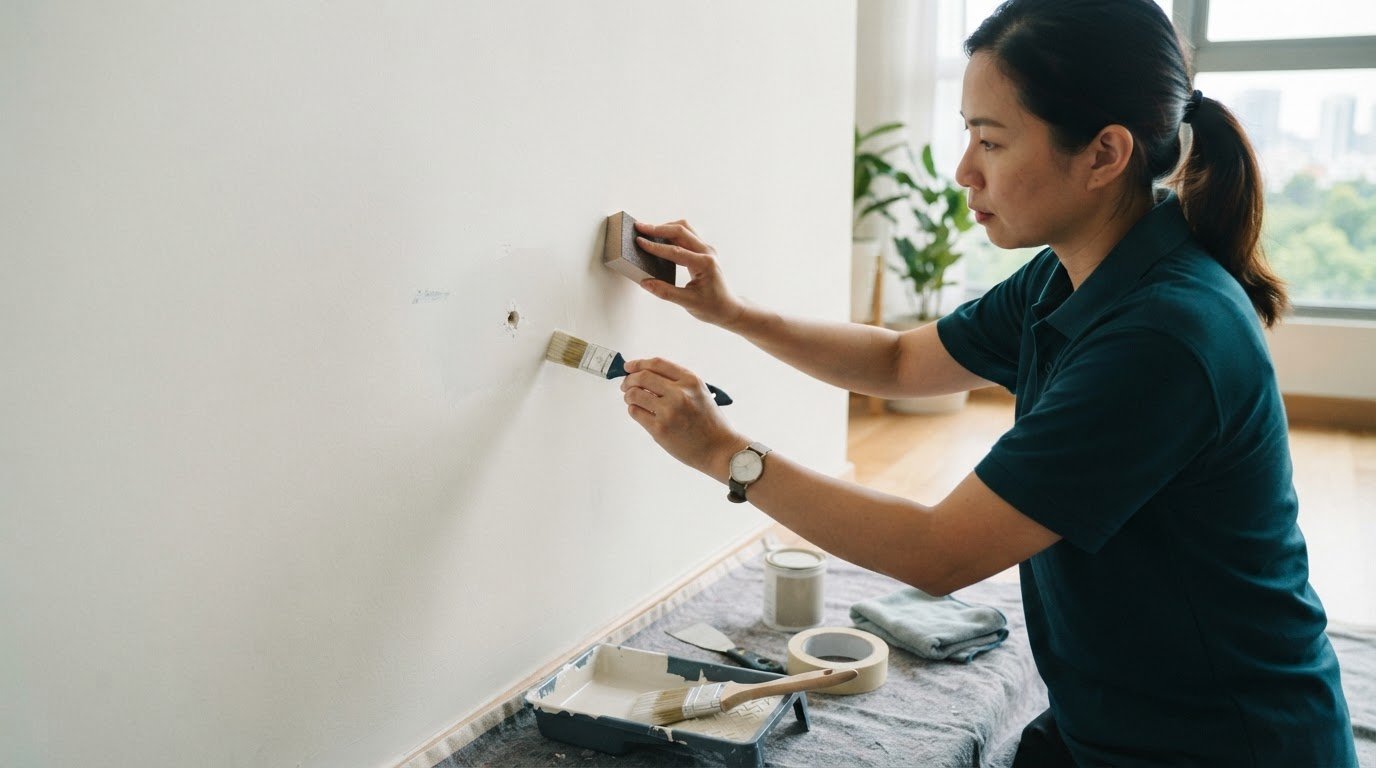
Ask how the contractor will handle nail holes, hairline cracks, loose paint, uneven patches, stains, and dusty surfaces. In humid conditions, also ask whether dampness or mold must be addressed before painting. Painting over an unresolved moisture issue may improve the appearance briefly, but peeling, blistering, and staining can return.
For homes with wallpaper, the quote should explain whether removal is included and how the wall will be restored afterward. Wallpaper removal can expose damaged plaster or adhesive residue, so the final cost depends on what is found beneath. An honest contractor will explain this possibility rather than promise a blanket price with no conditions.
Preparation also includes protecting the property. Confirm how floors, furniture, fixtures, and nearby surfaces will be covered. If furniture needs to be moved, establish who will handle it and whether large or delicate items need special arrangements. Good painters leave the site orderly, not just freshly painted.
Check the paint specification, not just the brand name
A recognizable paint brand is reassuring, but the product line matters too. Most major brands offer different ranges for economy, washability, mold resistance, low odor, exterior weather protection, and specialty surfaces. The right selection depends on the room and how it is used.
For example, a family living room may benefit from a washable interior finish, while a bathroom or poorly ventilated area may need enhanced mold resistance. A high-traffic office corridor needs a coating that can withstand regular cleaning. Exterior surfaces need products designed for heat, rain, and UV exposure.
Ask the contractor to state the paint product, finish, and intended coverage. Flat or matte finishes can soften the look of minor wall imperfections, while glossier finishes are easier to wipe but may highlight uneven surfaces. There is no universal best option. The practical choice depends on the condition of the walls, the level of maintenance you expect, and the look you want to achieve.
If odor, household sensitivities, or business operations are concerns, discuss low-VOC or eco-friendly paint options early. These choices may cost more than basic alternatives, but they can make a meaningful difference for occupied homes, clinics, offices, and spaces with children or pets.
Treat timing as part of the quotation
A realistic schedule demonstrates planning. Your quotation should say when work can start, how long it is expected to take, and whether the property can remain occupied during the project. Drying time between coats, repair work, weather exposure for exterior projects, and access restrictions can all affect completion dates.
Urgent painting can be arranged in some situations, especially before handovers, move-ins, events, or store openings. However, fast work should still include adequate preparation and drying time. A contractor who promises an unusually short turnaround without discussing these factors may be pricing for speed at the expense of the finish.
For offices and retail spaces, ask how noise, odors, access, and cleanup will be managed. Phased work, weekend scheduling, or work after operating hours may be worth the added cost if it helps prevent business disruption. The cheapest proposal is not always the most affordable when downtime is considered.
Look for accountability, not vague promises
A quotation should tell you who is responsible for the job and what happens if a concern arises after completion. Check that the contractor is properly identified, that payment stages are understandable, and that communication arrangements are clear. You should know who to contact if you need to confirm colors, access times, changes, or touch-ups.
Be cautious with unusually large upfront payments or a quote that is little more than a handwritten total. A professional document does not need to be complicated, but it should be specific enough to protect both parties.
It is also reasonable to ask about workmanship support. Paint naturally experiences wear over time, especially in high-use areas, but clear expectations around defects, touch-ups, and project handover show that the contractor stands behind the work. My Paint Job approaches every project with this level of practical care, from site assessment and color guidance to protected preparation and final cleanup.
Make the final decision with confidence
Once the quotations are clear, compare value rather than price alone. Consider the contractor’s responsiveness, willingness to inspect the site, clarity around repairs, paint quality, protection measures, and ability to work around your home or business. These are the details that determine whether a paint job feels easy or becomes another task to manage.
Before accepting, ask for the final scope and chosen colors to be confirmed in writing. A few careful questions now can protect your budget, your schedule, and the finish you will live or work with every day. Choose the quotation that makes the work clear, the process manageable, and the expected result worth coming home to.