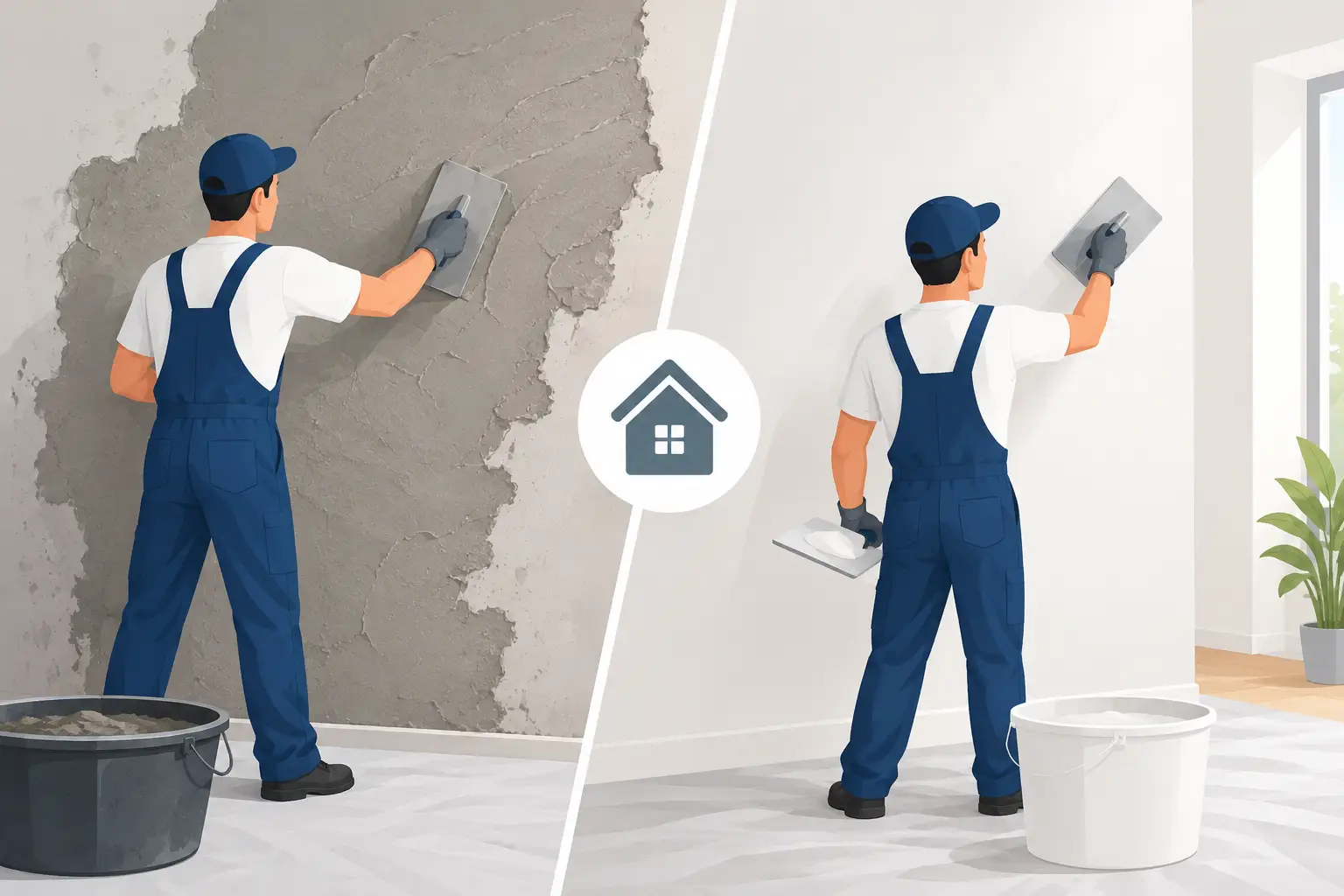

A fresh coat of paint can make a rental feel cleaner, brighter, and more like home. But knowing how to paint a rental unit starts before you open a can. The wrong color, poor preparation, or missing approval can create avoidable disputes and put part of your security deposit at risk.
Whether you are a tenant personalizing a space, a landlord preparing for new occupants, or a property manager turning over several units, the goal is the same: achieve a polished finish without creating more work later. A well-managed painting job protects floors and furniture, respects the property agreement, and leaves walls looking professionally maintained.
Check Your Lease and Get Approval First
Do not assume that interior painting is automatically allowed. Many leases require written approval before tenants alter wall colors, paint cabinets, or make changes to fixtures. Some landlords allow neutral colors only, while others permit painting if the unit is restored to its original color before move-out.
Review the lease for clauses related to alterations, maintenance responsibilities, and move-out conditions. If the wording is unclear, ask the landlord or property manager directly. Put the agreement in writing, including the approved color, rooms to be painted, and whether restoration will be required later.
This step matters even when you plan to repaint the walls white. A landlord may have a preferred paint brand, sheen level, or existing color code for touch-ups. Matching those details can make the final result much easier to approve.
For landlords, clear paint policies prevent misunderstandings. Provide tenants with a written standard for approved colors and explain whether professional painting is required. It is a small step that can reduce disputes during inspections.
Choose Colors That Work for a Rental Property
Color is personal, but rental property painting calls for practical judgment. If you are a tenant, choose shades that feel welcoming without making the unit difficult to restore. Warm whites, soft greiges, light taupes, muted greens, and pale blues are usually safer than highly saturated colors.
For landlords and property managers, neutral colors help spaces feel larger and appeal to more prospective renters. They also make patching and repainting simpler between tenancies. A consistent palette across units can reduce material waste and speed up future maintenance.
Consider the lighting before deciding. A color that looks soft in a paint store may appear cool under LED lighting or much darker in a room with limited natural light. Test sample patches on more than one wall and view them morning, afternoon, and evening. If you are matching an existing wall, bring a small paint chip or use the original paint information whenever possible.
Finish is just as important as color. Flat paint conceals small wall imperfections but can be harder to clean. Eggshell or satin is often a practical choice for living areas because it offers a subtle sheen and better wipeability. Semi-gloss is generally reserved for trim, doors, and high-contact surfaces.
Prepare the Unit Before Painting
Most paint failures begin with rushed preparation. Walls may look ready from a distance, but grease, dust, loose paint, nail holes, and moisture stains will show through a new coat if they are not handled correctly.
Start by moving furniture away from the walls or covering it with clean protective sheets. Remove wall décor, outlet covers where appropriate, curtain hardware, and detachable fittings that may interfere with a clean edge. Protect floors, baseboards, windows, and fixed cabinetry with drop cloths and painter’s tape.
Then inspect the walls closely. Fill small nail holes and minor dents with suitable patching compound, allow it to dry, and sand it smooth. Wipe away sanding dust before applying paint. Greasy areas near kitchens, fingerprints around switches, and marks near entryways should be cleaned with a mild degreasing solution and allowed to dry completely.
Do not paint over active water damage, mold, peeling paint, or cracks that keep returning. These are signs of a surface issue that needs repair first. In rental units, it is especially important to document the problem and notify the landlord or manager before proceeding. Painting over damage may hide it temporarily, but it will not solve the cause.
For a move-in refresh or a fast turnover, professional preparation is often the difference between a quick coat of paint and a finish that actually lasts. Skilled painters can identify whether a wall needs simple patching, plaster repair, stain-blocking primer, or more extensive surface treatment.
How to Paint a Rental Unit for a Clean Finish
Once preparation is complete, use a quality primer when you are covering dark colors, repairing patched areas, painting over stains, or changing from a glossy surface to a lower-sheen finish. Primer improves adhesion and helps the final color appear more even. Skipping it can mean using extra coats of more expensive paint without getting the coverage you expected.
Cut in first by painting a narrow border around ceilings, trim, corners, and fixtures with an angled brush. Work carefully and keep a damp cloth nearby for immediate cleanup of small splatters. After cutting in, use a roller to cover the larger wall areas.
Apply paint in manageable sections, working from top to bottom. Maintain a wet edge by overlapping each pass before the previous section dries. This reduces visible roller marks and uneven patches. Avoid pressing too hard on the roller, which can cause streaks and splatter.
Two thin coats usually look better and wear better than one heavy coat. Follow the paint manufacturer’s drying time between coats, especially in humid conditions. Rushing the second coat can pull up the first layer or create an uneven sheen.
If you are painting only one wall or touching up a damaged area, test the match first. Even when the color name is correct, older paint can fade over time, and different batches may vary slightly. A full-wall repaint is often the cleanest option when touch-up patches would be visible.
Protect the Property and Your Deposit
Painting carefully is not only about the walls. Paint splatters on flooring, hinges, outlets, windows, or built-in furniture can quickly turn a low-cost project into a repair issue. Keep drop cloths in place, use tape correctly, and remove tape while the paint is still slightly wet for cleaner edges.
Take dated photos before work begins, during preparation, and after cleanup. These photos create a useful record of the unit’s condition and the work completed. Save receipts, paint labels, and written landlord approval as well. If the landlord requests a specific restoration color at move-out, those records can save time and uncertainty.
After painting, ventilate the room, dispose of materials according to local requirements, and clean all work areas. Do not leave leftover paint, tools, or chemical products in the unit unless the landlord has agreed to keep them. A professional-looking wall loses its impact if the floors, fixtures, or surrounding surfaces are left messy.
When Hiring a Professional Painter Makes More Sense
DIY painting can be suitable for a small bedroom with sound walls and a straightforward color change. However, a professional service is often the more dependable option when the unit has damaged plaster, high ceilings, extensive staining, multiple rooms, tight move-in or move-out deadlines, or furniture that needs to be protected and moved.
This is particularly true for landlords and managers handling turnover work. Delays between tenants affect rental income, and inconsistent patchwork can make an otherwise well-maintained property look neglected. A professional team can manage inspection, surface preparation, paint selection, protection, application, and cleanup in a coordinated process.
My Paint Job supports residential and commercial property painting with practical color guidance, careful surface preparation, premium paint options, and low-disruption execution. For rental properties, the right scope depends on the wall condition, required timeline, and whether the work is a light refresh or a full restoration.
A rental unit does not need dramatic changes to feel renewed. Thoughtful color choices, proper preparation, and a clean final handover can make the space more comfortable now and far easier to manage when it is time to move on.