

If you’re wondering how to make a claim on a paint job warranty, start with the written terms rather than assumptions about what’s covered. The right provider may depend on the problem: a contractor’s workmanship warranty and a paint manufacturer’s product warranty can cover different issues. Peeling, blistering, or fading can have several causes, so clear evidence is important.
A claim can be difficult to prepare if you’re unsure what records to provide or who to contact. This guide explains how to check your warranty, identify the relevant provider, document the defect, and submit a clear claim. You’ll also learn how to follow up, request an explanation if the claim is disputed, and consider your next steps if the warranty doesn’t apply. Gather your contract, payment records, and a careful account of when the problem appeared.
Key Takeaways
- To understand how to make a claim on a paint job warranty, check the written terms for covered surfaces, time limits, exclusions, and claim instructions.
- Peeling, cracking, blistering, or fading can have different causes. Record the affected areas and relevant details before deciding whether the warranty may apply.
- Prepare your claim with the contract, invoice, completion date, photos, and relevant messages. Keep copies of everything you send and receive.
- If coverage is unclear or disputed, ask the provider to explain its position and consider whether an inspection or independent advice could help.
How to Make a Claim on a Paint Job Warranty: Start With the Written Terms
Before contacting anyone, gather the signed quote, invoice, and any separate warranty document. To understand how to make a claim on a paint job warranty, first identify what work was agreed and which document explains how to raise a claim. Check the covered rooms or surfaces, the warranty start date and duration, any exclusions, and how and when you must give notice. If you can’t find the terms or they’re unclear, ask the provider to clarify them in writing rather than relying on assumptions.
For this guide, the written agreement is the record that defines the promised coverage and the steps for raising a claim. A warranty is a specific promise with terms; you can read more about what a warranty is. The documents and exact wording matter, so don’t assume every paint problem is covered.
Which paint warranty applies: workmanship or paint product?
A workmanship warranty concerns how the painting was carried out, including the application. A paint product warranty concerns a defect in the paint itself. These are different promises and may come from different providers. Check who issued each warranty, what it covers, and where it directs you to submit a claim. If you don’t know the likely cause, describe what you can see without deciding in advance who is responsible.
What details should you check before claiming?
Compare the affected area and problem with the written scope. A warranty may cover only specific surfaces or exclude certain conditions, so read the wording closely. Note the work completion date, when you first saw the defect, and relevant circumstances such as moisture or damage. These details help you describe the issue accurately and identify which terms may apply.
- Compare the covered work and surfaces with the affected location.
- Find the start date, duration, exclusions, and notice instructions.
- Distinguish a possible application concern from a suspected paint product defect.
Is Peeling, Cracking, or Blistering Covered by a Paint Job Warranty?
Peeling, cracking, blistering, and fading describe what you can see, but they don’t explain why it happened. Moisture, the condition of the underlying surface, preparation, and paint application may all affect an assessment. A visible defect alone doesn’t establish its cause or prove that warranty coverage applies. Record what you observe, then compare it with the agreement’s coverage and exclusions.
| Visible symptom | Possible cause | Evidence to record | Term to check |
|---|---|---|---|
| Peeling or flaking | Moisture, surface condition, or adhesion issue | Close and wide photos; location and spread | Preparation, moisture, and workmanship exclusions |
| Cracking | Surface movement or a change in the underlying material | Crack pattern, length, and nearby surface changes | Structural or pre-existing condition exclusions |
| Blistering | Moisture or heat beneath the paint film | Blister size, location, and any damp signs | Moisture and application wording |
| Fading | Light exposure, wear, or product performance | Colour change, exposure, and affected area | Product coverage and fading exclusions |
How can you distinguish a paint issue from moisture or surface damage?
A photograph alone may not reveal the cause. Note where the defect appears, how far it has spread, when you first noticed it, and whether there are nearby signs such as dampness, staining, or surface changes. These observations give the provider useful context without presenting a guess as fact.
Which exclusions should homeowners look for?
Check the actual wording for exclusions related to leaks or moisture, impact, maintenance, and pre-existing surface conditions. Terms vary, so don’t treat another contractor’s examples as rules for your own claim. The FTC’s Federal warranty law guide concerns US federal law, not Singapore warranty rules.
If you’re planning future work, review residential and commercial painting services and ask the chosen provider to set out coverage and exclusions in writing.
How to Submit a Paint Job Warranty Claim: Evidence and Follow-Up
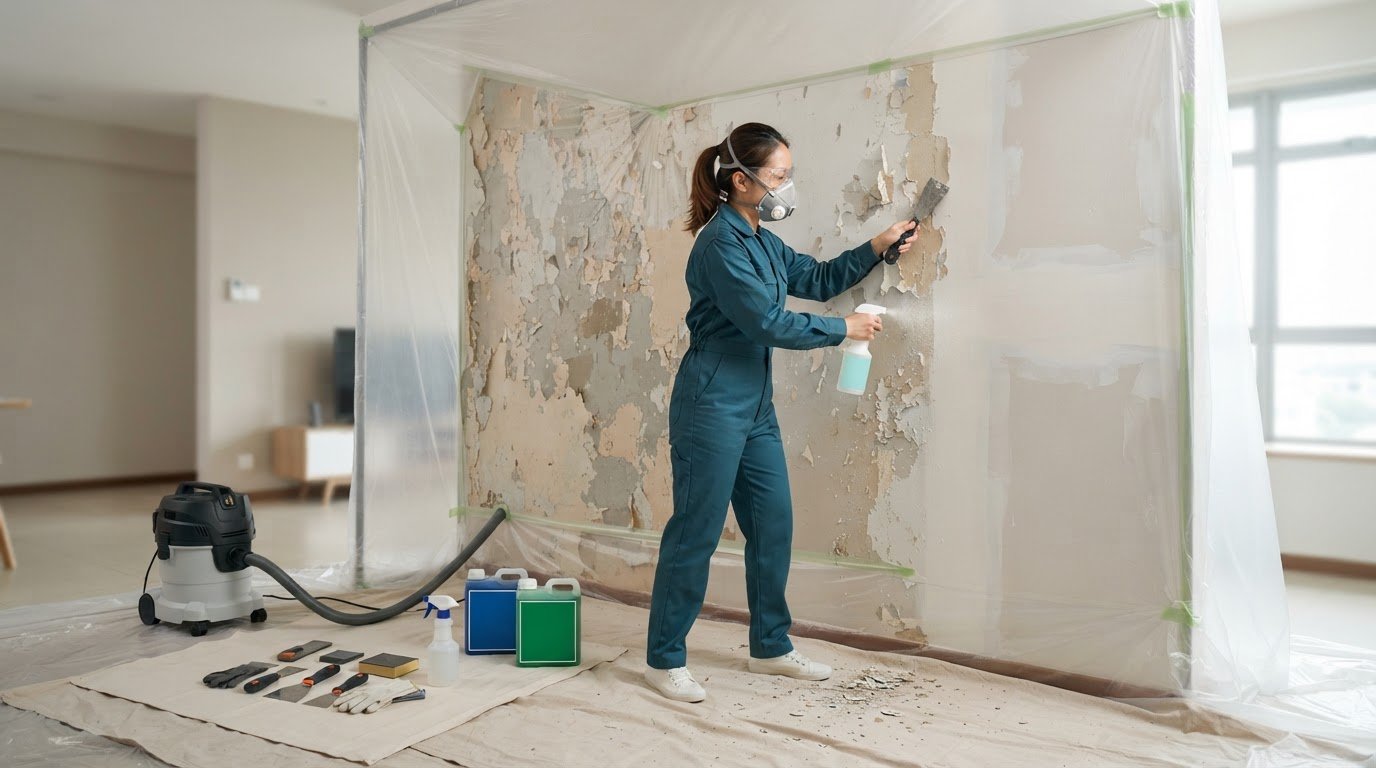
A clear record helps the named provider assess what happened. If you’re working out how to make a claim on a paint job warranty, follow the agreement’s notice instructions and keep your account factual. Before documenting the defect, don’t clean, scrape, or repaint the affected area, as doing so may change the evidence.
What evidence should you gather before contacting the provider?
Take dated photographs in consistent lighting. Include a wide shot that shows the room or surface and close-ups that capture the defect. Keep the original contract and invoice, note the project completion date, and record when you first noticed the problem and whether it has spread or changed. List each affected location and save earlier messages about the work.
How should you submit and follow up?
Contact the provider named in the warranty, then send the details using the channel and within the notice period stated in your documents. Attach copies of relevant records, keep the originals, and save your sent message and every reply. A concise claim can follow this structure:
- Subject: Paint warranty assessment request, [property or project reference]
- Issue: Describe what you observed and where it appears.
- Timing: State when you discovered it and, if known, when it began to change.
- Request: Ask the provider to assess the issue and explain the next steps under the written terms.
- Attachments: List photos, contract, invoice, and relevant correspondence.
If the provider disputes or declines the claim, remain professional and ask which written term applies and how it relates to the evidence. Keep the response with your records. The Cornell Legal Information Institute offers a general legal definition of a warranty; it isn’t Singapore-specific legal advice, so verify any escalation options before treating them as formal rights.
Planning a future project? Review residential and commercial painting services, and ask your chosen provider to confirm coverage and claim steps in writing before work begins.
What to Do When Your Paint Job Warranty Claim Is Unclear
If you’re unsure whether a defect is covered, don’t guess. Ask the provider to clarify the relevant wording in writing. If the cause is disputed, request an inspection and ask what it will assess. You can consider an independent assessment if the facts remain unclear, but treat it as evidence, not a guarantee of coverage or a particular remedy. Keep your photos, documents, and messages together as you decide what to do next.
What to ask before agreeing to future painting work
Before work begins, ask for written terms that identify the covered work and surfaces, the coverage period, exclusions, who to contact about a defect, and how to submit a claim. Professional residential painters such as Chaparro’s Painting, LLC typically define these workmanship expectations and prep standards upfront. Clarify how the contractor will record the existing surface condition and preparation work. For example, ask whether pre-existing cracks or signs of moisture will be noted before painting. Clear records make it easier to understand what was agreed.
When should you seek an independent assessment?
An independent view may help if you and the provider disagree about whether a problem relates to application, the paint product, moisture, or the underlying surface. Choose someone qualified to assess the specific issue, and ask for their observations and reasoning in writing. An assessment can add useful context, but it doesn’t decide whether your warranty applies. Check the agreement and seek appropriate advice if you’re considering formal next steps.
If you’re planning HDB painting, review the written scope and surface preparation plan before confirming the work. My Paint Job Singapore provides residential painting services, including HDB painting. For a future project, discuss your requirements with the provider and ask them to set out any applicable warranty terms and claim process in writing. That clarity helps you plan without assuming coverage that hasn’t been agreed.
Take the Next Step With Clear Records and Confidence
Knowing how to make a claim on a paint job warranty starts with the written terms, not assumptions about what a defect means. Check which work and surfaces are covered, record the issue with clear photos and dates, and contact the provider named in the agreement. If the cause or coverage is disputed, ask which term applies and consider whether an independent assessment could clarify the facts.
For a future painting project, get the coverage, exclusions, and claim process in writing before work begins. My Paint Job Singapore provides residential and commercial painting, with more than 10 years of industry experience and meticulous surface preparation as part of its approach. Confirm warranty terms directly with the provider.
Discuss your next painting project with My Paint Job Singapore. A thoughtful plan and clear written details can help you move ahead with greater confidence.
Frequently Asked Questions
How do I make a claim on a paint job warranty?
To understand how to make a claim on a paint job warranty, start with the written warranty, quote, and invoice. Check the coverage, duration, exclusions, and submission instructions, then photograph the defect and note when it appeared. Contact the provider named in the agreement with a concise description and supporting records. Keep copies of your messages. If the claim is disputed, ask which written term applies.
Is peeling paint covered by a painting warranty?
Peeling may be covered if the written terms include it and the cause falls within the stated coverage. It can also relate to moisture, surface condition, preparation, or application, so the symptom alone doesn’t confirm eligibility. Photograph the affected area, note its location and any nearby signs of dampness, and check the warranty for relevant exclusions. Ask the provider to assess the issue before assuming the claim will be accepted.
What evidence do I need for a paint warranty claim?
Gather the warranty or contract, quote, invoice, project completion date, and dated photographs of the affected area. Take both close-up and wider photos so the defect and its location are clear. Record when you first noticed it and whether it has changed. Keep relevant correspondence and maintenance records, if available. Follow the provider’s submission instructions, since these examples aren’t a universal list of required documents.
Can I claim a paint warranty without a written warranty?
You can contact the painting provider and ask which written terms or project records apply. Gather your quote, invoice, messages, and photos, then describe the issue and request clarification. Don’t assume a verbal statement guarantees coverage, but don’t conclude that the absence of a separate warranty document means you have no options. The agreement, records, and circumstances matter, so seek appropriate advice if you’re unsure what applies.
What happens if my paint warranty claim is rejected?
If your claim is rejected, ask the provider to identify the relevant term or exclusion and explain how it applies to the observed defect. Keep the response with your photos and other supporting records. If the cause or reasoning remains unclear, request clarification and consider an independent assessment. You may also seek appropriate consumer guidance, but check which options apply to your circumstances rather than assuming a particular remedy is available. In cases where the warranty does not cover peeling or flaking on fitted cabinetry or furniture, specialist refinishers such as Dee Valley Spray Solutions offer respraying solutions that restore the finish without having to replace units entirely.


Love the atmosphere of this site. It is easy to navigate and the rewards keep me coming back every day. Cheers for the great service! idsarang188