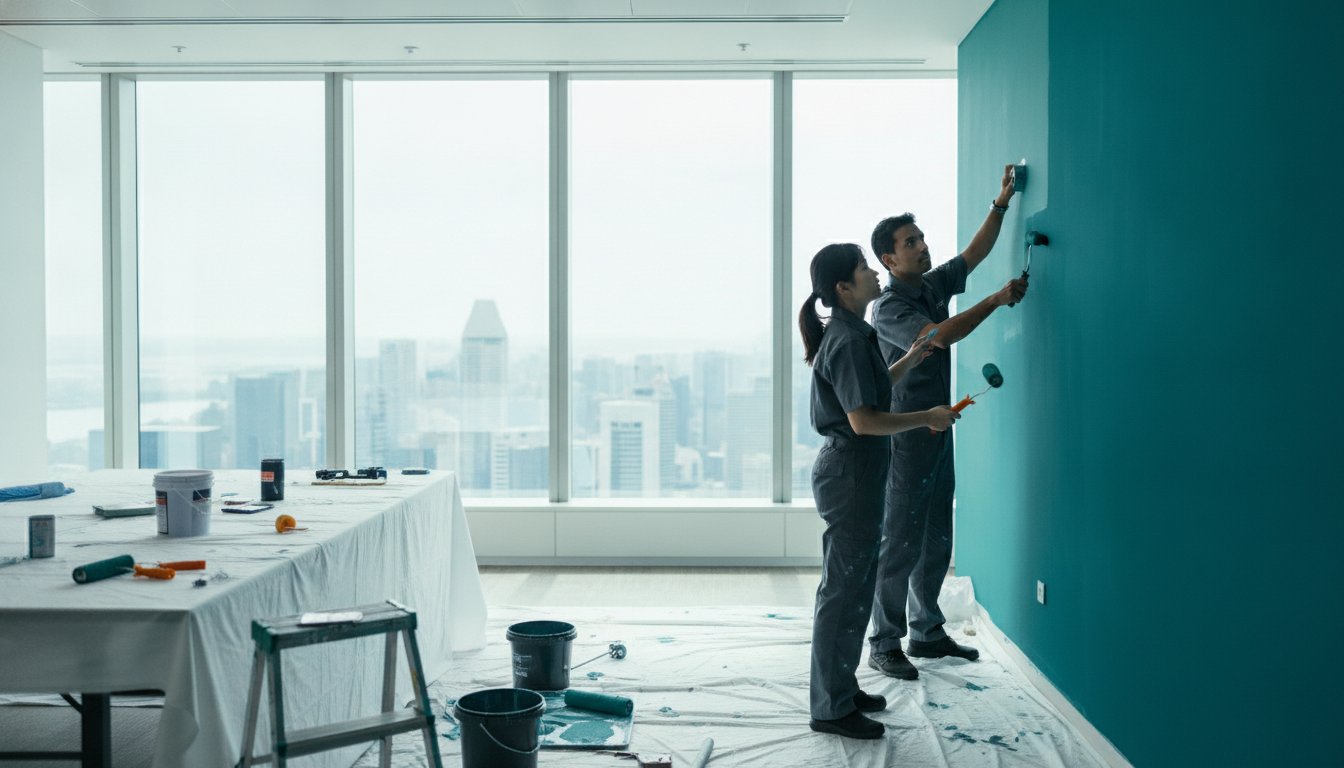
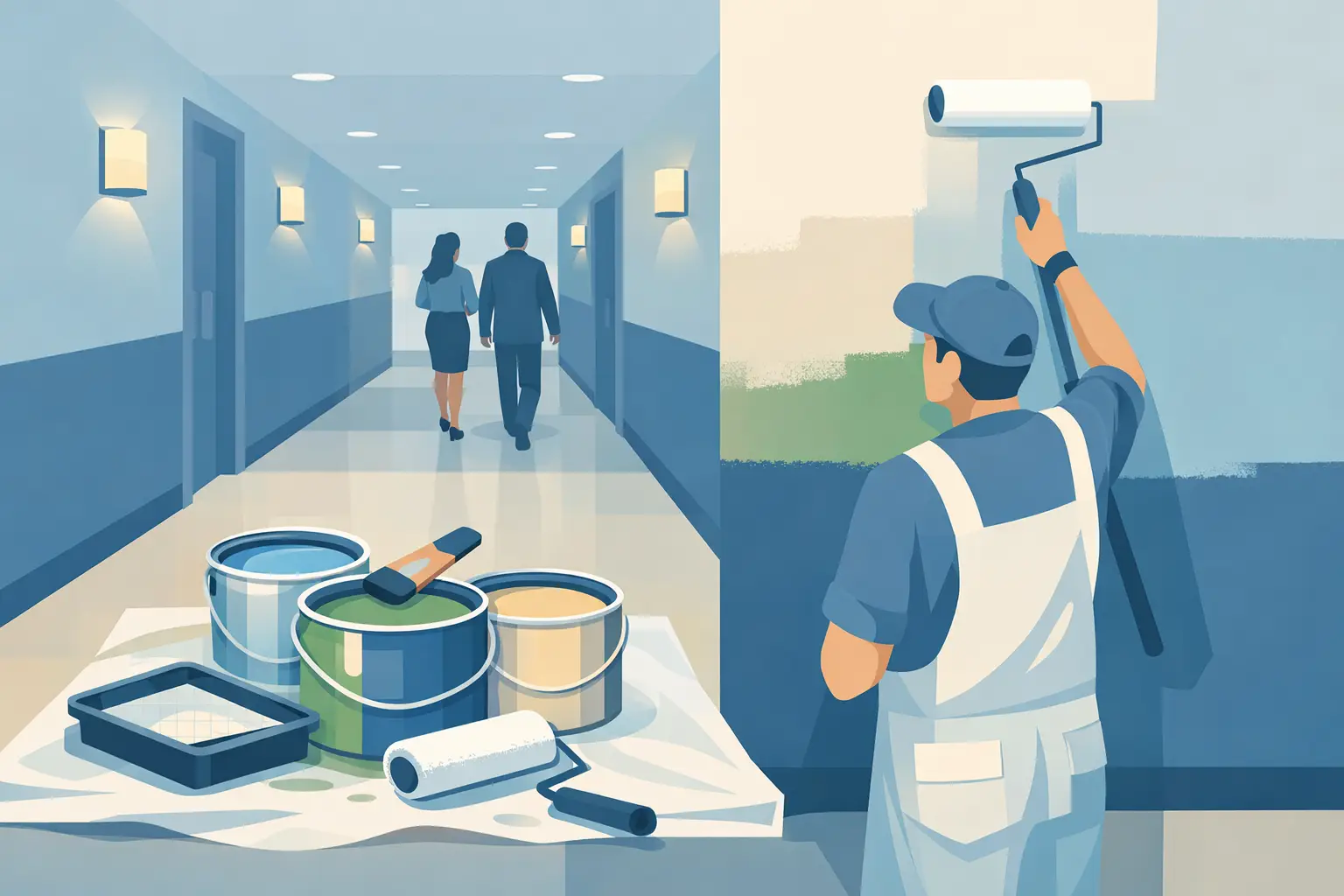
A corridor can look tired long before the rest of a property does. Bags brush against walls, shoes scuff baseboards, hands leave marks near door frames, and moving furniture creates unexpected scratches. Choosing the best paints for high traffic corridors means looking beyond a color card. The right product and finish should withstand regular cleaning, keep its appearance longer, and support a polished first impression for residents, guests, customers, or employees.
For homes, this often means hallways between bedrooms and living areas, entry passages, stairwells, and shared condominium corridors. For commercial spaces, it may include office walkways, retail back corridors, lobbies, and service routes. Each setting has different demands, but the goal is the same: a durable surface that is easy to maintain without making the space feel cold or overly glossy.
What Makes Corridor Paint Different?
High-traffic areas deal with repeated contact rather than one major impact. This is why ordinary, low-quality interior paint can quickly develop dark marks, polished-looking patches, peeling around damaged areas, or uneven touch-ups. A corridor paint needs good adhesion, a washable film, and enough resilience to resist scuffs from daily use.
Durability is not only about selecting the most expensive can on the shelf. Surface condition, primer choice, paint finish, application quality, and drying time all affect how well the final coating performs. A premium paint applied over loose, dusty, or damp walls will not deliver the long-lasting result property owners expect.
The Best Paint Types for High-Traffic Corridors
For most interior corridors, premium water-based acrylic or acrylic-latex paint is the practical choice. It has low odor, dries relatively quickly, and is easier to clean than basic economy paint. Quality formulations also tend to hold color well and resist the dulling that can appear after frequent wiping.
A washable, stain-resistant interior acrylic paint is especially suitable for family homes, rental properties, offices, and retail spaces. Look for products described as scrub-resistant or washable, but keep expectations realistic. Even excellent paint can mark if it is repeatedly hit by luggage, carts, or sharp furniture edges. The benefit is that routine fingerprints and light scuffs are far easier to remove without damaging the finish.
For corridors with moisture concerns, such as areas near bathrooms, utility spaces, or poorly ventilated sections, choose a paint designed to resist mildew. The wall must still be dry and properly treated first. Paint can help manage future surface staining, but it cannot solve an underlying leak, condensation issue, or water-damaged wall.
Satin Finish: The Most Versatile Choice
Satin is often the best all-around finish for busy corridors. It has a soft sheen that reflects a little light, helping narrow passageways feel brighter without looking overly shiny. More importantly, satin finishes are generally easier to wipe clean than flat paint.
This finish works well for HDB hallways, condominium entryways, offices, and corridors where appearance and practicality need to meet in the middle. It can reveal wall imperfections more than matte paint, so preparation matters. Small dents, cracks, rough patches, and uneven previous repairs should be addressed before painting begins.
Eggshell: A Softer Look for Light Traffic
Eggshell offers a lower sheen than satin and can give walls a refined, understated appearance. It is a good choice for residential hallways that receive moderate use and where homeowners prefer a softer visual finish.
The trade-off is cleanability. While modern premium eggshell paints can be washable, satin usually provides better resistance when the corridor sees frequent contact from children, pets, delivery items, or moving furniture. Eggshell can still be a smart option in a well-maintained home, but it is not always the strongest choice for a heavily used commercial passage.
Semi-Gloss: Best for Trim, Doors, and Baseboards
Semi-gloss is highly washable and durable, making it an excellent finish for doors, door frames, baseboards, railings, and other painted wood or metal features around a corridor. It is less commonly used across full walls because its higher shine can emphasize every uneven patch and create glare under strong lighting.
Using semi-gloss on trim alongside satin walls creates a clean, professional contrast. It also makes sense in commercial corridors where doors and baseboards face constant scuffing from foot traffic, trolleys, and equipment.
Washable Matte: A Modern Alternative
High-quality washable matte paint can be a good option for owners who want the calm, non-reflective appearance of flat paint but need better maintenance performance. It helps hide minor wall irregularities and is particularly attractive in contemporary homes, boutique retail settings, and office interiors.
Not all matte paints perform the same way. Lower-grade flat paints may burnish or develop shiny spots when scrubbed. If a matte look is the priority, choose a premium washable formula and test a small area first. This is one case where the paint specification matters more than the label alone.
Color Choices That Keep Corridors Looking Cleaner
The most practical corridor color is not always the darkest one. Deep shades can conceal some marks, but they also show dust, scratches, and rubbed edges. Very bright white can make a narrow corridor feel fresh, yet it may reveal handprints and cart marks sooner than an off-white or soft neutral.
Warm whites, light taupes, muted grays, soft greige tones, and pale beige shades are dependable choices because they reflect light while being more forgiving than pure white. In commercial spaces, color can also support wayfinding or reinforce a brand look. A subtle accent wall near an entry or junction can add character without turning every corridor into a maintenance challenge.
Before finalizing a shade, consider the lighting. A color that looks clean under daylight may appear yellow, gray, or much darker under warm artificial lights. Testing sample patches at different times of day prevents expensive surprises after the full paint job is complete.
Preparation Is What Makes Paint Last
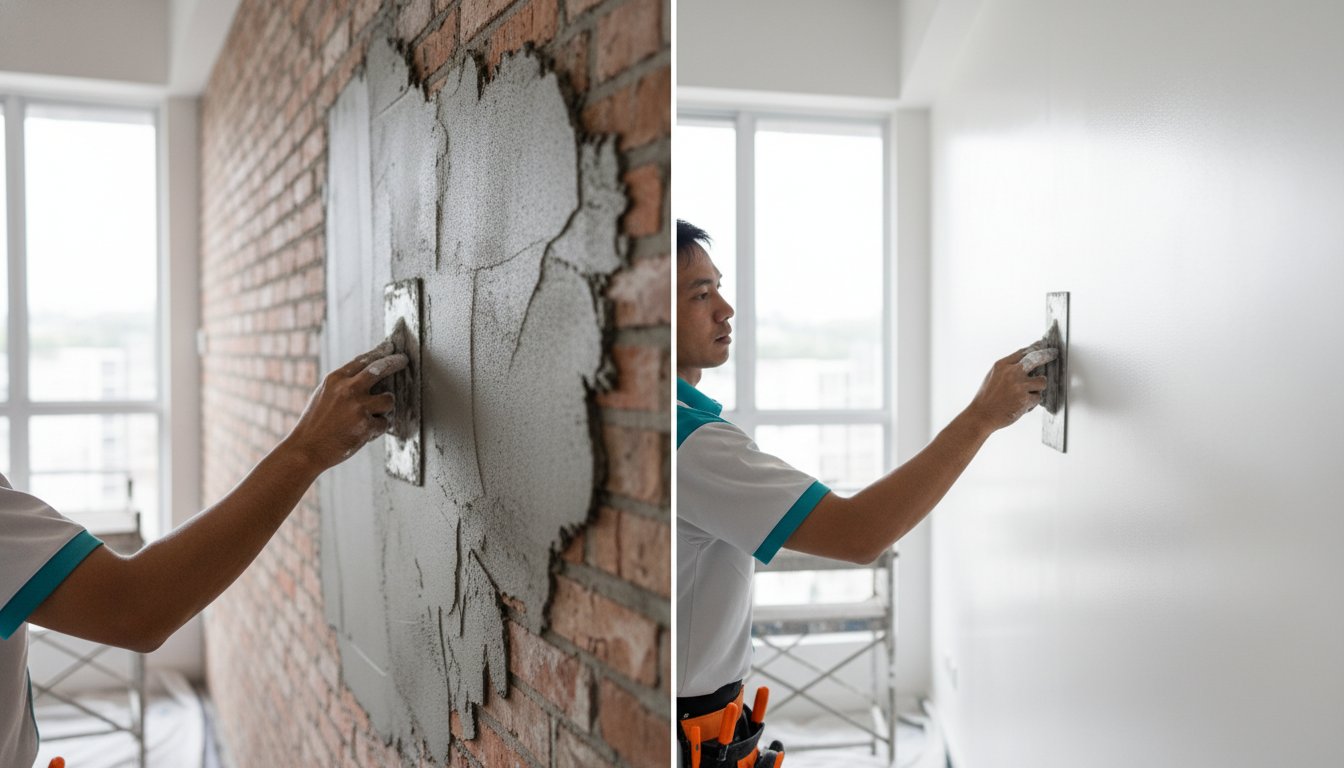
Even the best paint will struggle on an unprepared wall. Corridors often have small cracks, nail holes, peeling edges, stains, and old touch-ups that become more visible after a fresh coat. Professional preparation begins with inspecting the surface, protecting nearby furniture and flooring, and cleaning away dust or grease.
Loose paint should be removed, damaged spots filled, and repaired areas sanded smooth. Stains from water, smoke, or ink may require a suitable stain-blocking primer so they do not bleed through the new finish. Where walls have persistent dampness, the source should be identified and repaired before painting proceeds.
Primer is not required for every repaint, but it is valuable when changing from a dark color to a light one, painting over patched areas, covering stains, or working with bare plaster. It improves consistency and helps the topcoat bond properly. Skipping this step may reduce upfront cost, but it can lead to uneven coverage and earlier repainting.
Plan the Work Around Daily Use
A busy corridor is rarely easy to close off. Homeowners may need to move between rooms, while offices and retail spaces must keep staff, customers, and deliveries moving safely. The paint plan should account for access, ventilation, drying time, and protection of doors, floors, and nearby fixtures.
Low-odor, low-VOC paint is a sensible choice where people will remain in the property during the project. It helps reduce disruption, although fresh paint still needs sufficient ventilation and curing time. Fast-drying products can support a tighter schedule, but rushing between coats or allowing heavy contact before the paint has cured can compromise the finish.
For commercial properties, phased painting can keep operations running. One section can be prepared and painted at a time, with clear access routes maintained where possible. For homes, careful furniture protection and organized work sequencing help keep the process manageable from start to cleanup.
When to Repaint a High-Traffic Corridor
Repaint when cleaning no longer restores the surface, when touch-ups are visibly different from the surrounding wall, or when cracks and peeling begin to spread. Repainting early can be more cost-effective than waiting until repairs become extensive.
A professional assessment is useful when the issue may be more than cosmetic. Repeated bubbling, flaking, or staining can point to moisture, poor previous preparation, or surface damage that needs attention before a new coat is applied. My Paint Job handles the full process, from inspecting wall condition and recommending suitable paint finishes to protecting your space and leaving it clean after completion.
A well-painted corridor should quietly do its job: welcome people in, stand up to daily life, and continue looking cared for between cleanings. Choosing a washable premium paint, the right sheen, and careful preparation gives that hardworking space the finish it deserves.