A wall that starts bubbling a few weeks after painting is rarely a paint problem alone. In most cases, moisture damage wall paint is the visible symptom of water trapped behind the surface, and repainting too soon only covers the warning sign for a short time.
For homeowners, landlords, and business owners, that matters because the longer moisture stays in the wall, the more expensive the repair tends to become. What begins as a patch of peeling paint can turn into soft plaster, mold growth, concrete damage, or repeated repainting costs that never solve the root issue. The right approach is not just to repaint. It is to identify where the moisture is coming from, repair the surface properly, and use the correct coating system for the space.
Why moisture damage wall paint keeps coming back
Paint needs a dry, stable surface to bond well. When moisture moves through plaster, concrete, or drywall, it pushes against the paint film. That pressure can cause bubbling, flaking, discoloration, and chalky patches. In humid environments or buildings with poor ventilation, the problem can return even after a fresh coat if the underlying condition has not changed.
This is why some walls look fine right after a repaint but fail again within months. The finish may be new, but the wall is still damp. In bathrooms, kitchens, service yards, and exterior-facing walls, this is especially common. Air-conditioning condensation, plumbing leaks, rain penetration, rising damp, and cracks around windows can all create the same visible outcome.
There is also a trade-off to keep in mind. A quick cosmetic touch-up costs less upfront, but if the wall still holds moisture, that lower cost often leads to another repair cycle. A proper fix takes more preparation, but it gives the paint a real chance to last.
Common signs of moisture damage wall paint
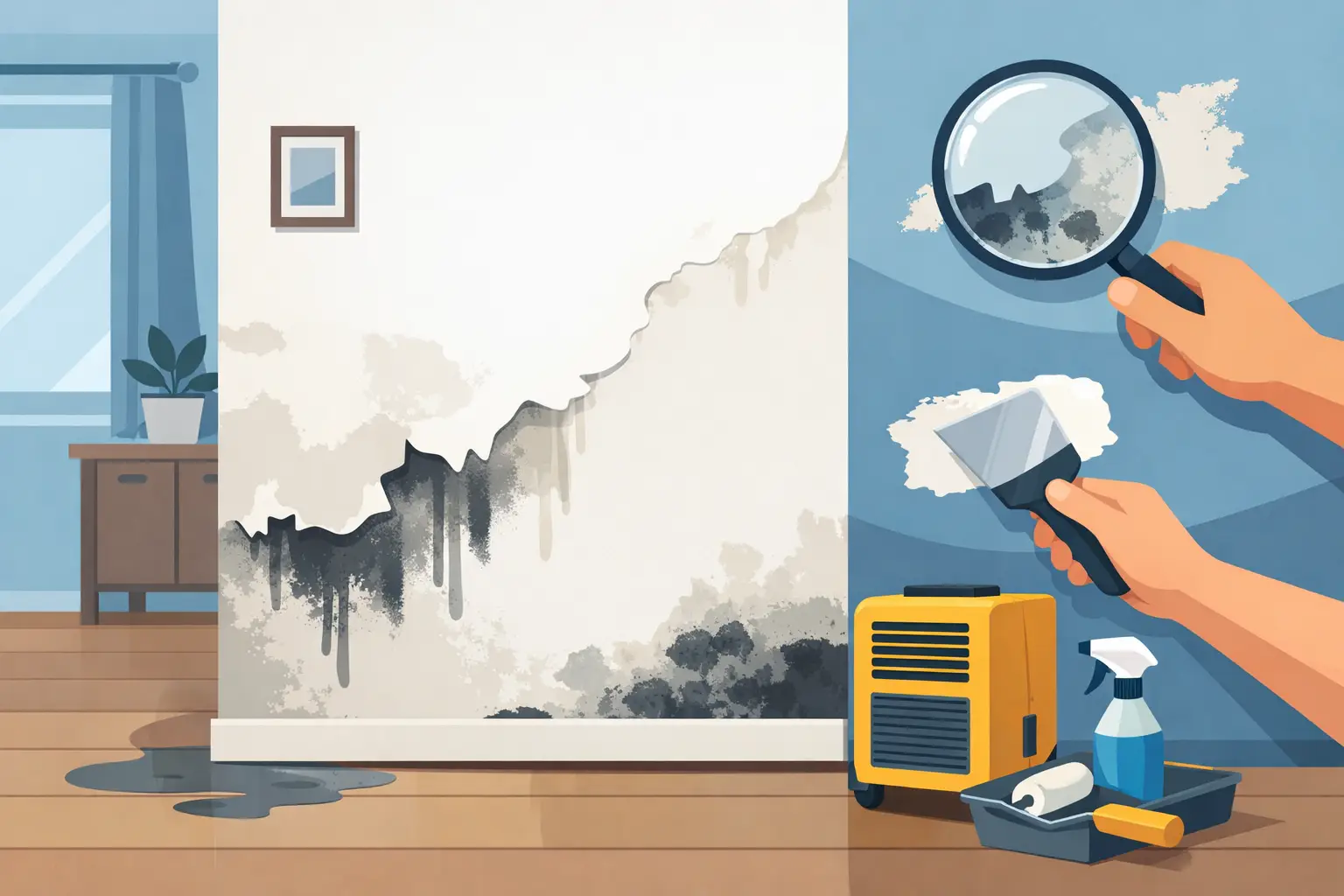
The earliest warning is often a faint stain or uneven patch that looks slightly darker than the surrounding wall. After that, paint may begin to blister, peel at the edges, or develop hairline cracking. In more severe cases, the wall feels damp, powdery, or soft to the touch.
You may also notice a musty smell, especially in enclosed rooms, storerooms, or spaces with weak airflow. On masonry walls, white powdery deposits can appear. That is often efflorescence – salts brought to the surface by moisture moving through the material. Paint applied over it usually fails unless the wall is cleaned and dried first.
These symptoms can look similar, but they do not always point to the same source. A bubbling patch near a window may suggest rain ingress. A stain below a bathroom pipe may indicate leakage. Peeling near the lower portion of a wall can suggest rising damp or water exposure from floor cleaning. The pattern matters.
What causes wall moisture in the first place?
The most common cause is water entry. That may come from roof leaks, damaged sealant, cracked exterior walls, faulty waterproofing, plumbing failures, or condensation building up on cooler surfaces. In commercial spaces, concealed piping and air-conditioning lines are frequent culprits. In homes, bathrooms and kitchen walls often show damage first because they combine steam, water use, and limited ventilation.
Sometimes the issue is not active leakage but trapped construction moisture or poor surface preparation. If a wall was patched and painted before it had fully dried, the coating may fail even without a new leak. Likewise, applying premium paint over dusty, friable, or alkaline surfaces can still lead to poor adhesion.
This is where professional inspection makes a difference. The visible stain is not always the entry point. Water can travel behind finishes and show up several feet away from the actual source, which is why isolated repainting often misses the real problem.
Why repainting alone usually fails
It is tempting to scrape off the peeling area, apply fresh paint, and hope for the best. For very minor cosmetic issues, that might hold for a while. But when moisture is still present, the new paint becomes another layer under stress.
Moisture can break the bond between paint and substrate, especially if the wall has salts, mold, or loose plaster. Even if the surface feels dry on the day of painting, retained moisture inside the wall can continue moving outward. The result is familiar: bubbles, flaking, stains bleeding through, and patches that look different from the rest of the room.
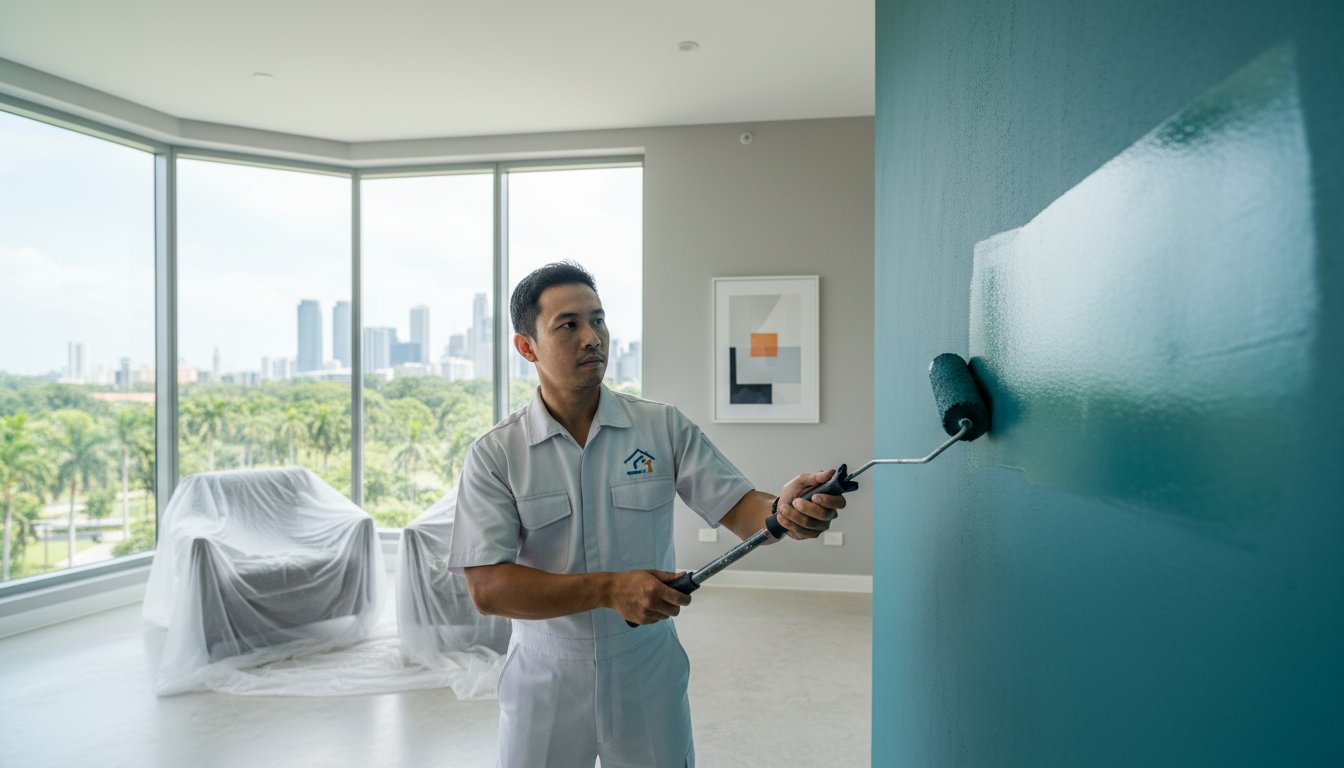
Good painting results depend as much on preparation as on the final coat. That means drying time, surface stabilization, patch repair, stain treatment, and selecting the right primer all matter. Skipping those steps is usually what turns a repair into a repeat job.
How to fix moisture-damaged walls properly
The first step is to stop the source of water. If there is a plumbing leak, exterior crack, failed waterproofing detail, or condensation issue, that has to be addressed before paint work begins. Otherwise, the finish remains at risk no matter how well it is applied.
Once the source is controlled, the damaged area should be scraped back to remove all loose paint and unsound material. In some cases, this exposes weak plaster or spalling concrete that also needs repair. The wall then needs time to dry fully. How long depends on the extent of moisture, the material, and room ventilation. There is no fixed number that fits every property.
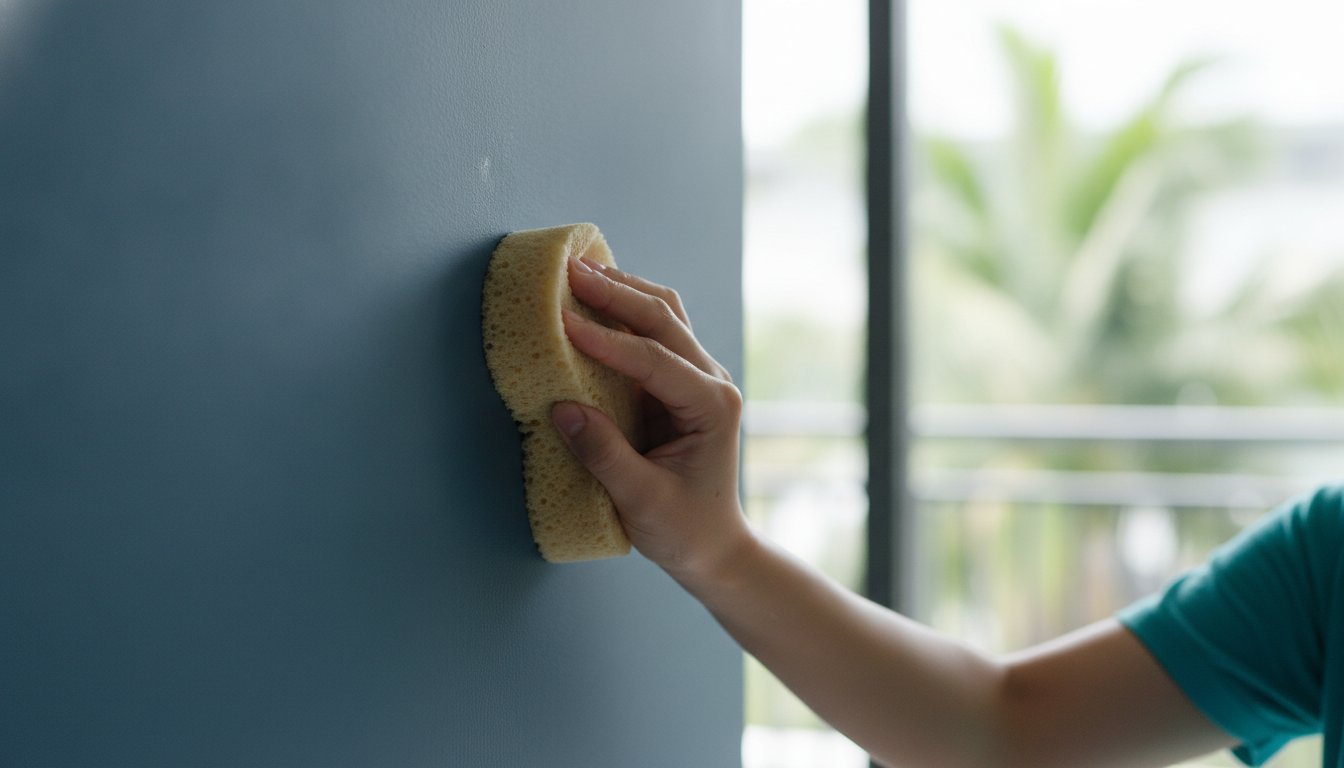
After drying, the substrate should be cleaned and treated as needed. Efflorescence must be removed. Mold contamination may require disinfection. Uneven surfaces often need plastering or patching to restore a smooth base. Only then should primer and topcoat be applied.
The right primer is not optional here. A sealer or stain-blocking primer can improve adhesion, help isolate residual discoloration, and create a more stable foundation for the finishing coats. In moisture-prone areas, paint selection also matters. Washability, mildew resistance, and breathability can all influence long-term performance depending on the room and wall type.
Choosing the right paint system for the space
Not every wall needs the same treatment. An interior bedroom wall with an old leak stain has different requirements from a bathroom ceiling or an exterior facade exposed to rain. That is why paint choice should be matched to the environment, not just the color preference.
For bathrooms, kitchens, and utility areas, coatings with better moisture and mildew resistance are often the smarter option. For exterior walls, weather resistance and crack-bridging performance may be more important. For older interior walls, a strong primer and proper surface repair may matter more than buying the most expensive finish coat.
This is also where budget should be viewed realistically. Premium paint can offer better durability, but it cannot compensate for a wet wall or poor preparation. Value comes from the full system being done correctly – inspection, repair, priming, painting, and cleanup – not from one product alone.
When to call professionals
If the paint damage keeps returning, the wall feels soft, there is visible mold, or the affected area is expanding, it is time for a proper assessment. The same applies if the issue involves high walls, commercial premises, tenant turnover deadlines, or concrete and plaster damage that needs more than a cosmetic touch-up.
Professional painters who also understand surface repair can save time and prevent rework because they look beyond the finish. They can identify whether the job needs plaster repair, crack treatment, stain sealing, or coordination with other repairs before painting starts. That is especially useful for busy homeowners and property managers who want the work handled cleanly and with minimal disruption.
At My Paint Job, this is exactly how we approach damaged walls – inspect first, prepare thoroughly, and complete the job from repair to final coat with careful workmanship and a clean finish.
How to reduce future moisture-related paint failure
Some prevention is simple. Improve ventilation in bathrooms and kitchens, especially after showers or heavy cooking. Check sealant around windows and wet areas before small gaps become bigger water-entry points. Pay attention to faint stains instead of waiting for peeling paint.
Regular maintenance also helps commercial spaces and rental units avoid larger repairs between occupants. A quick inspection after heavy rain, plumbing work, or air-conditioning issues can catch problems early. Small repairs are usually far more manageable than restoring multiple damaged walls later.
A well-painted wall should look clean and stay that way. If moisture keeps interfering, the answer is not more paint. It is a better process, starting with the source of the problem and ending with preparation that gives the finish a fair chance to last.