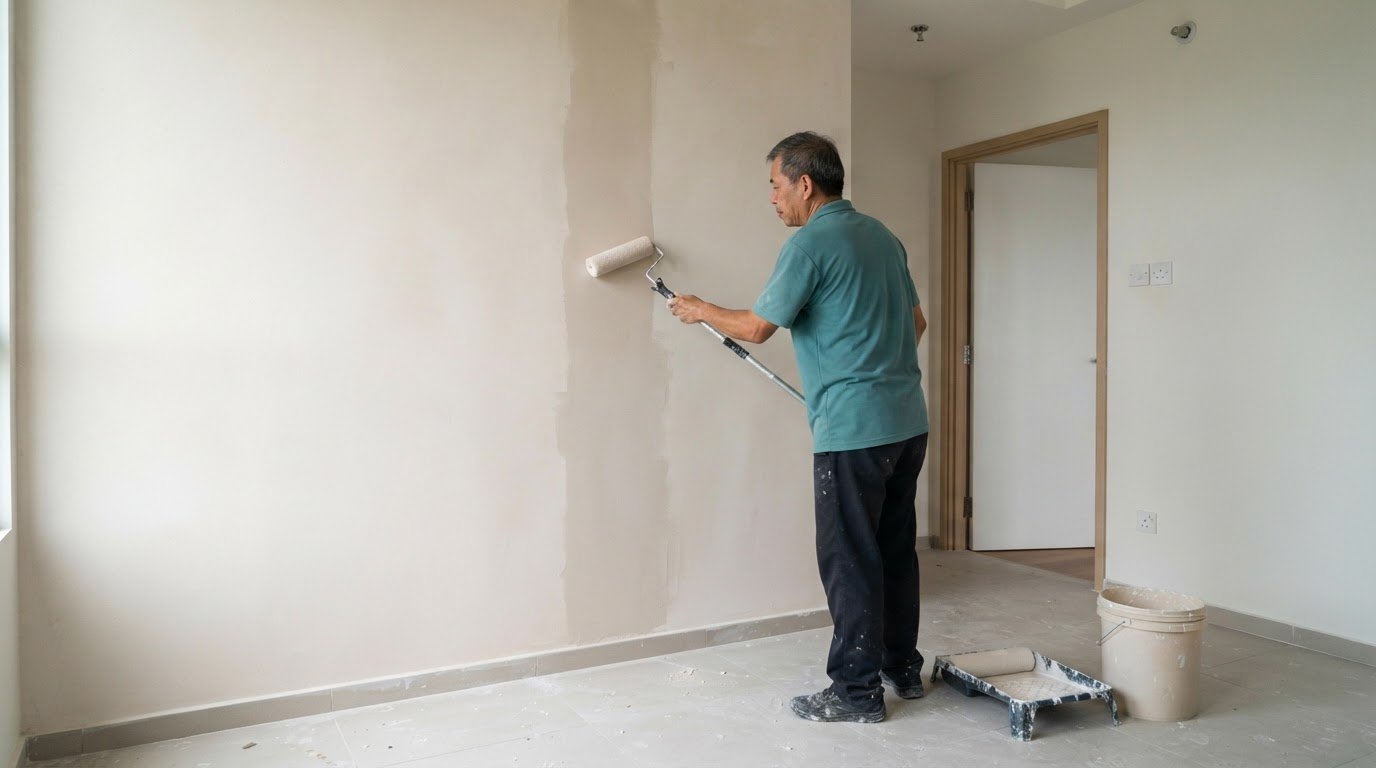
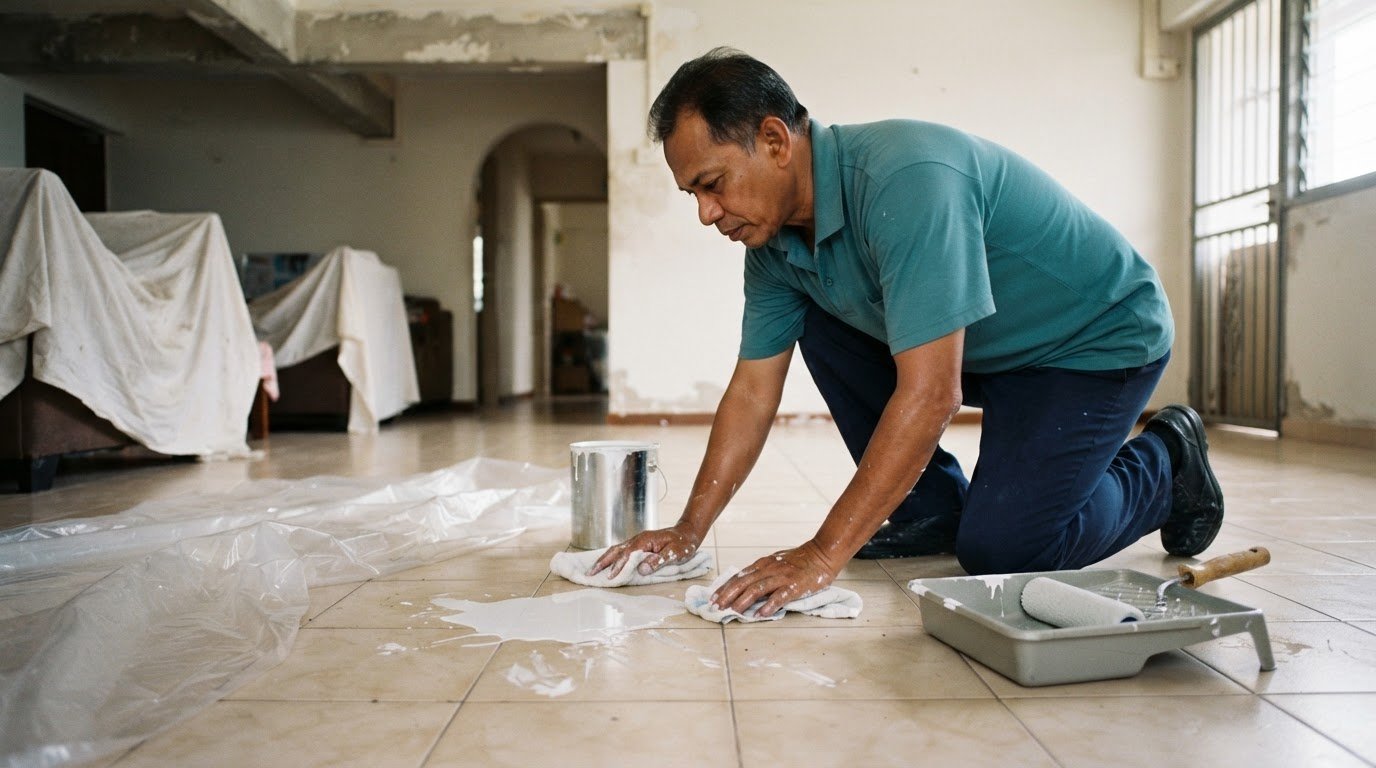
A paint spill, accidental property damage, an injury or stolen equipment can turn a routine job into a serious business setback. That’s why insurance is important for painting contractors in Singapore: suitable cover can help manage specific claims and protect business assets, depending on the policy.
Careful preparation and skilled workmanship help keep a project on track, but they can’t remove every risk on site. Insurance can provide a financial backstop when the unexpected happens and may help contractors meet clients’ requirements before work begins.
This article explains how subcontractor and professional liability coverage may work, what can protect painting tools from damage or theft, and why different policies address different risks. Understanding these distinctions can help you make informed decisions about protecting your work, equipment and the properties in your care.
Key Takeaways
- Subcontractors may not be covered automatically; understand how the policy treats their work and equipment before a project begins.
- Professional liability and workers’ compensation address different risks, so knowing what each policy is designed to cover helps clarify potential gaps.
- General liability may respond to certain client injuries or property damage, while tools stolen or damaged on the job may need separate equipment cover.
- Insurance can help manage unexpected losses and meet client or contract requirements, making coverage an important part of running a painting business.
Can subcontractors be covered under a painting contractor’s insurance policy?
Subcontractors may be covered only if the policy’s terms include them, so don’t assume they’re insured automatically. Contractors can reduce uncertainty by collecting and verifying each subcontractor’s certificate of insurance, then clarifying which work and liabilities the policy covers. A certificate documents insurance, but does not expand coverage by itself.
Coverage should reflect the business’s actual work. A sole painter, a crew handling HDB flats or condos, and a contractor undertaking commercial or exterior projects can face different risks. General liability may address certain third-party injuries or property damage. Equipment cover can protect ladders, sprayers and other tools against theft or accidental damage, including during transport or at a job site, subject to the policy.
To choose suitable business insurance in Singapore, list the work performed, employees and subcontractors, business vehicles, tools and contract requirements. Then compare what each policy covers, its limits, exclusions and excess. HDB and condo projects don’t automatically require a special policy. Consider the site’s risks, access arrangements, client requirements and work involved.
Premiums depend on factors such as crew size, location, and whether projects are residential or commercial, interior or exterior. Accurate business classification matters: describe the actual painting activities and job types, because the insurer uses this information to assess risk and set terms. Auto insurance should also reflect business vehicle use. Business interruption cover may help replace income if a covered event disrupts operations, subject to the policy’s conditions.
Without suitable insurance, a contractor may have to meet covered losses from business funds, and a client or contract may require proof of liability cover before work starts. Read exclusions for tools left unattended, transport damage, subcontractor work and particular project types. Compare coverage limits with the potential cost of a claim, and note whether equipment must be listed separately. Those details show where protection may stop.
Are painting contractors required to carry professional liability insurance?
Professional liability insurance may help a painting business respond to claims that its work failed to meet professional standards or its recommendations caused financial loss. For example, a client might allege that specified paint was unsuitable for a surface, leading to additional repair costs. Coverage depends on the policy’s terms, including exclusions, limits and how it treats the work involved.
In Singapore, a client or contract may require public liability insurance before work begins, including for commercial projects. That requirement is different from a universal legal rule. Professional and public liability insurance also address different claims: one concerns professional work or advice, while the other may respond to certain third-party injuries or property damage.
Workers’ compensation is another consideration for painting crews. A fall from a ladder can leave a worker with medical bills and lost wages. Workers’ compensation insurance can help cover medical expenses and disability benefits for work injuries, subject to the policy. Owners should understand how their cover treats employees and subcontractors, since a subcontractor’s status can affect which policy responds.
Match the policy to the painting business’s actual operations. Record who performs each task, whether crews use ladders, and whether jobs involve residential or commercial properties. Ask how the premium changes with crew size, work type, location and claims exposure. Accurate details matter: an incorrect business classification can affect the premium and how a claim is assessed.
Review commercial auto separately if a vehicle is used for business. Personal auto insurance typically doesn’t cover business vehicle use, while commercial auto may address accidents connected with work driving. Before accepting a project, map each risk to its policy: worker injuries to workers’ compensation, client claims to liability cover, and driving risks to vehicle cover. That makes insurance cost easier to assess against the work being undertaken. For a residential painting project, explore painting project options alongside your coverage planning.
Does painters insurance cover equipment damage and theft?
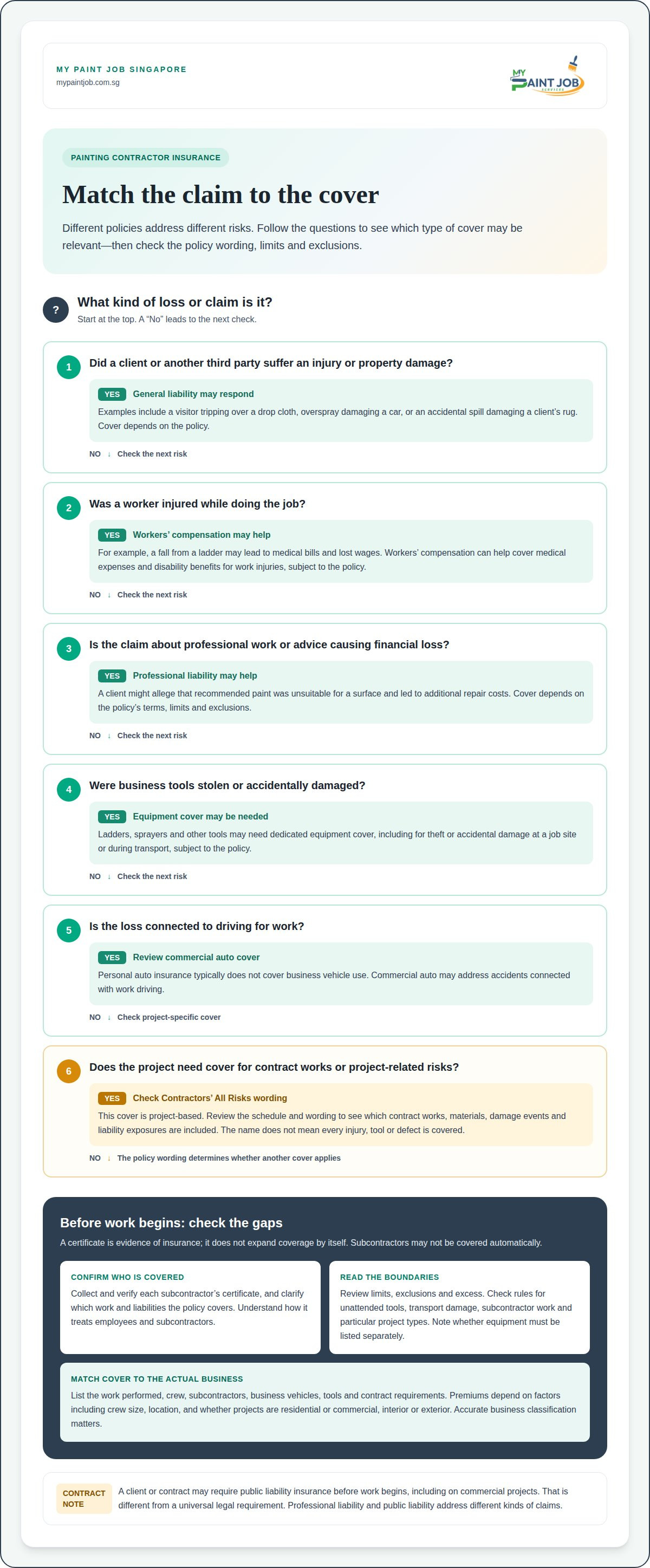
General liability insurance is designed for third-party claims, not every loss a painting business faces. It may cover a client’s bodily injury or property damage caused by the contractor’s work, subject to policy terms. For example, if a visitor trips over a drop cloth and needs treatment, liability coverage may help with the resulting claim, including medical bills.
Overspray is another example. Paint drifting onto a client’s car or neighbouring property can create cleanup costs and a property damage claim. An accidental spill that damages an antique rug could also lead to a claim. These examples show why general liability and equipment protection serve different purposes: one responds to certain third-party losses, while the other protects business tools.
Contractors’ all risks insurance is project-based, so its protection depends on the policy wording and insured project. In Singapore, read the schedule and wording to see which contract works, materials, damage events and liability exposures are included. Don’t assume the name means every injury, item of equipment or defect is covered.
Separate the risks before reviewing policies: client injury and property damage belong under liability cover; stolen or accidentally damaged tools may need dedicated equipment cover. A business owners policy often combines general liability with commercial property coverage. A certificate can provide evidence of insurance, but the policy wording sets the actual coverage and limits. Commercial auto insurance addresses another exposure: accidents connected with business vehicle use.
Equipment coverage for painters may protect tools stolen away from the main work location, damaged in transit or accidentally damaged at a job site. Inland marine insurance is one form of cover used for tools moving between locations. List valuable equipment and review any limits, exclusions, deductibles and location restrictions. A sprayer stolen from a worksite and a ladder damaged during transport are distinct claim scenarios; the policy wording determines whether either loss qualifies. Keep an inventory with descriptions and purchase records to support an equipment claim.
Reasons painting contractors need insurance
A painting job can create several distinct financial risks, even with careful preparation. A visitor might trip over a ladder at the job site, paint could damage flooring, or a worker could fall while reaching a high surface. Liability insurance can help address certain third-party injury and property damage claims, subject to its terms.
Insurance can also keep an accident from becoming a direct business expense. If a paint spill damages a customer’s furniture, the contractor may face repair or replacement costs. A suitable policy can respond to eligible claims, while exclusions, limits and deductibles determine the protection available. A certificate of insurance can show clients that coverage exists, but the policy wording sets its scope.
Employees create another reason to plan coverage. A crew member injured while carrying equipment or working from a ladder may need medical care and time away from work. Workers’ compensation can help cover medical bills and lost wages for eligible work injuries. Contractors should understand how their policies treat employees and subcontractors before assigning duties.
Tools and equipment are essential to daily work, but general liability usually addresses claims from others rather than the contractor’s own property. Dedicated equipment coverage may respond if sprayers or ladders are stolen, damaged at a site or harmed during transport. For commercial teams sourcing heavy-duty lifting gear from providers such as Springwell Industries Pte Ltd, documenting each asset is just as vital as insuring it. Commercial auto insurance can address accidents connected with business driving, which personal auto insurance typically doesn’t cover.
Insurance can also affect whether a project proceeds. A homeowner, managing party or commercial contractor may request a certificate of insurance before allowing work to begin. Review each contract’s requirements, then match the certificate and policy to the work. This is a practical reason insurance is important for painting contractors: it supports project access while helping manage losses from incidents beyond routine workmanship.
Before a job starts, identify who is working, what property and tools are exposed, and how crews travel. Then align liability, employee, equipment and vehicle coverage with those risks. Discuss your painting project plans as you prepare for the work.
My Paint Job Singapore
When you’re planning painting work, My Paint Job Singapore can help bring your project to life. Insurance helps contractors manage certain business risks; the painting service itself is about preparing and renewing the property with care. My Paint Job Singapore provides painting for HDB flats, condos, landed homes and commercial properties, with careful surface preparation and attention to the finish.
Turn to the team when you’re ready to discuss a repaint, whether you’re refreshing a home or planning work for a commercial space. Share the property type and the areas you want painted so the project conversation can focus on your needs.
Contact My Paint Job Singapore to discuss your painting project.
Plan Your Next Project With Confidence
Use what you’ve learned about why insurance is important for painting contractors as a prompt to plan each project thoughtfully. Before work begins, make sure the arrangement between the property owner, contractor and any subcontractors is clear. A well-planned repaint feels more straightforward when the scope, responsibilities and next steps are understood from the outset.
My Paint Job Singapore handles HDB, condo and landed home painting projects. Share the kind of property and the transformation you have in mind, whether you’re refreshing a room or giving the whole home a new finish. Clear project details help shape a practical conversation about the work.
Take the next step when you’re ready. Contact My Paint Job Singapore to discuss your painting project and move toward a refreshed space with confidence.
Frequently Asked Questions
Why is business insurance a must for painters?
Business insurance helps painters manage financial consequences when an accident affects a customer, worker, vehicle or equipment. It can also help satisfy a project contract that asks for proof of cover. Understanding why insurance is important for painting contractors starts with matching policies to actual jobs: repainting a furnished flat, for example, creates different risks from transporting equipment between commercial sites.
Do I need commercial auto insurance for a painting van or truck?
A painting van or truck used for work may need commercial auto insurance because personal auto insurance typically doesn’t cover business use. Consider the vehicle’s role, such as carrying ladders, paint and workers between job sites. Commercial auto coverage may address accidents connected with business driving, including resulting injuries or property damage, subject to its terms. Review vehicle use and policy scope together.
What is a business owners policy (BOP) for painters?
A business owners policy, or BOP, commonly packages general liability with commercial property coverage. For a painting contractor, this combination may address certain third-party claims and damage to insured business property, such as equipment kept at a covered location. It doesn’t automatically cover every tool, job-site loss or professional error. Read the policy’s property definitions, limits and exclusions to understand what the package includes.
How does workers’ compensation insurance apply to painting contractors in Singapore?
Workers’ compensation insurance is designed to help with eligible employee work-injury costs, such as treatment and lost income. For a painting crew, relevant situations could include a ladder fall or an injury while moving materials. Contractors should distinguish employees from independent subcontractors when reviewing who the policy covers. The policy wording explains covered workers, claims procedures and benefits, so those details matter before assigning work.
How much does painting contractor insurance cost in Singapore?
There isn’t one universal premium for every painting business. Insurers may assess crew size, location, the balance of interior and exterior work, and whether projects are residential or commercial. The types of cover, selected limits, claims history and insured tools can also affect the quote. Describe the business accurately and compare the same coverage categories, limits and excesses when assessing policy options.
What risks and claims can insurance protect painting contractors from?
Depending on the policy, cover may respond to a visitor’s injury, paint damaging a customer’s furniture, stolen tools, a work-vehicle accident or an employee injury. Professional liability may address certain claims about advice or work standards. These are separate risks, not one all-purpose claim. For instance, a damaged client rug and a stolen sprayer involve different property interests and may require different policy sections.