A fresh coat can make a worn room feel new, but the wrong paint type can leave you dealing with lingering odor, slow drying, or a finish that does not hold up where it matters. When comparing oil based versus water based paint, the best choice is rarely about one product being universally better. It is about matching the coating to the surface, the room, the condition of the existing paint, and how quickly you need the space back in use.
For most interior walls, modern water-based paint is the practical choice. For selected trim, doors, metalwork, and high-wear surfaces, oil-based or oil-like coatings can still have a role. A professional inspection helps prevent costly guesswork, especially when older surfaces, moisture damage, or multiple existing paint layers are involved.
Oil Based Versus Water Based Paint: The Core Difference
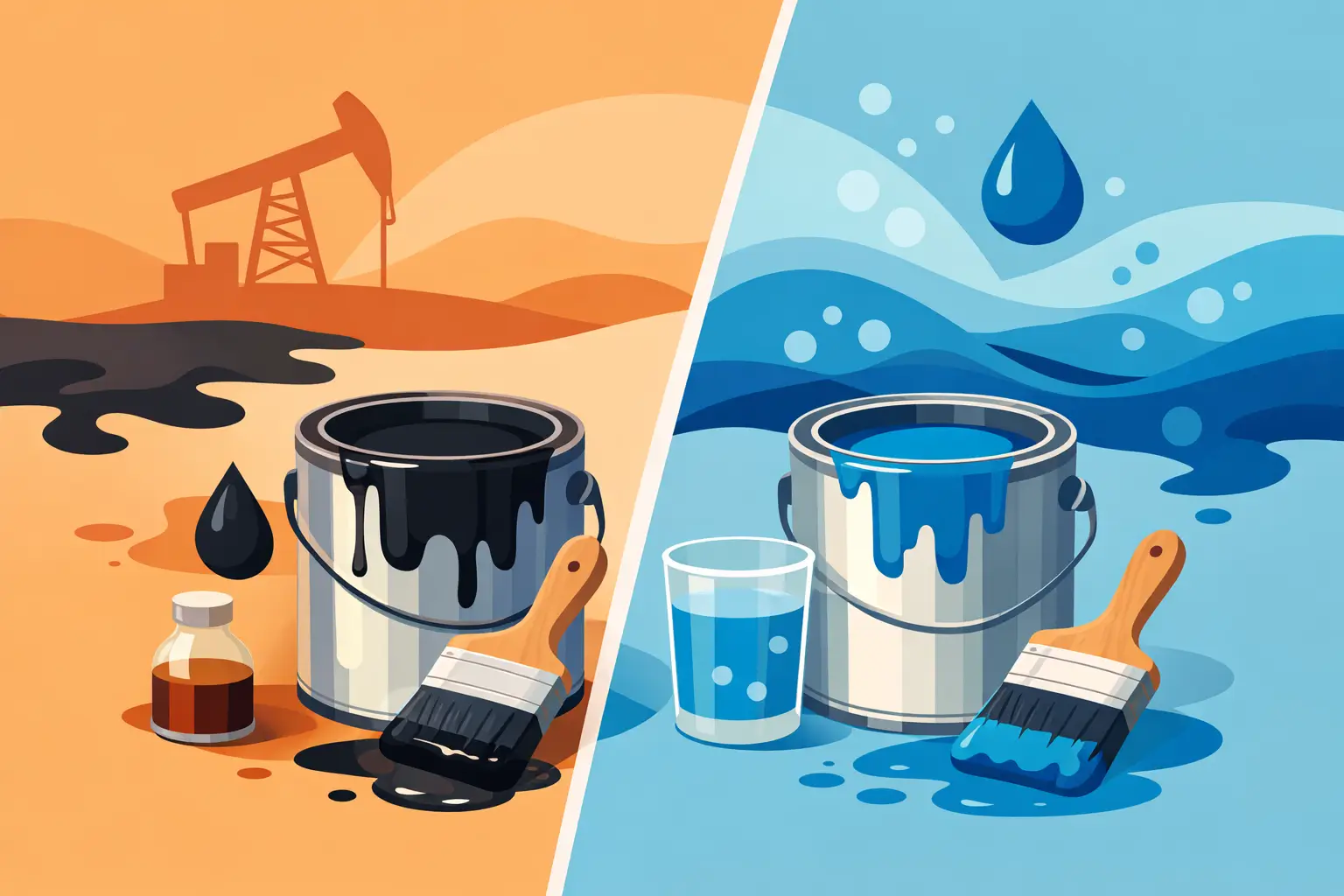
The difference begins with the liquid that carries the pigment and binders. Oil-based paint uses solvents or oil-based resins, while water-based paint uses water as its primary carrier. Once applied, both types dry into a protective film, but they behave very differently during application and over time.
Oil-based paint is known for leveling smoothly. It stays wet longer, allowing brush marks to settle before the coating dries. This can create a hard, polished finish that many people associate with traditional painted woodwork. The trade-off is a stronger odor, longer drying time, more demanding cleanup, and higher levels of volatile organic compounds in many formulations.
Water-based paint, often called latex or acrylic paint, dries faster and has lower odor. It is easier to clean up with soap and water, making it the more convenient option for occupied homes, rental turnovers, offices, and retail spaces. Quality water-based paints have also improved significantly. Many now offer strong adhesion, washable finishes, and excellent color retention without the inconvenience of conventional oil-based products.
Where Water-Based Paint Makes the Most Sense
Water-based paint is usually the preferred finish for interior walls and ceilings. It dries quickly, which allows painters to apply additional coats sooner and reduces the period when a room needs to remain off-limits. For homeowners, this means less disruption. For offices and shops, it can mean a faster return to normal operations.
It is also a sensible choice for bedrooms, living rooms, nurseries, and other spaces where low odor and easier ventilation are priorities. Low-VOC and eco-friendly water-based options are available for customers who want to reduce fumes without compromising on appearance.
Another advantage is flexibility. Building materials naturally expand and contract with temperature and humidity changes. Water-based paint tends to remain more flexible than traditional oil-based paint, helping reduce cracking on many surfaces. It also resists yellowing better, particularly on white or pale-colored walls exposed to limited natural light.
For exterior walls, high-quality acrylic water-based paint is often a dependable choice because it handles sun exposure, rain, and movement in the substrate well. The key is proper surface preparation. Paint cannot correct peeling layers, chalky walls, cracks, or water intrusion beneath the surface.
Best uses for water-based paint
Water-based paint is generally well suited to drywall, plastered walls, ceilings, masonry, and previously painted interior surfaces. It is also a practical choice for projects with tight schedules, including move-in touch-ups, rental refreshes, and commercial repainting where downtime must be kept low.
The finish can range from flat to high gloss. A matte or eggshell sheen works well on walls, while satin and semi-gloss finishes offer greater washability for kitchens, corridors, bathrooms, and high-touch areas.
When Oil-Based Paint Is Still Worth Considering
Oil-based paint remains valued for its hard finish and smooth appearance on certain detailed surfaces. Traditionally, it has been used on doors, baseboards, window frames, cabinets, railings, and decorative woodwork. Its longer open time can help create an even finish on trim with profiles, grooves, and edges.
It can also provide strong resistance to scuffs and wear after full curing. That makes it useful in areas where surfaces receive regular contact, such as doors, metal gates, and selected wood features. However, the finish is only as durable as the preparation beneath it. Loose paint, rust, grease, dust, and dampness must be addressed before any topcoat is applied.
There are important limitations. Oil-based paint often requires mineral spirits or another appropriate solvent for thinning and cleanup. It can release stronger fumes during and after application, so ventilation and careful site protection are necessary. It also takes longer to dry, which increases the risk of dust settling into the fresh finish or accidental marks from early contact.
For many projects, a water-based enamel or hybrid trim paint can provide a more convenient alternative. These products are designed to offer a smoother, tougher finish than standard wall paint while maintaining easier cleanup and lower odor. The right choice depends on the surface condition and the performance you expect.
Durability Is About More Than the Paint Type
Customers often ask which option lasts longer. The honest answer is that durability depends on the surface, the paint system, and the preparation work as much as the paint base itself.
A premium water-based paint applied over a clean, dry, properly primed wall can outlast a poorly applied oil-based coating. Similarly, an oil-based topcoat on a door may fail early if it is painted over old peeling layers or if the door is exposed to recurring moisture.
Before painting, a skilled team checks for issues that can affect the finish: hairline cracks, mold staining, efflorescence, rust, uneven plaster, damp patches, and failed caulking. Repairs may involve patching, sanding, sealing stains, treating mold, removing loose material, or applying a suitable primer. These steps take time, but they are what produce a clean, lasting result.
Do not skip compatibility checks
Painting over an existing coating requires care. Water-based paint can often be applied over sound oil-based paint, but the surface usually needs thorough cleaning, sanding, and a bonding primer first. Without proper preparation, the new coat may scratch, peel, or separate from the old finish.
Oil-based paint can also be applied over some existing water-based finishes, but it is not automatically the best approach. A professional painter will test the existing surface and recommend a compatible primer and topcoat system rather than relying on assumptions.
Drying Time, Curing Time, and Project Planning
Water-based paint may feel dry within a few hours, while oil-based paint can take much longer. But dry to the touch is not the same as fully cured. Curing is the period when the paint develops its final hardness and resistance to cleaning, impact, and moisture.
This matters most for doors, cabinets, trim, and other surfaces that are handled frequently. Closing a freshly painted door too soon or cleaning a new wall aggressively can damage the finish even when it appears dry.
For an occupied property, water-based paint usually supports a smoother schedule. Rooms can be painted in stages, ventilation needs are lower, and recoat times are typically shorter. Oil-based work requires more planning around fumes, drying conditions, and access restrictions. In commercial settings, that extra downtime may not be practical unless the performance benefit is clear.
Choosing the Right Finish for Each Surface
Rather than choosing one paint type for an entire property, consider the job surface by surface. Walls and ceilings generally benefit from water-based paint because of its low odor, fast turnaround, and wide range of washable finishes. Trim and doors may call for water-based enamel, hybrid coatings, or oil-based paint depending on the desired smoothness, existing finish, and level of wear.
For metal grills and gates, rust treatment and the correct metal primer are often more important than whether the topcoat is oil- or water-based. For wood varnishing, the decision shifts from paint to clear protective coatings, where appearance, grain visibility, moisture exposure, and maintenance requirements all matter.
Bathrooms, kitchens, and other moisture-prone areas need coatings that can withstand humidity and regular cleaning. If there are active leaks, damp walls, or recurring mold, those underlying problems should be resolved first. Painting over them only hides the issue temporarily.
A Professional Finish Starts Before the First Coat
The best paint can still look disappointing if furniture is not protected, surfaces are not repaired, edges are poorly cut in, or cleanup is rushed. A managed painting service should handle the practical details: inspecting the site, advising on color and sheen, moving or protecting furnishings, preparing surfaces, applying the chosen system correctly, and leaving the space clean.
At My Paint Job, the focus is on recommending a practical coating system for the condition of your property and the way you use it. That may mean a quick-drying, low-odor water-based finish for an occupied apartment, or a tougher specialty coating for doors, metalwork, or high-traffic commercial areas.
The right choice between oil-based and water-based paint should make your space easier to live or work in, not harder to maintain. Start with the surface, plan for the conditions it faces, and choose a finish that will still look good long after the paint smell is gone.