Scrubbing your walls too soon is the single most common cause of paint failure for homeowners. You’ve just completed a fresh HDB or condo painting project, and seeing a dark scuff from moving furniture is understandably frustrating. It’s natural to want that mark gone immediately, yet the fear of wiping away the color or leaving a permanent watermark is very real. We understand that your home is an investment in your personal style, and you deserve a finish that stands the test of time. In this guide, you’ll learn professional techniques for how to clean newly painted walls while ensuring the surface remains untouched by accidental damage.
Achieve a pristine, mark-free environment by mastering the subtle art of surface maintenance. We will walk you through the essential difference between drying and curing times, as well as the specific, non-toxic tools required for a safe clean. This overview covers everything from identifying the right cleaning agents to implementing the gentle touch used by industry experts. Master these specialized methods to ensure your property stays in safe, capable hands. Follow these steps to keep your home looking its best without the stress of logistical mishaps.
Key Takeaways
- Understand the critical difference between paint drying and curing to avoid accidental peeling. Wait at least two to four weeks before applying any moisture to the surface.
- Discover the professional secret of how to clean newly painted walls using soft cellulose sponges and mild, pH-neutral cleaners.
- Implement a dry-dusting phase before washing to remove abrasive particles that can scratch your fresh finish.
- Use the two-bucket method to ensure a streak-free result while maintaining the integrity of the paint film.
- Safeguard your home’s aesthetic long-term by managing humidity levels and applying felt pads to furniture backs to prevent scuffs.
The Waiting Game: Why You Must Wait Before Cleaning New Paint
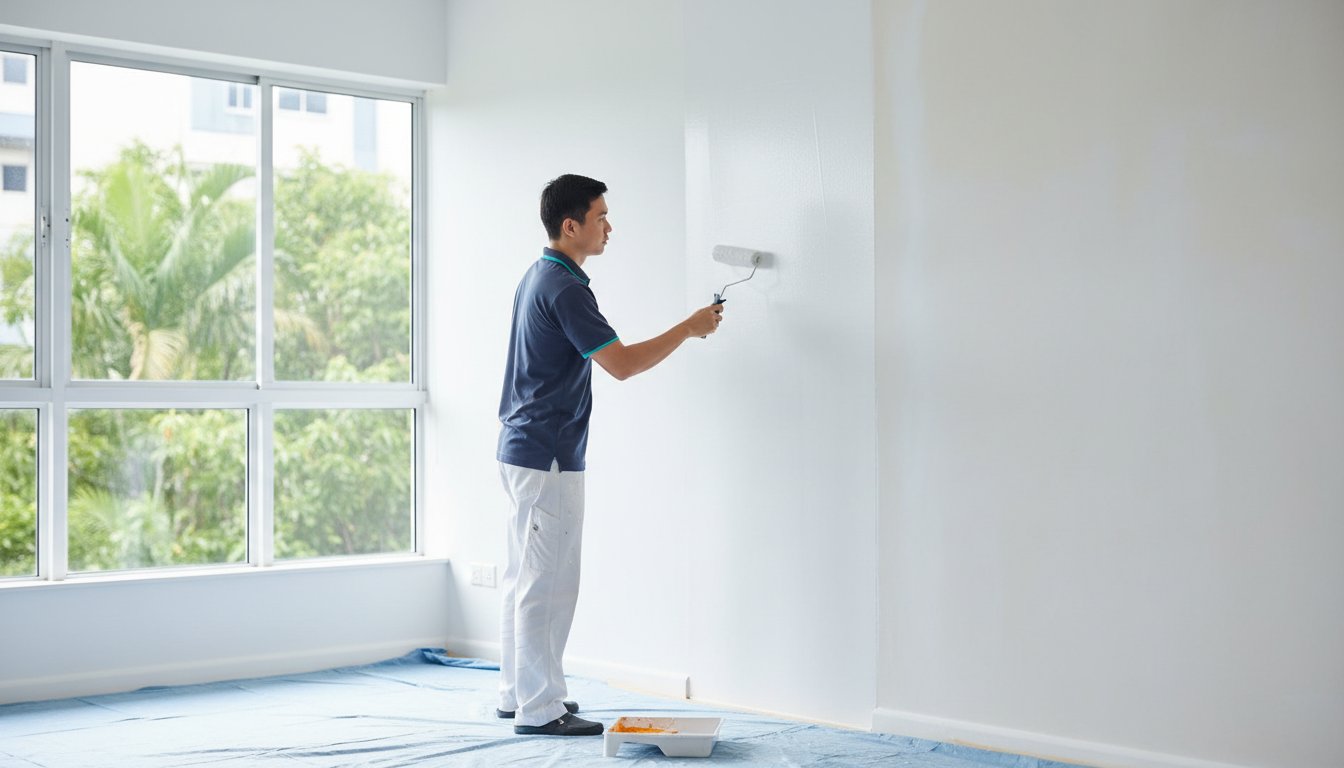
Patience is the most difficult part of any home transformation. While your new HDB or condo walls might feel dry to the touch just a few hours after the final coat, the internal structure is still in flux. Many homeowners make the mistake of scrubbing a scuff too early, only to find they’ve permanently ruined the sheen. Learning how to clean newly painted walls begins with understanding that “dry” is not the same as “cured.”
Dry to the touch happens when the liquid solvents evaporate from the surface, usually within two to four hours. It’s safe to walk past or hang a light picture, but the paint remains soft and vulnerable. Fully cured, however, is a chemical transformation that takes 21 to 30 days. During this window, the paint resins fuse together to create a hard, protective film that can actually withstand moisture and friction.
In Singapore, our local climate plays a significant role in this timeline. High humidity levels often exceed 80 percent, which means moisture in the air prevents the paint from releasing its own water content quickly. We recommend a strict 30-day “no-touch” period for all premium latex and acrylic paints to ensure the finish reaches its maximum durability. Protecting your investment requires this initial restraint to avoid costly touch-ups later.
The Science of Paint Curing
The paint curing process is a sophisticated chemical reaction where solvents evaporate and resins fuse into a continuous, solid layer. If you attempt to wash the surface before this bond is complete, you risk burnishing. This occurs when friction from a cloth compresses the soft, uncured resins, leaving behind permanent shiny spots that catch the light and ruin the uniform matte or eggshell aesthetic. Wait for the chemistry to finish its work so your investment stays protected.
Building Your Cleaning Arsenal: Safe vs. Dangerous Tools
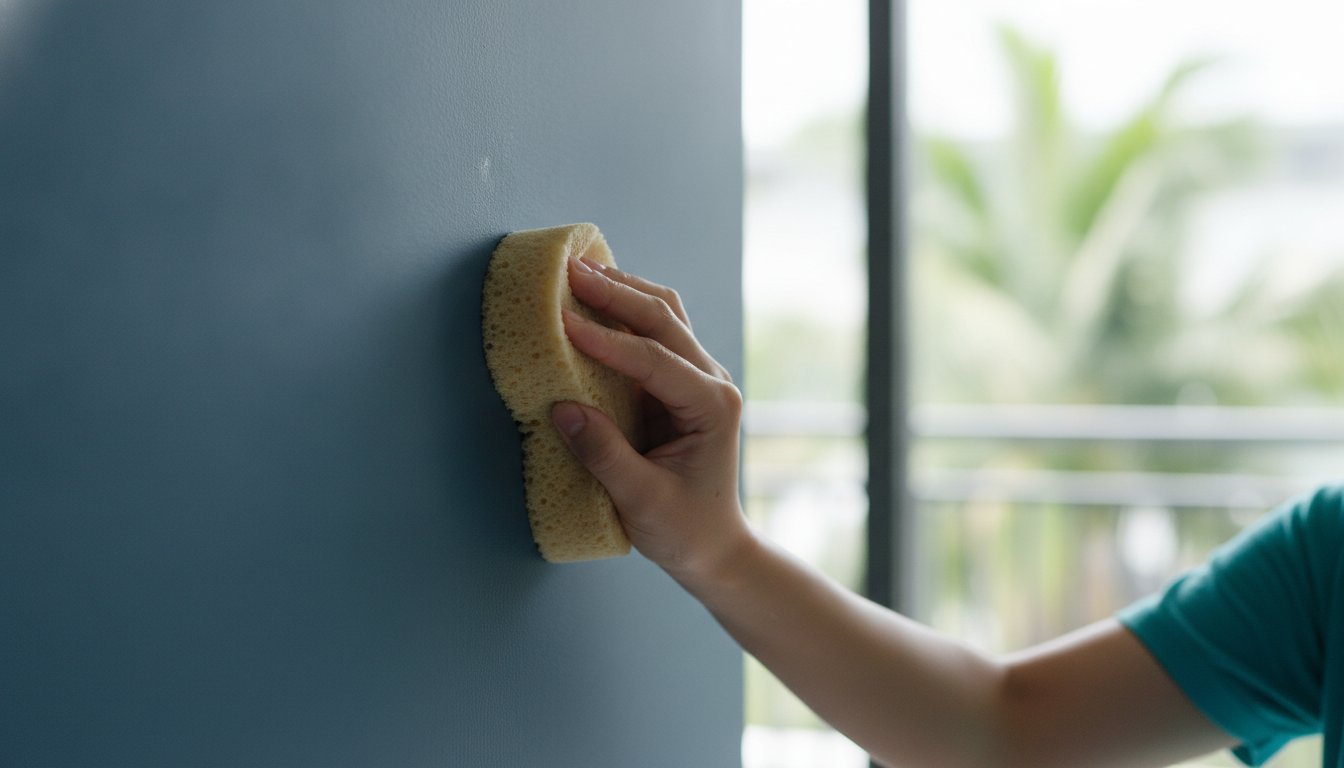
Maintaining a high-standard result requires more than just patience; it requires a specific set of tools that protect the delicate resins you’ve just allowed to cure. Using the wrong material can lead to micro-scratches that dull the finish over time. When considering how to clean newly painted walls, your first choice should always be a high-quality microfiber cloth or a soft cellulose sponge. These materials are designed to lift debris without grinding it into the surface, ensuring your property stays in safe, capable hands.
Many homeowners reach for “natural” solutions like white vinegar or lemon juice, believing they’re safer for the environment. However, these are highly acidic and can actually dissolve the binders in your paint. You must also avoid common household abrasives that act like sandpaper on your fresh aesthetic. Prohibited items include:
- Stiff-bristled brushes: These will leave visible tracks and gouges in the paint film.
- Scouring pads: Even the “non-scratch” variety is often too aggressive for new acrylic finishes.
- Ammonia-based cleaners: These chemicals are far too harsh and frequently cause permanent discoloration or “fading” spots.
- Melamine sponges: Often marketed as “magic” erasers, these are actually ultra-fine abrasives that will strip the sheen right off your wall.
If you’ve encountered stubborn marks from moving furniture into a new space, don’t panic. Our experts in HDB painting services often see walls damaged by over-eager cleaning, so we always advise a conservative approach first to protect your investment.
Why pH-Neutral Soap is King
A simple, pH-neutral clear dish soap is the most effective solution for modern paints. Harsh degreasers break down the chemical bonds that hold the pigment to the wall, leading to a patchy appearance. To create a safe cleaning solution, mix approximately one teaspoon of clear dish soap into one liter of warm water. This ratio provides enough lubricity to lift oils and dust without leaving a sticky residue that attracts more dirt later. Always test a small, inconspicuous area near the skirting board before proceeding with the full wall.

Step-by-Step: The Professional Gentle Wipe Technique
Dry dusting is the essential first step that most homeowners overlook. Before any moisture touches the surface, use a vacuum with a soft brush attachment or a static duster to remove loose particles. Skipping this step is a mistake because it often creates mud-streaks that are far more difficult to remove than the original dust. Once the surface is clear of debris, you can move on to a more thorough clean.
Adopt the professional two-bucket method to maintain a pristine finish. Fill one bucket with your mild soap solution and a second with clear, lukewarm water for rinsing. This system ensures you aren’t just moving dirt around the wall. Dip your microfiber cloth into the soapy water and wring it until it’s barely damp. You should never allow water to drip or run down the wall surface; excess moisture can seep into the paint film and cause bubbling or permanent watermarks.
Work from the bottom of the wall up toward the ceiling. While this feels counterintuitive, it’s a vital technique for protecting your investment. If soapy water drips down onto a dry, dirty wall, it can leave permanent vertical streaks that are nearly impossible to buff out. By starting at the bottom, any drips will land on a surface that is already wet and clean, allowing them to be wiped away without leaving a trace. Mastering how to clean newly painted walls requires this systematic, bottom-up approach.
Spot Cleaning Tough Scuffs
For isolated marks, use a gentle blotting motion rather than a vigorous scrubbing action. Scrubbing creates heat and friction that can alter the paint’s texture or sheen level. Always test your damp cloth on an inconspicuous area, such as behind a door, to ensure no color transfer occurs. If a mark persists after two gentle attempts, stop immediately. Over-cleaning will eventually strip the pigment and leave a faded spot. If you encounter a stain that won’t budge, contact our specialists for professional condo painting services to restore your home’s aesthetic with technical accuracy.
Long-Term Maintenance: Protecting Your Home’s Masterpiece
Preserving the artistic integrity of your home requires a proactive maintenance strategy that extends far beyond the initial curing period. While you now understand how to clean newly painted walls without causing damage, preventing marks before they occur is the most efficient way to protect your investment. Maintain a resilient finish by managing humidity levels within your living space. In Singapore’s tropical climate, excessive moisture can lead to mold growth even on premium surfaces; utilize dehumidifiers or ensure proper ventilation during the rainy season to keep the paint film dry and stable.
Avoid mechanical damage by addressing how your furniture interacts with your walls. Apply adhesive felt pads to the back of wardrobes, sofas, and chairs to create a soft buffer against the paint. This simple solution prevents the friction that causes deep scuffs and structural indentations. Additionally, schedule a brief yearly wall check to inspect for minor hairline cracks or signs of moisture seepage near window frames. Identifying these issues early allows for targeted structural repairs before they compromise the entire room’s aesthetic. For expert restoration and long-term care, consult our guide on professional house painting services to keep your property in safe, capable hands.
When Cleaning Isn’t Enough
Recognize the signs of paint failure that a simple wash cannot fix. If you notice chalking, which is a fine white powder on the surface, or visible peeling and flaking, the paint has reached the end of its functional lifespan. These symptoms often indicate that the underlying binders have broken down due to UV exposure or age. When these structural issues arise, cleaning can actually worsen the damage by stripping away the remaining pigment. Secure a fresh, high-standard start for your home by engaging our specialized HDB painting services. We provide bespoke solutions that reflect your individual style while ensuring technical accuracy from the very first coat.
Secure Your Home’s Lasting Aesthetic
Maintaining a fresh finish requires a blend of patience and technical accuracy. By respecting the 30 day curing window and choosing pH neutral tools, you protect the structural integrity of your paint film. Mastering how to clean newly painted walls ensures your environment remains pristine without the risk of permanent burnishing or fading. Remember to always begin with a dry dust and utilize the two bucket method to achieve a streak free result that reflects your individual style.
If you’ve encountered stubborn damage or feel it’s time for a professional renewal, we are here to help. With over 10 years of experience across HDB, condo, and landed properties in Singapore, we provide expert results and include a meticulous post project clean up with every service. Book a professional touch up or a fresh paint job with My Paint Job Singapore today to ensure your property stays in safe, capable hands. We look forward to helping you transform your living space with certainty and care.
Frequently Asked Questions
How long should I wait before cleaning newly painted walls?
You should wait at least 30 days before attempting a full wash on your walls. While the surface feels dry to the touch within hours, the internal resins require several weeks to reach their maximum hardness and chemical resistance. Cleaning too early can lead to permanent surface damage or shiny burnish marks. Patience is the most effective tool for protecting your investment and ensuring a long lasting result.
Can I use a Magic Eraser on new paint?
Avoid using Magic Erasers or melamine sponges on any freshly painted surface. These products are actually ultra fine abrasives that act like sandpaper, stripping away the paint’s sheen and pigment. Even a light touch can leave a dull, faded spot that catches the light and ruins the uniform aesthetic of your home. Stick to soft microfiber cloths and gentle blotting motions to preserve the professional finish we provide.
What is the best soap for washing painted walls?
The most effective solution for how to clean newly painted walls is a simple, pH neutral clear dish soap mixed with warm water. Avoid harsh degreasers or acidic cleaners like vinegar, as these chemicals can dissolve the binders in the paint film. Use a ratio of one teaspoon of soap per liter of water. This creates enough lubricity to lift oils and dust without leaving behind a sticky residue.
How do I remove grease stains from new kitchen paint?
Remove grease stains by gently blotting the area with a damp cloth soaked in a mild soapy solution. Kitchen environments often face stubborn splatters, but aggressive scrubbing will only push the oils deeper into the porous paint. Apply the solution, let it sit for a minute to break down the grease, and then wipe it away with a clean, damp sponge. If the stain persists, consider a professional touch up to restore the wall’s pristine appearance.
Why does my paint come off when I try to wipe it?
Paint typically comes off during wiping because it hasn’t finished the curing process or the surface was poorly prepared before application. If the paint wasn’t allowed to cure for the full 30 days, the film remains soft and easily soluble in water. In other cases, underlying moisture or old chalky paint can prevent proper adhesion. If you see significant peeling, it’s a sign that the surface requires professional attention to ensure a durable, safe result.