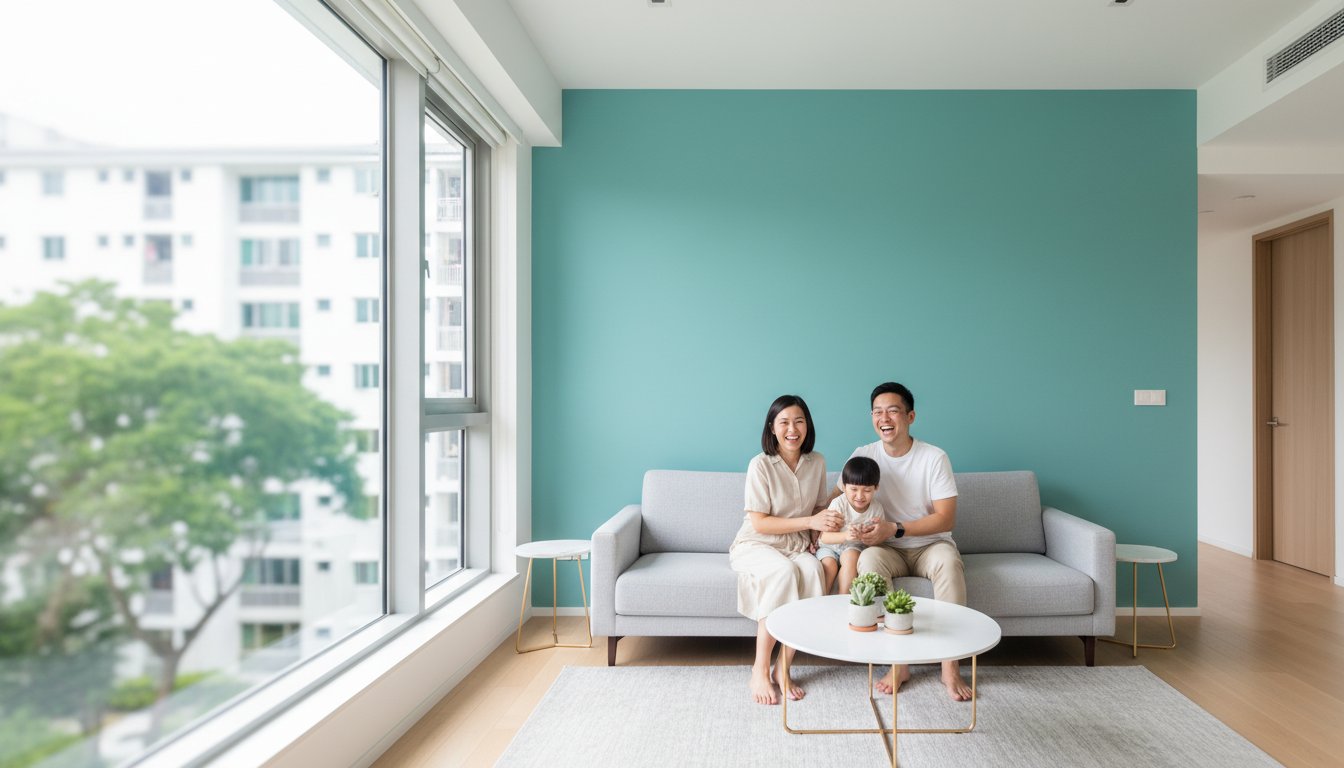

A freshly painted room can make a home feel cleaner, brighter, and more intentional – but only when the finish holds up after the furniture is moved back and daily life resumes. Quality interior wall painting is not simply a matter of applying a new color. It depends on sound surface preparation, the right paint for the space, careful protection of the property, and skilled application that leaves walls smooth rather than streaky.
For homeowners, tenants, landlords, and business owners, professional painting removes the uncertainty from a project that can quickly become disruptive. From color selection through final cleanup, the goal is straightforward: a polished result, completed efficiently, with no corners cut behind the scenes.
Why Interior Wall Painting Is a Surface Project First
Paint is the visible layer, but the wall beneath it determines whether the result looks refined or rushed. Small cracks, nail holes, peeling patches, stains, and uneven plaster can all show through fresh paint. In some cases, a wall may look acceptable under soft lighting but reveal every flaw once a lighter shade is applied.
That is why proper assessment comes before choosing a paint color. A professional painter checks for loose paint, moisture marks, damaged areas, and surface movement. Minor defects can often be repaired with filling and sanding. Larger issues, such as deteriorated plaster, recurring water stains, or spalling concrete, need to be addressed before painting begins. Covering a problem may improve the appearance briefly, but it rarely produces a durable finish.
Preparation also protects the paint system itself. Clean, dry, properly primed walls help paint adhere evenly. Without this foundation, even premium paint can blister, peel, or develop patchy sheen sooner than expected.
Choosing the Right Paint Color and Finish
Color changes how a room feels, but it also changes how practical the room is to maintain. Bright white can make a compact space feel open, while warm neutrals create a calmer backdrop for furniture and artwork. Deep tones can add character to a feature wall, office, or retail setting, though they demand more precise preparation because imperfections are often more visible.
Lighting matters just as much as the paint swatch. A color that appears soft gray in daylight may look cooler under LED bulbs or warmer under yellow-toned lighting. Before committing, test a sample on the actual wall and observe it at different times of day. This simple step can prevent an expensive color correction later.
The paint finish should match the function of the room. Flat or matte finishes offer a soft, modern appearance and are useful for ceilings or walls with minor surface variation. However, they can be less forgiving when frequent cleaning is needed. Eggshell and satin finishes are popular choices for living areas, hallways, and bedrooms because they balance subtle sheen with easier maintenance. Semi-gloss is typically better suited to trim, doors, kitchens, and other high-touch surfaces.
There is no single best finish for every property. A household with young children, pets, or active entertaining needs may benefit from washable, stain-resistant paint in high-traffic zones. A quiet bedroom or low-use office may prioritize a softer, lower-sheen look instead.
The Preparation Steps That Protect Your Home or Business
A professional-looking result comes from the work that happens before the first coat is rolled. Reliable interior painting teams organize the space so the project remains controlled, clean, and efficient.
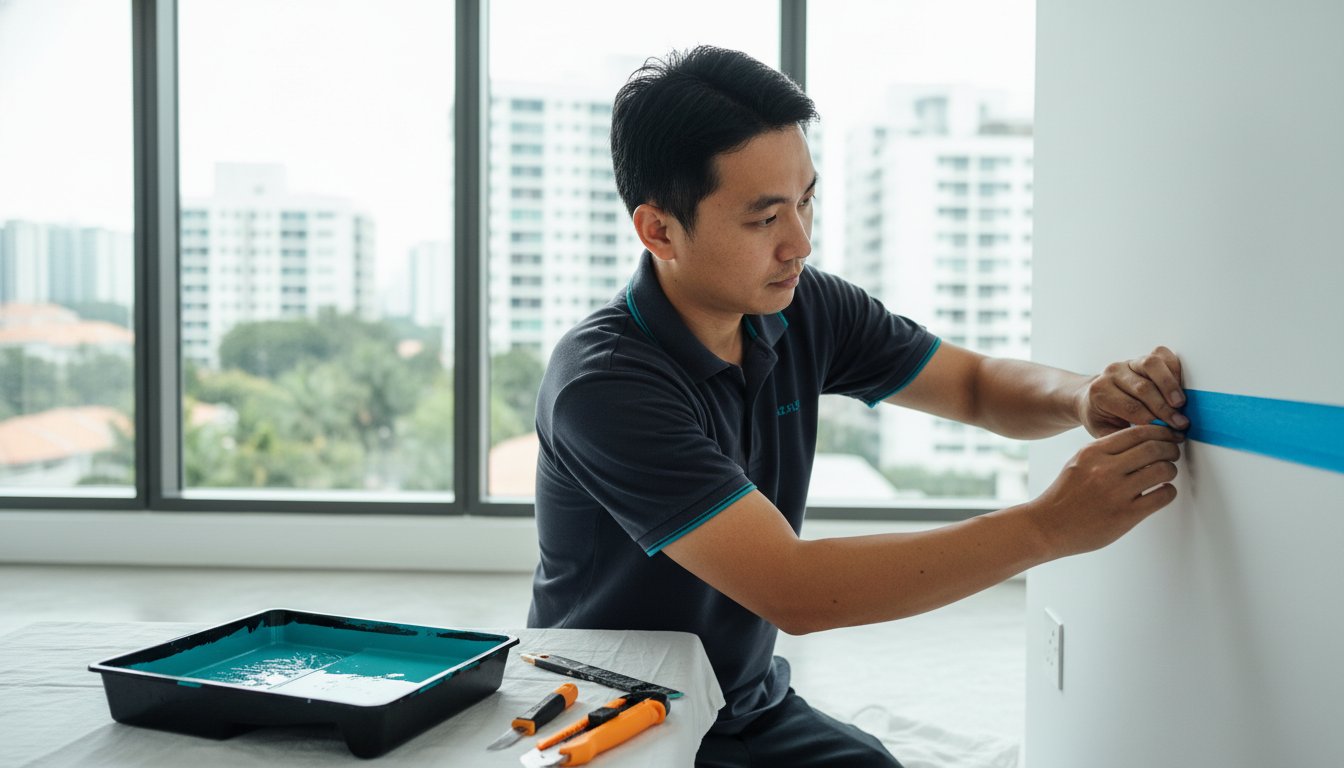
Furniture is moved or covered, floors are protected, and fixtures or surfaces near the work area are masked carefully. This is especially valuable in furnished homes, occupied offices, retail spaces, and rental properties where damage or paint splatter creates unnecessary stress.
Walls are then cleaned to remove dust, grease, and surface contaminants. Nail holes, hairline cracks, and small dents are filled and sanded. Areas with repaired plaster or major color changes may require primer to create an even base. Primer is not always necessary on every wall, but skipping it where it is needed can lead to uneven coverage, flashing, or a finish that absorbs paint inconsistently.
Cutting in along ceilings, corners, switches, and trim requires steady control. Large wall areas are then rolled methodically to maintain a consistent texture. Adequate drying time between coats matters as well. Rushing this stage can compromise coverage and make touch-ups more noticeable.
Planning for Low-Disruption Painting
Painting an occupied property requires more than technical skill. It requires a plan that respects the people using the space.
For a home, that may mean organizing the work room by room so daily routines can continue. For a rental unit, it may involve coordinating around move-in or move-out dates. For offices and shops, scheduling becomes even more important. Work may need to be completed in phases, after business hours, or on a compressed timeline to limit interruption to staff and customers.
Express painting can be a practical option when a property must be refreshed quickly for handover, inspection, opening day, or a new tenant. The trade-off is that fast scheduling still cannot replace proper drying times or necessary repair work. A dependable contractor will be clear about what can be completed quickly and what needs additional time for a result that lasts.
Low-odor and eco-friendly paint options are also worth considering for occupied interiors. These can help reduce unpleasant smells and make it easier to return a room to use after painting. Product choice should still be based on the area being painted, desired durability, and the condition of the wall – not on marketing claims alone.
When a Repaint Is Not Enough
Fresh paint can transform a room, but it cannot permanently hide structural or moisture-related damage. If paint repeatedly bubbles near a window, stains reappear after every repaint, or plaster feels soft and crumbly, the source of the issue needs attention first.
The same applies to major cracking, concrete deterioration, and areas affected by past leaks. Repairs may involve plastering, sealing, or concrete restoration before the wall can be painted properly. This approach may add cost at the beginning, but it avoids paying twice for a finish that fails prematurely.
A careful inspection also helps distinguish normal wear from a repair concern. Small scuffs and isolated nail holes are common maintenance issues. Widespread peeling, persistent dampness, and powdery wall surfaces are signals that a more thorough solution is required.
What to Expect From a Professional Painting Service
The best painting experience is clear from the beginning. A contractor should assess the spaces involved, discuss colors and finishes, identify repair needs, explain the scope of work, and provide a transparent quote. This gives property owners a realistic picture of timing, materials, and expected results before work starts.
During the project, workmanship should be paired with careful site management. That means protecting furniture and flooring, maintaining a tidy work area, applying paint evenly, and checking the finish under proper lighting. At the end, cleanup is not an afterthought. The room should be handed back ready to enjoy, lease, work in, or welcome customers.
At My Paint Job, that managed approach is central to the service: skilled preparation, quality materials, careful application, and attention to the details clients should not have to chase. Whether the project is a single bedroom, a full apartment refresh, or a commercial space on a tight schedule, the standard should remain the same.
A Finish Worth Living With
Interior walls take more contact than most people realize. They collect fingerprints in hallways, chair marks in dining areas, moving scuffs in rental units, and everyday wear in busy offices. Choosing a painting solution based on preparation, appropriate materials, and workmanship helps the finish stay attractive long after the paint odor has faded.
If your walls are ready for a change, begin with an honest assessment of their condition and how the space is used. A thoughtful paint plan turns a simple refresh into a finish that feels clean, polished, and built for everyday life.