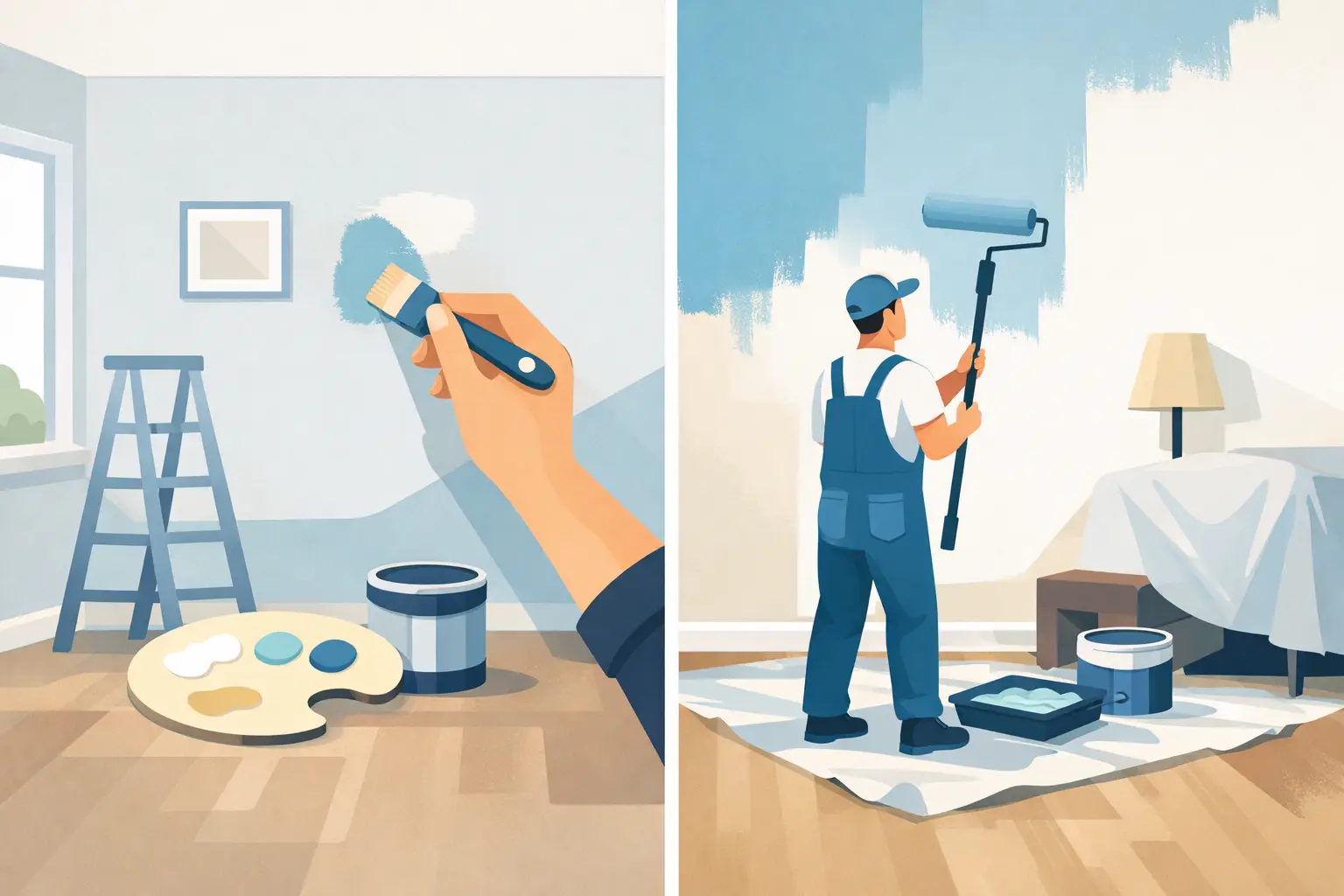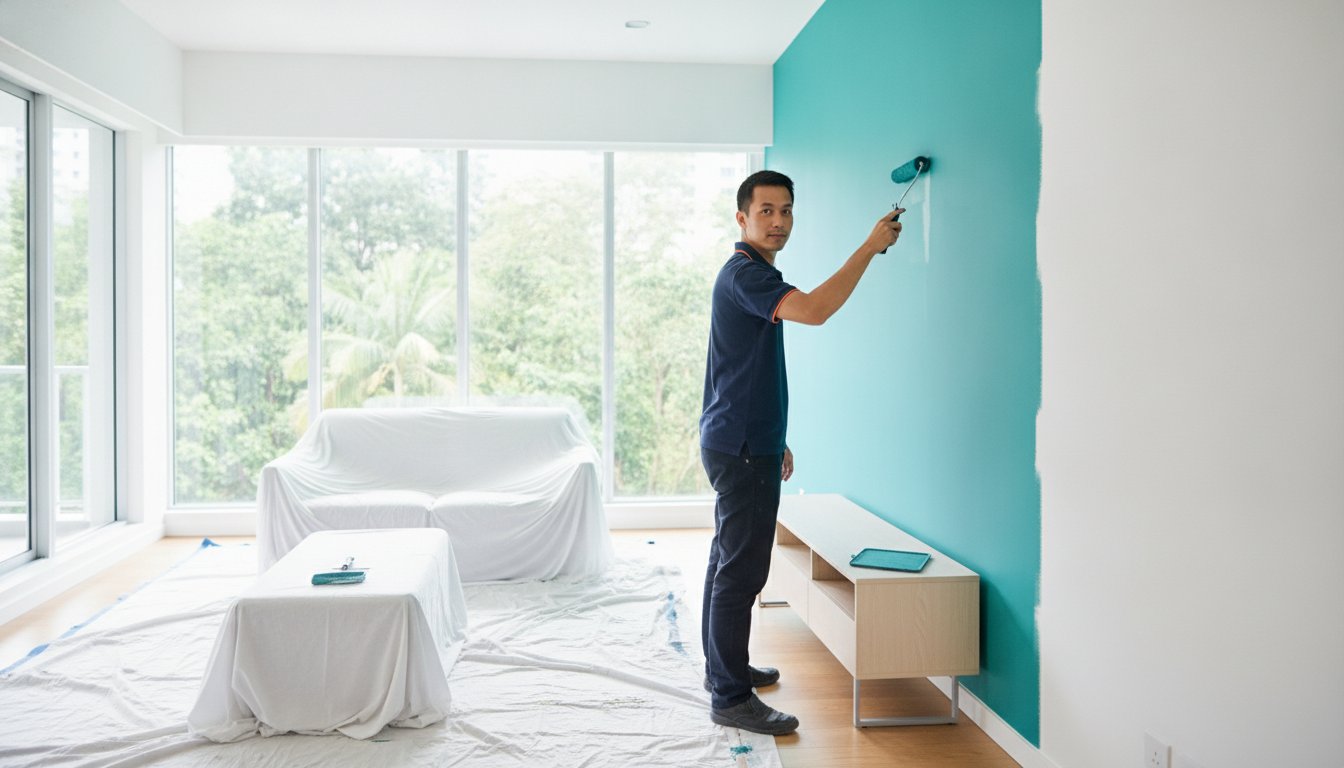

You can clear your weekend, move a few chairs, and buy fresh paint – then realize the real question is not the color. It is timing. If you are asking how long does house painting take, the honest answer is that most projects take anywhere from 1 day to 2 weeks, depending on the size of the property, the condition of the walls, and how much prep work is needed before the first coat goes on.
That wide range is exactly why timing matters. Homeowners want to know how long they need to live around covered furniture and drying walls. Landlords want fast turnover between tenants. Office and retail managers want the job done with minimal disruption. A professional painting schedule should feel organized, realistic, and carefully managed from inspection to cleanup.
How long does house painting take for most homes?
For a standard apartment or small home interior, painting often takes 1 to 3 days. A larger condo or landed property can take 4 to 7 days, and sometimes longer if repairs are involved. Exterior painting usually takes more time because weather, access, and surface preparation all affect the schedule.
If the walls are in good condition and the scope is straightforward, the work moves quickly. If there are cracks, peeling paint, water stains, spalling concrete, wallpaper removal, or heavy patching, the timeline extends because those steps cannot be rushed without affecting the final finish.
The biggest mistake people make is assuming painting starts when the crew opens the paint cans. In reality, a professional job includes site protection, minor repairs, surface preparation, primer when required, multiple coats, drying time, touch-ups, and cleanup. That is where the quality shows.
What affects how long house painting takes?
Size is the most obvious factor, but it is not the only one. A compact two-bedroom unit with clean walls may take less time than a smaller property with damaged surfaces and dark existing colors that need extra coats.
Wall condition matters more than many people expect. Hairline cracks, uneven plaster, chalky surfaces, and moisture issues can all slow progress because they need proper treatment first. Skipping those steps may save a few hours upfront, but it often leads to peeling, poor coverage, or visible defects later.
The number of coats also changes the schedule. A simple refresh in a similar shade is faster than switching from deep red to white, or covering stains with a primer and finish coats. Premium paints may offer better coverage, but drying and recoating times still need to be respected.
Access is another major factor. Empty homes are faster to paint than occupied ones. In lived-in spaces, painters need time to move and protect furniture, work around daily routines, and keep the site safe and clean. For commercial spaces, timing may depend on whether work happens after hours, in phases, or around operating schedules.
Then there is manpower. A well-staffed professional team can complete a project much faster than a small crew, but speed should still be balanced with proper prep and inspection. Fast execution only works when the process is disciplined.
Interior painting timeline by property type
A single room can often be completed in one day if the walls are sound and the paint system is simple. A one-bedroom apartment may take 1 to 2 days. A two- or three-bedroom condo or HDB flat often takes 2 to 4 days. Larger executive apartments and landed homes can take 5 days or more, especially when ceilings, doors, trim, and feature walls are included.
These are useful planning ranges, not fixed promises. An occupied home with careful furniture shifting and room-by-room painting may take longer than an empty unit of the same size. On the other hand, an express service can reduce downtime when the scope is clearly defined and the surfaces are ready.
Ceilings, trims, grills, and gates can also add time. They require more detailed work than broad wall surfaces. Wood varnishing takes its own preparation and drying cycle, so it should never be treated like standard wall painting.
Exterior painting usually takes longer
Exterior house painting is more exposed to delays because weather controls part of the schedule. Even when the work area is prepared, rain and high humidity can interrupt drying and reduce adhesion if painting continues under poor conditions.
The exterior surface itself is often more demanding. Dirt, mildew, old flaky paint, and cracks need to be cleaned and repaired first. Some homes also require scaffold access or careful work at height, which adds setup time before painting begins.
For a smaller exterior repaint, expect several days. For a larger landed property or a property with repair work, a week or more is more realistic. Good exterior painting is about protection as much as appearance, so proper prep should never be compressed just to finish faster.
Prep work is what protects the finish
If you want to understand why one project takes a day and another takes a week, look at the preparation. Covering floors, moving furniture, masking edges, repairing cracks, sanding rough areas, and priming problem spots are what give the topcoat a smooth, durable base.
This is also why quote comparisons can be misleading. Two contractors may both say they can paint your house, but one may include complete prep and cleanup while another is only pricing the visible coat. A shorter timeline can sound attractive until touch-ups, patchy coverage, or paint failure show up later.
A dependable contractor will explain the sequence clearly. Inspection comes first, then prep, then paint application, then checks and cleanup. That level of planning gives property owners peace of mind because there are fewer surprises during the job.
How to shorten the painting timeline without sacrificing quality
The best way to speed things up is to make the site ready. Remove fragile items, clear small furniture where possible, and confirm your color choices before work starts. Last-minute changes slow everything down, especially if new paint needs to be mixed or extra coats are suddenly required.
It also helps to be clear about the scope from the beginning. If you want walls only, that is one schedule. If you also want ceilings, doors, plaster repair, wallpaper removal, or electrical touch-ups, those should be planned together rather than added halfway through.
Professional teams can also phase the work intelligently. In homes, that may mean finishing bedrooms first so the family can continue using part of the space. In offices and retail units, it may mean off-hours work or section-by-section painting to reduce business disruption.
If timing is urgent, ask whether express painting is appropriate for your property. It can be an excellent option for tenant turnover, sale preparation, or business deadlines, but it works best when the condition of the surfaces supports a faster schedule.
When delays are actually a good sign
No one likes hearing that a project needs an extra day. Still, some delays are responsible decisions. If a wall repair has not dried fully, if weather affects an exterior job, or if a stain needs additional sealing, pushing ahead too quickly usually creates bigger problems.
A professional contractor should be able to explain why the extra time is needed and what it protects you from. That is very different from poor planning. The goal is not just to finish fast. It is to finish well, with a clean result that lasts.
For most property owners, the right question is not only how long does house painting take. It is also whether the schedule includes the work needed for a proper finish. When timing, workmanship, and site management are handled together, the project feels smoother from start to finish.
At My Paint Job, that is the standard customers expect – clear timelines, careful preparation, quality workmanship, and a team that handles the details without creating extra stress. If you are planning a repaint, the smartest next step is to get the property assessed properly so the timeline matches the real condition of the space, not just the square footage.
A fresh coat of paint changes a room quickly, but the best results come from a schedule that respects both speed and craftsmanship.