Concrete ceilings and walls are meant to feel solid and dependable. When pieces begin to crack, flake, or fall away, the issue can quickly become more than an appearance concern. This guide to spalling concrete repairs explains what property owners should look for, why prompt action matters, and what a professional repair should include for a safe, smooth, paint-ready result.
What Spalling Concrete Looks Like
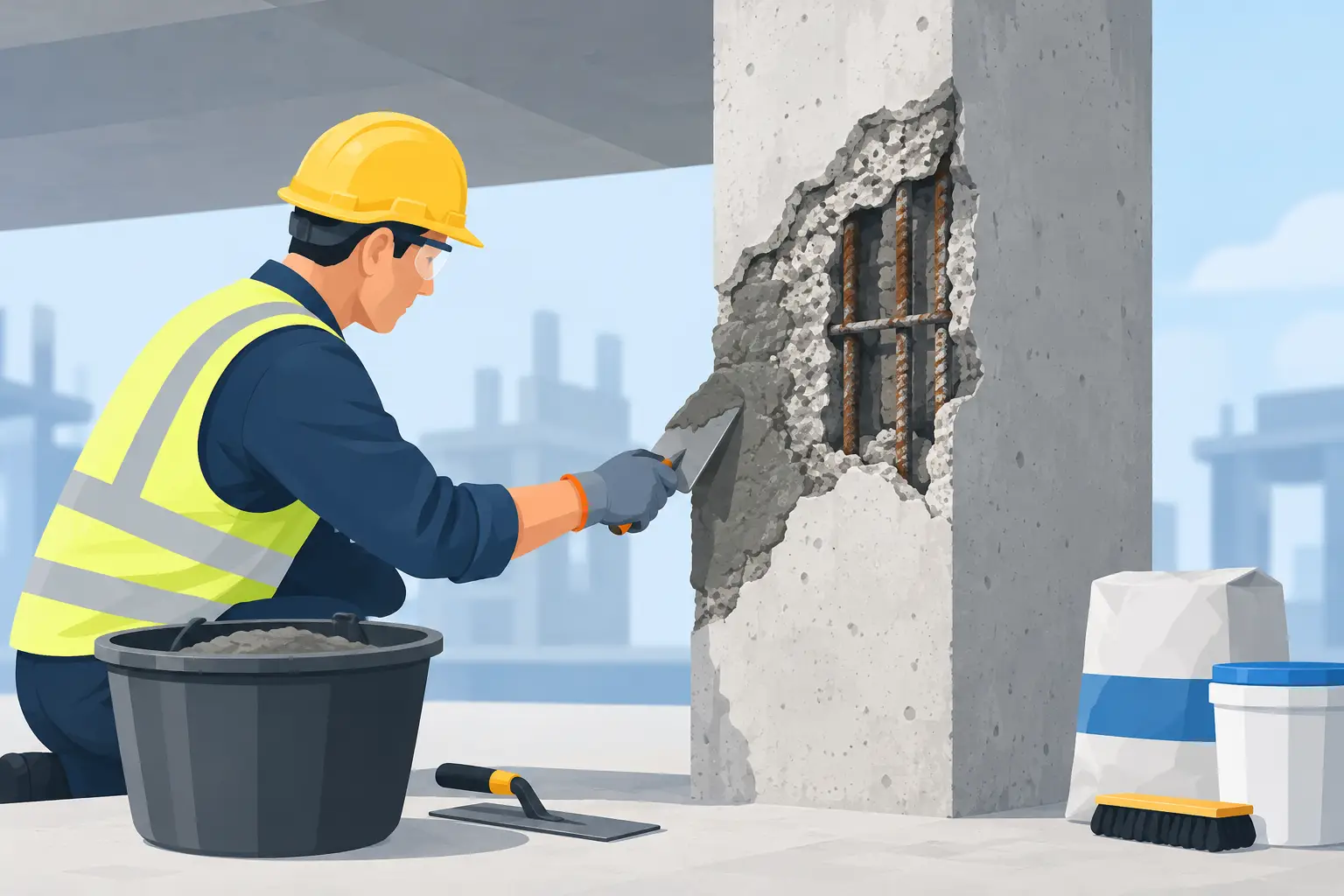
Spalling is the term used when the surface of concrete breaks away. It may begin as hairline cracks, bubbling paint, rusty stains, or a hollow sound when the area is tapped. Over time, small patches can loosen and expose the steel reinforcement bars inside the concrete.
In apartments and commercial spaces, spalling is commonly found on ceilings, beams, balconies, bathroom areas, and exterior walls. A homeowner may first notice a rough patch above a window or loose concrete around a ceiling crack. In a workplace, it may appear in car parks, corridors, service areas, or building facades exposed to rain and heat.
Do not assume that repainting over the damage will solve it. Fresh paint can improve the appearance briefly, but it cannot bond unstable concrete back to the surface or stop corrosion underneath.
Why Concrete Spalls
Concrete is durable, but it is not completely waterproof. Moisture can slowly enter through cracks, porous surfaces, leaking pipes, failed waterproofing, or exposed exterior areas. When water reaches the reinforcing steel within the concrete, the steel begins to corrode.
As steel rusts, it expands. That expansion pushes against the surrounding concrete until the surface cracks and breaks away. Singapore’s humid climate, frequent rain, and constant temperature changes can accelerate this process, particularly in older buildings or areas with repeated water exposure.
Other contributing causes include poor original concrete compaction, inadequate concrete cover over steel bars, impact damage, and past repairs that were not properly prepared. The visible damaged patch may be small, but the affected area behind it can be wider. That is why a careful inspection is the first step, not an optional extra.
When Spalling Concrete Needs Immediate Attention
Any loose concrete overhead should be treated seriously. Even a small falling piece can damage furniture, injure someone, or create a liability issue in an occupied home, office, or retail space.
Arrange an assessment as soon as possible if you see exposed or rusting steel bars, active water stains, widening cracks, recurring bubbling paint, or concrete fragments on the floor. Property managers should also act quickly when damage appears in common areas, walkways, entry points, or places used by customers and staff.
The right response depends on the location and extent of the damage. A contained surface repair may be suitable for a small, dry patch with limited corrosion. Larger areas, repeated spalling, or signs of structural movement may require further evaluation by a qualified building professional before cosmetic work begins. A responsible contractor should be clear about that distinction rather than promising a quick cover-up.
The Professional Spalling Concrete Repair Process
A lasting repair is built on preparation. The goal is not simply to fill a hole. It is to remove unsound material, address corrosion, rebuild the surface correctly, and protect the repaired area with an appropriate finish.
1. Inspect the area and protect the space
The work begins with a visual check of the damaged concrete and nearby surfaces. Professionals look for cracking, hollow areas, moisture marks, and signs that the reinforcement steel is affected. They also identify practical concerns such as ceiling height, occupied rooms, furniture, electrical fixtures, and business operating hours.
Before repair work starts, floors, furniture, and surrounding finishes should be protected. Dust control matters, especially in occupied homes, offices, and retail environments. Proper site preparation keeps disruption low and makes cleanup more efficient once the repair is complete.
2. Remove loose and damaged concrete
All weak, cracked, and delaminated concrete must be removed until the remaining surface is sound. This may involve carefully chiseling back the damaged area beyond what is immediately visible. Stopping at the edge of the visible crack can leave compromised concrete in place and shorten the life of the repair.
The area is then cleaned thoroughly to remove dust, debris, and loose particles. A clean, stable substrate gives repair materials the bond they need to perform properly.
3. Treat exposed reinforcement steel
If steel bars are exposed, they need attention before new repair mortar is applied. Rust and loose scale are removed, then a suitable anti-corrosion treatment is applied to help protect the steel from further deterioration.
This is one of the most important stages of spalling concrete repair. Filling over untreated rust can trap the underlying problem rather than resolve it. The repair may look smooth at first, only for cracks and stains to return later.
4. Rebuild the concrete profile
Once the substrate and steel are prepared, a compatible cementitious repair mortar is applied in controlled layers. The material should suit the size, depth, and orientation of the damaged area. Ceiling repairs, for example, need a product and application method that can hold securely overhead without sagging.
The repaired section is shaped to match the surrounding wall or ceiling. After it has cured properly, the surface is skimmed or plastered as needed to create an even finish. This careful leveling makes a visible difference once paint is applied.
5. Prime and repaint for protection
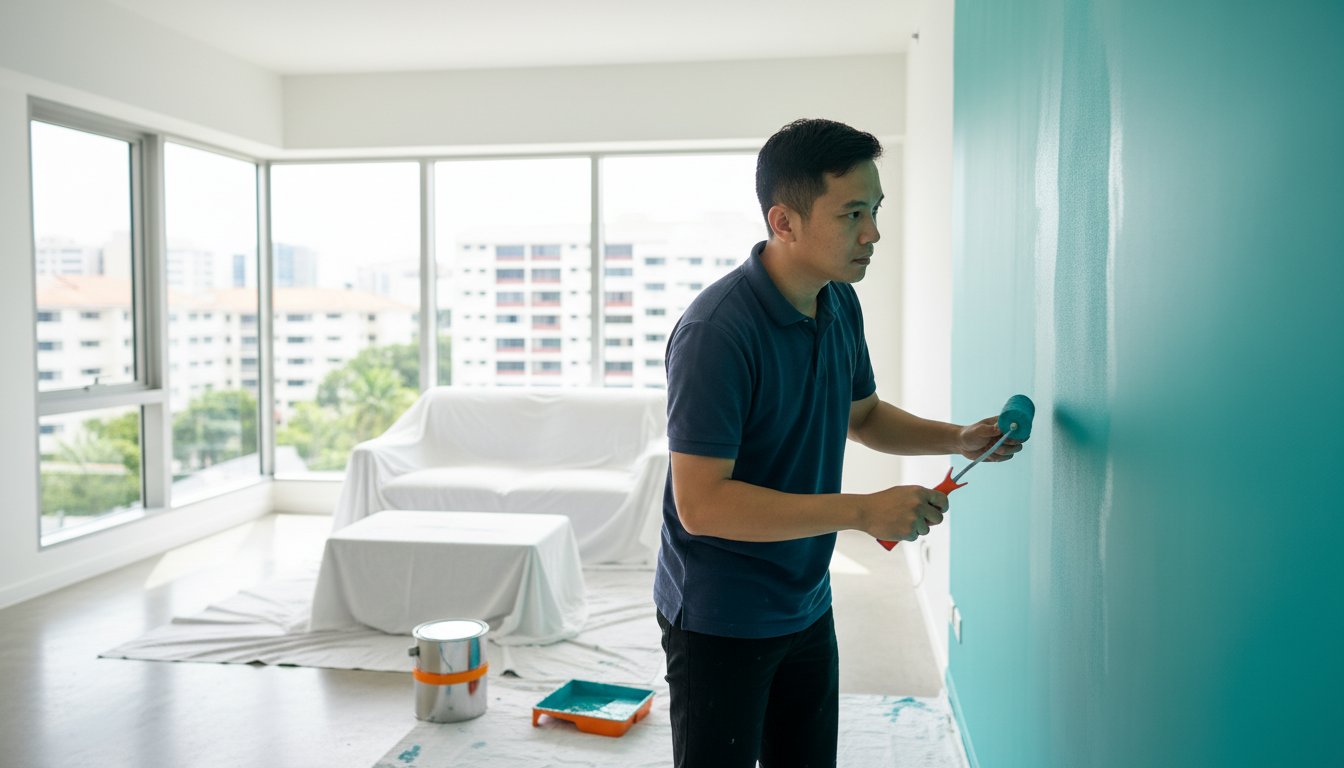
A repair is only complete when the surface is properly sealed and finished. After adequate curing and surface preparation, primer is applied to promote adhesion and create a consistent base. Quality paint then provides a clean appearance and an added layer of surface protection.
For bathrooms, balconies, exterior walls, and other moisture-prone areas, the paint system should be selected with the environment in mind. The right finish helps the repaired surface stay cleaner and look better for longer, but it cannot replace waterproofing repairs where active leaks remain.
Address the Water Source Before It Returns
The most common reason spalling reappears is that the original moisture source was never fixed. If a ceiling repair sits below a leaking bathroom, pipe, balcony, or exterior wall, the repair may fail again despite excellent workmanship.
Look for clues such as damp patches after rain, staining around plumbing lines, mold growth, peeling paint, or damage concentrated beneath a wet area. In some cases, the source is obvious. In others, it may require coordination with a plumber, waterproofing specialist, building management team, or the property owner above.
For landlords and commercial operators, documenting the condition before and after repairs can also help clarify responsibilities and support maintenance planning. Resolving the cause may add time or cost upfront, but it is usually more affordable than repairing the same ceiling twice.
What Affects the Cost of Spalling Concrete Repairs?
Spalling repair costs vary because no two damaged areas are exactly alike. The size and depth of the affected patch matter, as does the amount of corroded steel, ceiling access, moisture damage, and the finishing work required afterward.
A small wall repair in an accessible room will generally be more straightforward than multiple ceiling patches in a furnished apartment or an active office. Projects can also require additional protection, after-hours scheduling, scaffold access, waterproofing coordination, or repainting of a larger surrounding area to achieve a uniform finish.
The lowest quote is not always the best value if it skips steel treatment, proper curing, surface protection, or cleanup. Ask what materials will be used, whether damaged concrete will be removed to a sound base, how exposed steel will be treated, and whether the quote includes final plastering and painting. Clear scope prevents surprises and helps you compare proposals fairly.
Choosing a Contractor for Spalling Concrete Repair
Choose a team that treats the repair as both a building-maintenance issue and a finishing project. You want skilled preparation, tidy work practices, clear communication, and a surface that blends naturally with the rest of the room once completed.
For occupied properties, convenience also matters. A dependable contractor should plan protection for furniture and floors, manage dust and debris responsibly, work around reasonable access needs, and leave the area clean after the job. For businesses, scheduling should minimize disruption without rushing the essential curing and preparation stages.
My Paint Job provides spalling concrete repair and surface finishing with a practical, end-to-end approach, from site assessment and protection through repair, plastering, painting, and cleanup. A clear quotation and careful workmanship give property owners confidence that the visible problem is being handled properly.
If you have noticed cracked concrete, rusty stains, or falling fragments, do not wait for the area to worsen. A timely inspection can turn an uncertain surface issue into a clean, durable repair that restores confidence in your space.