A handover inspection can turn small wall marks into a costly discussion if they are left until moving day. This guide to apartment handover repainting helps tenants, landlords, and property managers prepare the right way: inspect early, repair visible damage properly, and leave the home clean and presentable without paying for work that is not needed.
Start With Your Lease and the Current Condition
Before choosing a paint color or booking a painter, review the handover clauses in your lease agreement. Some rentals require tenants to return the unit in its original color, while others only require a reasonably clean condition after normal wear and tear. The distinction matters. Faded paint from everyday living is different from deep scratches, crayon marks, unauthorized wall colors, smoke staining, or damage caused by adhesive hooks.
If you have move-in photos, compare each room against them. Pay close attention to high-contact areas: entryways, corridors, behind dining chairs, around switches, near windows, and the walls behind beds or sofas. These are the places where fingerprints, scuffs, and furniture rub marks tend to appear.
It is also wise to clarify whether the landlord expects a full repaint or touch-ups. A complete repaint creates a more uniform finish, but it may not always be necessary. If only one wall has damage, a well-matched repair can be the more affordable choice. On the other hand, spot painting can look patchy when the existing paint has faded or the original color is unknown.
Inspect Before You Move Furniture Out
Do a room-by-room inspection at least two weeks before handover. Waiting until the apartment is empty can reveal damage you did not notice, but it leaves little time to arrange repairs or allow paint to dry fully.
Walk through the unit in daylight where possible, then turn on the lights to catch uneven sheen, hairline cracks, and shadows from dents. Take clear photos of every concern. This gives you a practical work list and a useful record of the unit’s condition before work begins.
Look beyond the main walls. Door frames, baseboards, ceilings, window ledges, grills, gates, and built-in cabinets may also need attention. In humid spaces such as bathrooms and kitchens, check for peeling paint, mold spots, water stains, or bubbling surfaces. These signs can point to moisture issues that repainting alone will not solve.
If there is evidence of a leak, active dampness, or spalling concrete, address the source and the damaged surface before applying fresh paint. Painting over a problem may make the unit look better for a short time, but the failure usually returns and can complicate the handover.
Apartment Handover Repainting Starts With Surface Repair
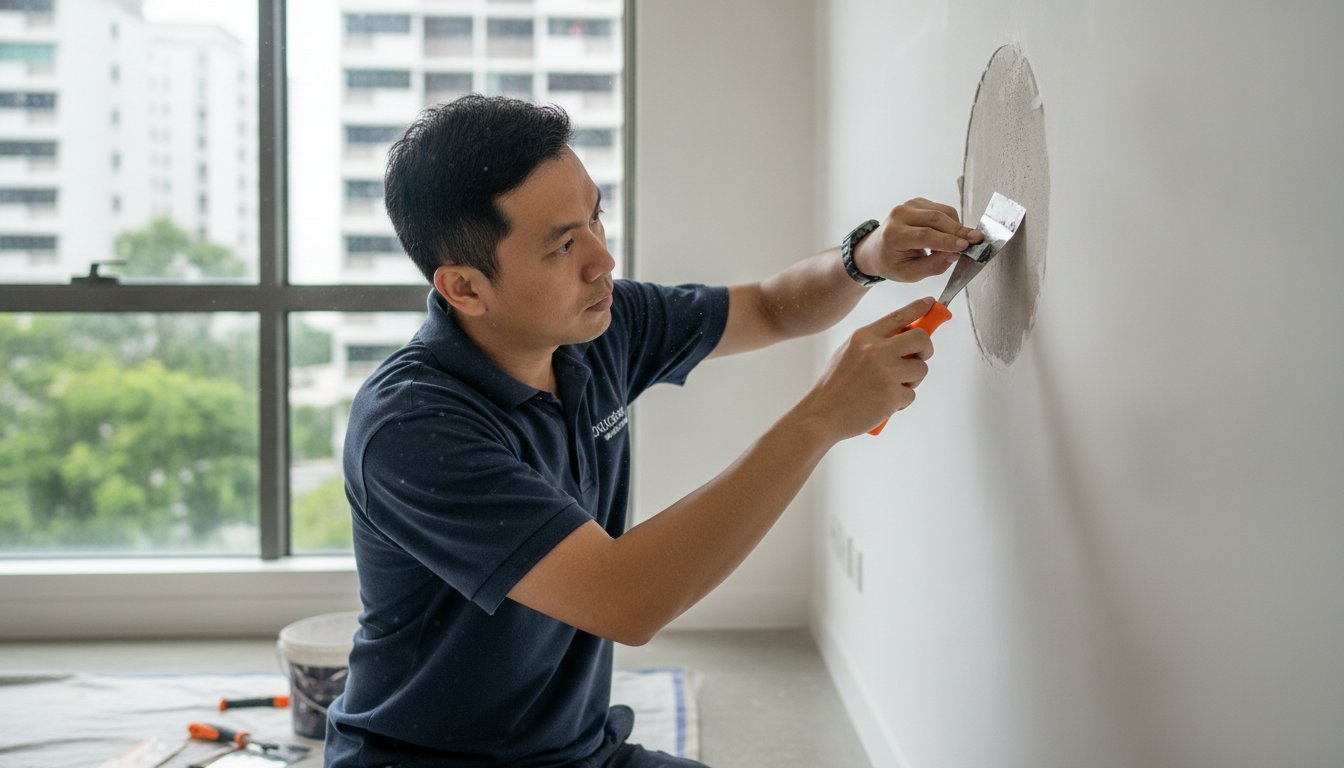
A polished paint job depends on preparation, not simply the final coat. Proper repainting begins by cleaning dusty or greasy surfaces, removing loose paint, filling holes, smoothing cracks, and sanding repairs so they blend into the surrounding wall.
Small nail holes from picture frames are usually straightforward to patch. Larger anchors, wall plugs, chipped corners, and dents from furniture need more careful filling and leveling. If the repair is not smooth before paint is applied, it will often be more noticeable afterward, especially under bright lighting.
Old tape, stickers, and adhesive residue deserve special care. Pulling them off quickly can remove paint or damage the plaster beneath. Wallpaper removal can also expose uneven areas that require patching and primer before repainting. A professional assessment helps determine whether a wall needs simple touch-up work, skim coating, or more extensive plaster repair.
For ceiling stains, first identify whether the cause was condensation, a past leak, or a current plumbing issue. A stain-blocking primer may be needed to prevent discoloration from bleeding through fresh paint. This is one area where using the correct system makes a visible difference.
Match the Paint, Finish, and Scope of Work
Color matching is often the hardest part of a partial repaint. Even if you know the original color name, the existing wall may have changed slightly due to sunlight, cleaning, and age. Paint finish matters as well. A flat finish, eggshell finish, and satin finish reflect light differently, so an otherwise correct color can still stand out.
When exact matching is uncertain, repainting the entire affected wall is usually more reliable than painting one small patch. For multiple marked walls, repainting the whole room may provide better value and a more consistent result. The right scope depends on the condition of the apartment, the landlord’s expectations, your move-out timeline, and your budget.
For most rental interiors, light neutral colors remain a practical choice because they make rooms feel clean, bright, and easy for the next occupant to personalize. However, do not assume white is always the right answer. If the original unit uses warm beige, soft gray, or another approved shade, returning to that color may be the safer decision.
Low-odor and eco-friendly paint options are especially helpful when you are still packing, have children or pets at home, or need the unit ready soon after completion. Good ventilation and adequate drying time should still be planned into the schedule.
Plan the Work Around Handover Day
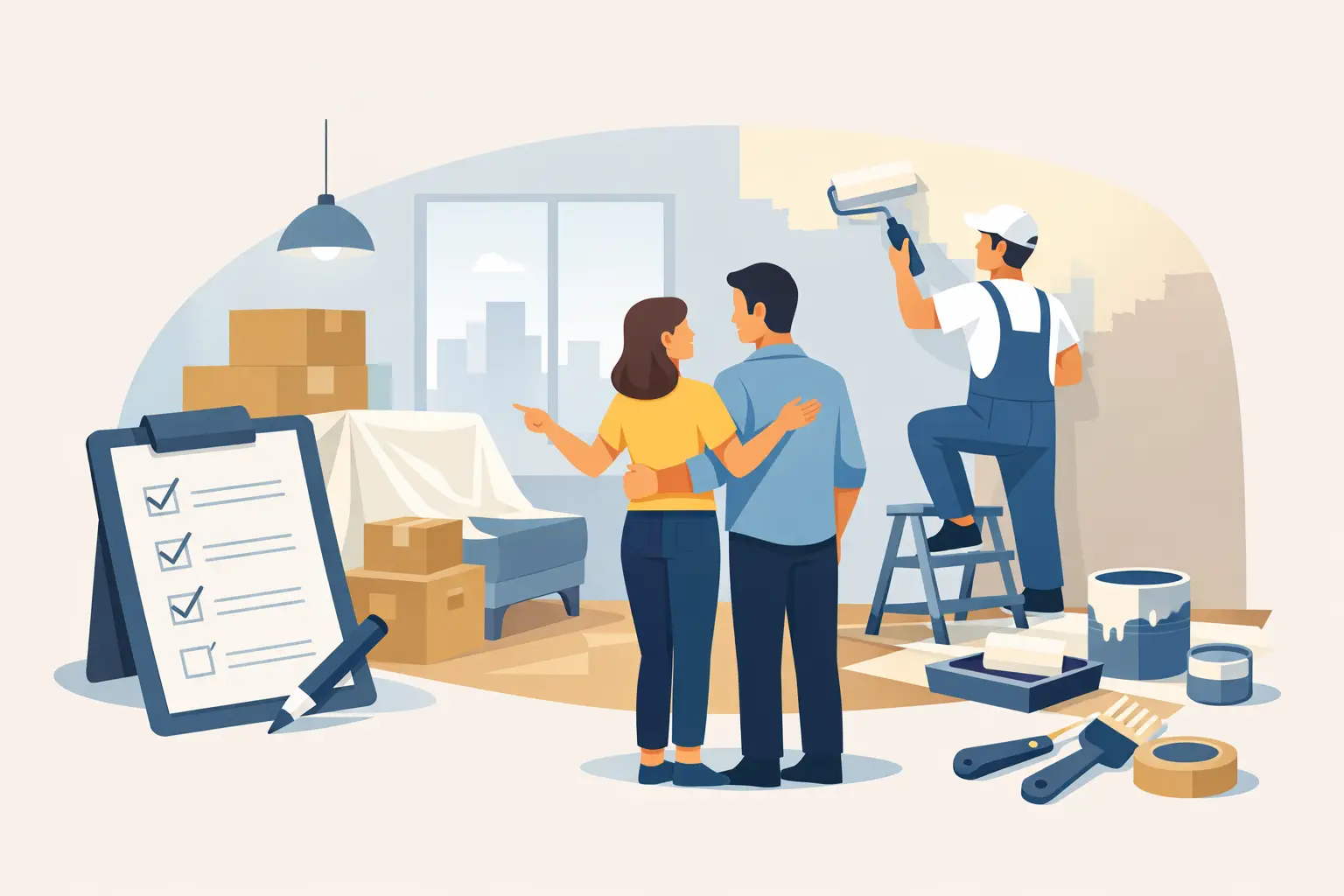
A rushed repaint often creates avoidable problems: paint on floors, missed touch-ups, poor coverage, or walls that are still curing when the inspection takes place. Schedule work early enough to allow for preparation, painting, drying, cleaning, and a final walkthrough.
For a lightly worn apartment, touch-ups and minor repairs may be completed quickly. A full repaint takes longer because furniture must be protected or moved, surfaces need preparation, and each coat needs appropriate drying time. Apartments with water damage, extensive wall patching, or specialty finishes require additional time.
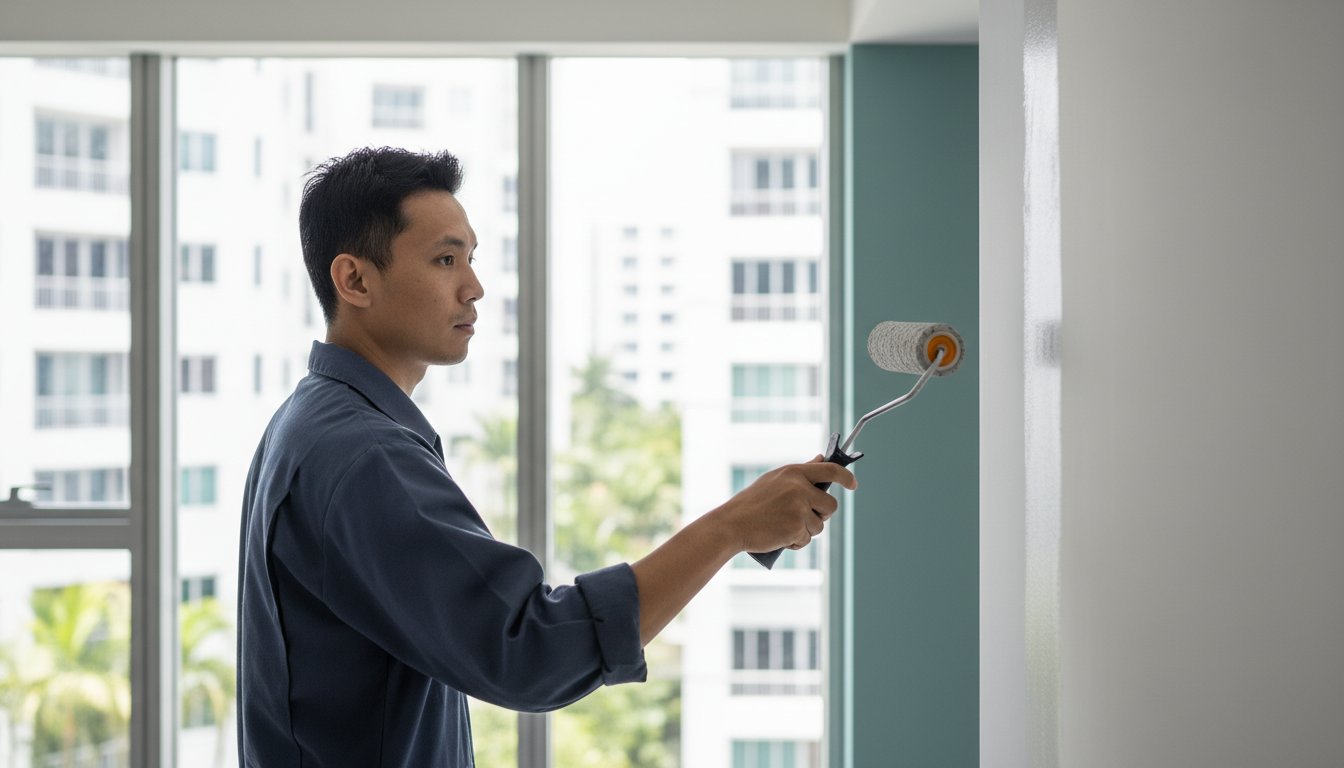
A professional team should protect floors, fixtures, and remaining furniture before work begins. They should also mask edges carefully, manage dust from sanding, and clean up after the job. These details reduce disruption and help prevent a repaint from creating new damage just before you return the keys.
If you are coordinating movers, cleaners, and a handover appointment, painting should generally happen before the final deep clean. That sequence prevents cleaning work from being undone by paint dust or splatters. Keep a small window after cleaning for a final inspection and any last-minute touch-ups.
Do Not Overlook Non-Paint Handover Issues
Fresh walls improve first impressions, but they cannot compensate for a unit that is dirty or visibly neglected. Clean switches, fan covers, window tracks, kitchen backsplashes, and bathroom fittings. Remove hooks, labels, and personal fixtures unless the landlord has agreed to keep them.
Check whether drilled holes, damaged silicone, loose handles, or scratched wood surfaces need separate repairs. If metal gates, window grills, or doors have rust or peeling coatings, they may need a suitable metal paint system rather than standard wall paint. Wood doors and trim may benefit from varnish touch-ups when the finish is worn but the material itself remains sound.
Keep copies of receipts, before-and-after photos, and any written agreement with the landlord about the work completed. Documentation is useful if questions arise about the unit’s condition or deposit deductions.
When Professional Repainting Is Worth It
DIY touch-ups can work for a tiny mark when you have the exact paint, proper tools, and enough time to test the match. But a do-it-yourself approach can become more expensive if the patch flashes, the finish is uneven, or accidental splatters affect floors and fixtures.
Professional repainting is often the better choice when the unit needs several repairs, the handover date is close, or the expected finish needs to look consistent across multiple rooms. An experienced team can assess the condition, recommend a sensible scope, protect the apartment, repair surfaces correctly, and manage cleanup as part of the job.
My Paint Job supports apartment handovers with practical inspection, surface preparation, quality paint options, and careful finishing designed to reduce the stress of move-out work. A clear quote should explain what is included, from patching and painting to furniture protection and final cleanup, so there are no surprises at the end.
The best time to handle repainting is before the final week of your lease. Give yourself time to make informed choices, fix underlying surface issues, and walk into handover day knowing the apartment looks cared for, clean, and ready for its next chapter.