A wooden front door can look rich and welcoming one year, then faded, patchy, or weather-worn the next. The difference often comes down to the finish chosen before the first coat goes on. In the varnish vs paint for wood decision, there is no one answer for every surface. The best choice depends on the wood’s condition, the look you want, and how much sun, moisture, and daily wear it must handle.
For homeowners, landlords, and business owners, the goal is usually straightforward: a finish that looks polished, lasts well, and does not create unnecessary maintenance. Knowing where varnish performs best and where paint makes more sense helps you invest confidently in your doors, trim, cabinets, gates, furniture, and exterior woodwork.
Varnish vs Paint for Wood: The Key Difference
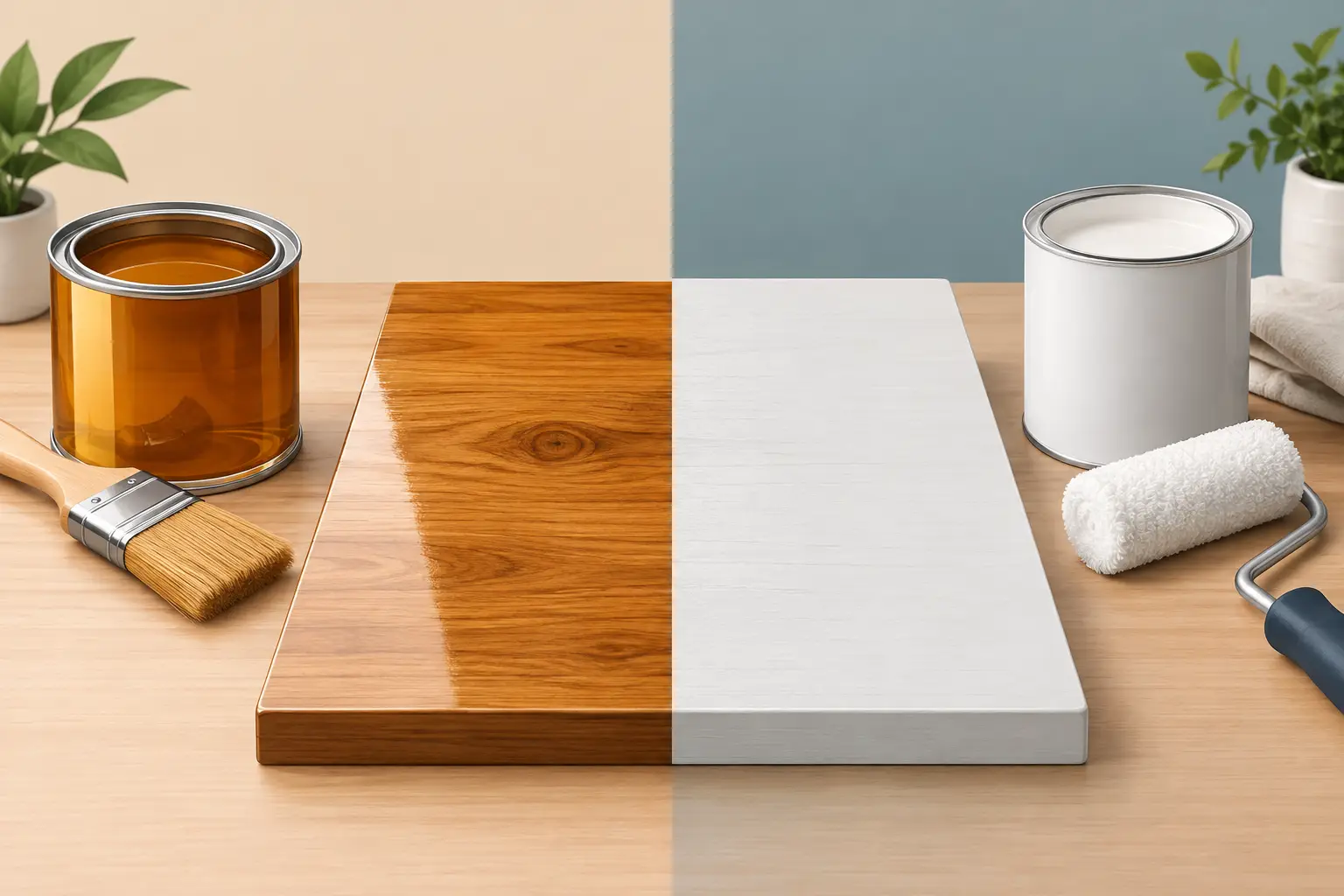
Varnish is a clear or lightly tinted protective coating. It allows the grain, knots, and natural character of the timber to remain visible. Depending on the product, it can leave a glossy, satin, or matte appearance. It is often chosen for wooden doors, handrails, furniture, decks, and feature pieces where the material itself is part of the design.
Paint is an opaque coating that covers the wood grain with color. It creates a consistent appearance and gives far more freedom in matching an interior palette, a commercial brand color, or an existing exterior scheme. Paint is especially useful when the wood has stains, uneven coloration, filler repairs, or several old finishes that no longer look attractive.
Both finishes can protect wood, but they do so differently. Varnish highlights what is already there. Paint reshapes the appearance entirely.
When Varnish Is the Better Choice
Varnish is a strong option when the wood is in good condition and its natural look adds value to the space. A solid timber door, well-made dining table, or quality built-in shelving can look warmer and more refined under a clear finish than under a solid color.
It can also be practical for interior wood exposed to regular handling. A suitable varnish forms a protective layer against light scratches, fingerprints, and occasional spills. Satin finishes are popular because they offer a softer sheen than gloss while still being easy to wipe clean.
For exterior wood, the right varnish needs to withstand ultraviolet exposure and changing weather conditions. This is where product selection and surface preparation matter. Not every clear coating is suitable for a gate, outdoor bench, or front door. Exterior-grade varnish should provide UV resistance and flexibility so it is less likely to crack as the wood expands and contracts.
The trade-off is that varnish does not hide defects. Dark water marks, uneven boards, old stains, and visible patch repairs will still show through. If the wood is heavily weathered, a clear coating can sometimes make those imperfections more noticeable rather than less.
Varnished surfaces also need attention when the protective film begins to fail. Peeling, whitening, cracking, or a dull gray appearance usually means moisture or sun has started to affect the coating. Addressing the problem early may only require sanding and recoating. Waiting too long can turn a simple refresh into a more involved restoration job.
When Paint Is the Smarter Option
Paint is often the most practical choice for older wood, repaired surfaces, and high-visibility areas that need a clean, uniform finish. It covers inconsistent grain and discoloration, allowing worn woodwork to look fresh again without replacing it.
This makes paint a reliable solution for skirting boards, trim, doors, cabinets, shutters, grills, gates, and exterior fascias. It is also ideal when the desired look is modern, bright, or coordinated with surrounding walls and furnishings. A crisp white door frame, deep charcoal gate, or branded retail counter can be achieved far more predictably with paint than with varnish.
Quality paint can provide excellent protection from moisture and sunlight when paired with the right primer and topcoat. For exterior wood, the system matters more than the color alone. Bare or weathered timber may need sanding, repair, wood filler, stain blocking, and a suitable primer before the finish coats are applied. Skipping these stages can lead to blistering, peeling, and uneven coverage.
Paint does have one limitation: it covers the natural grain. Some homeowners see that as a loss, particularly on attractive hardwood. Others prefer it because it gives the entire room a cleaner, more consistent result. The right answer comes down to whether the timber itself should be the feature or simply the surface beneath the color.
Compare Durability, Maintenance, and Cost
A well-applied paint system can be highly durable, particularly on surfaces exposed to everyday knocks and changing conditions. It is generally easier to touch up when a small section gets chipped, provided the original color is available. Painted wood can also be repainted in a new color later without stripping back to bare timber in every case.
Varnish can be equally durable, but it is less forgiving when damaged. A scratch or worn patch may interrupt the sheen and expose the wood beneath. Repairs often require feather-sanding a wider area so the refreshed section blends naturally with the existing finish.
Maintenance depends on location. Interior painted trim and interior varnished furniture may only need routine cleaning for years. Exterior surfaces need more frequent inspection, especially where rain, direct sun, humidity, and hand contact are constant. Gates, entrance doors, and window frames should be checked for early signs of cracking, fading, or water penetration before the finish fails completely.
Cost should be assessed as a complete project, not simply by the price of a can of paint or varnish. Varnish may require careful sanding between coats and meticulous dust control to achieve a smooth finish. Paint may need more preparation if the wood is damaged or if a dark color is being changed to a light one. Detailed profiles, louvers, carved panels, and grills also require more labor than a flat tabletop or plain door.
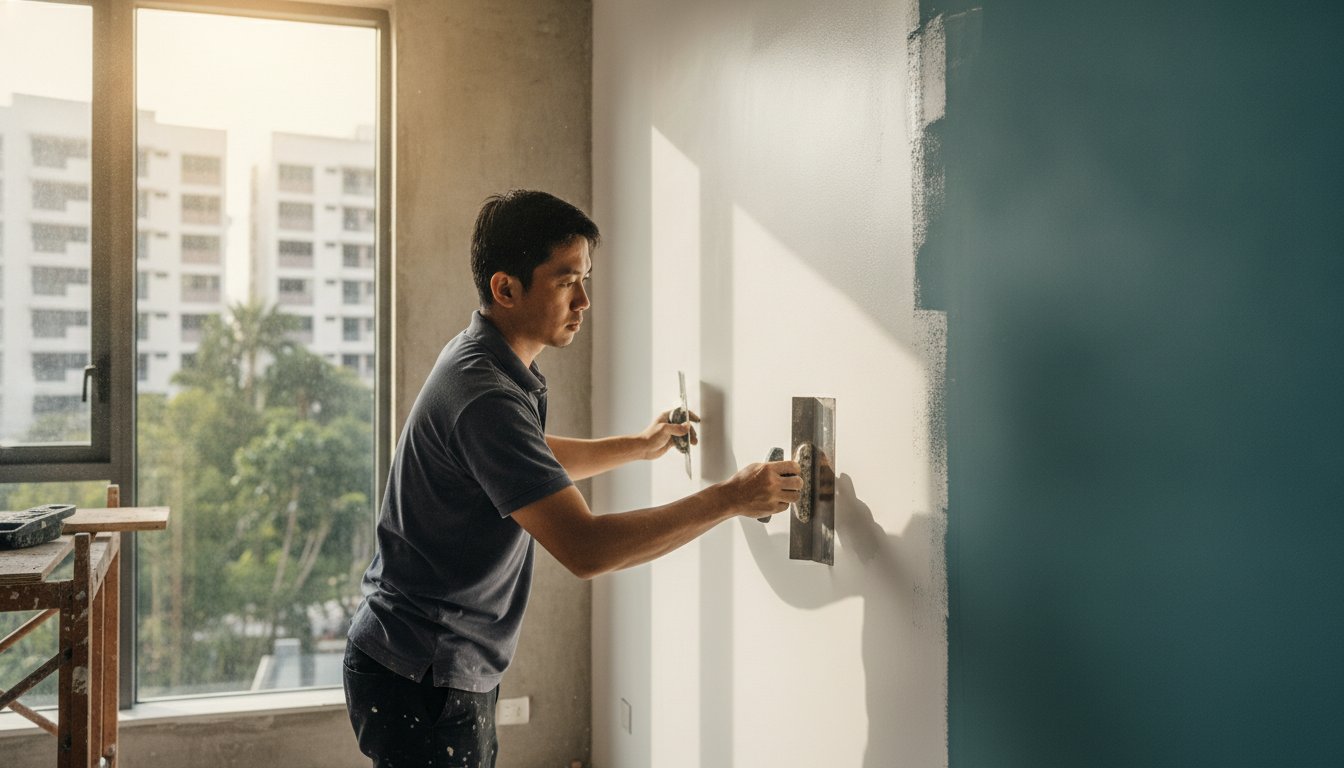
For a professional result, preparation usually determines the value of the job. The finish coat gets the attention, but the sanding, cleaning, filling, priming, and protection of nearby furniture are what help it look good and stay that way.
How to Choose the Right Finish for Your Surface
Start by looking closely at the wood, not just the room. If it has attractive grain, no major staining, and a stable surface, varnish may be the better fit. If it has old repairs, uneven tones, water marks, or visible damage, paint can deliver a much cleaner transformation.
Next, consider the surface’s role. A feature dining table may benefit from a warm varnished finish. A rental property’s scuffed bedroom doors may be better painted in a durable neutral color for easy maintenance. For offices and retail spaces, paint often supports a controlled, professional appearance, while varnish can add character to reception counters, display fixtures, or timber feature walls.
Finally, think about the finish you can realistically maintain. Exterior wood that is exposed to strong sun and rain should not be treated as a one-time project. Choose a coating system designed for the environment and plan periodic care. Interior wood in a busy household or workplace should use a finish that can handle regular cleaning without losing its appearance.
Why Professional Preparation Makes a Visible Difference
Wood finishing looks simple until brush marks, trapped dust, uneven sheen, or early peeling appear. These issues are often caused by rushed preparation rather than poor-quality materials alone. Moisture levels, old coating compatibility, grain direction, sanding grit, drying time, and the condition of the substrate all affect the result.
A professional team can assess whether a surface should be restored with varnish, painted over, repaired first, or replaced in isolated areas. The work should include protecting nearby floors and furnishings, preparing the wood carefully, applying compatible products, and cleaning up once the project is complete.
At My Paint Job, this practical approach helps clients choose finishes that suit both the space and the budget, without adding unnecessary disruption to a home or business.
A beautiful wood finish should not only look right on day one. Choose the option that fits the condition of your wood, the demands of the space, and the level of care you want to give it over time. When in doubt, ask for a surface assessment and a clear quote before work begins.