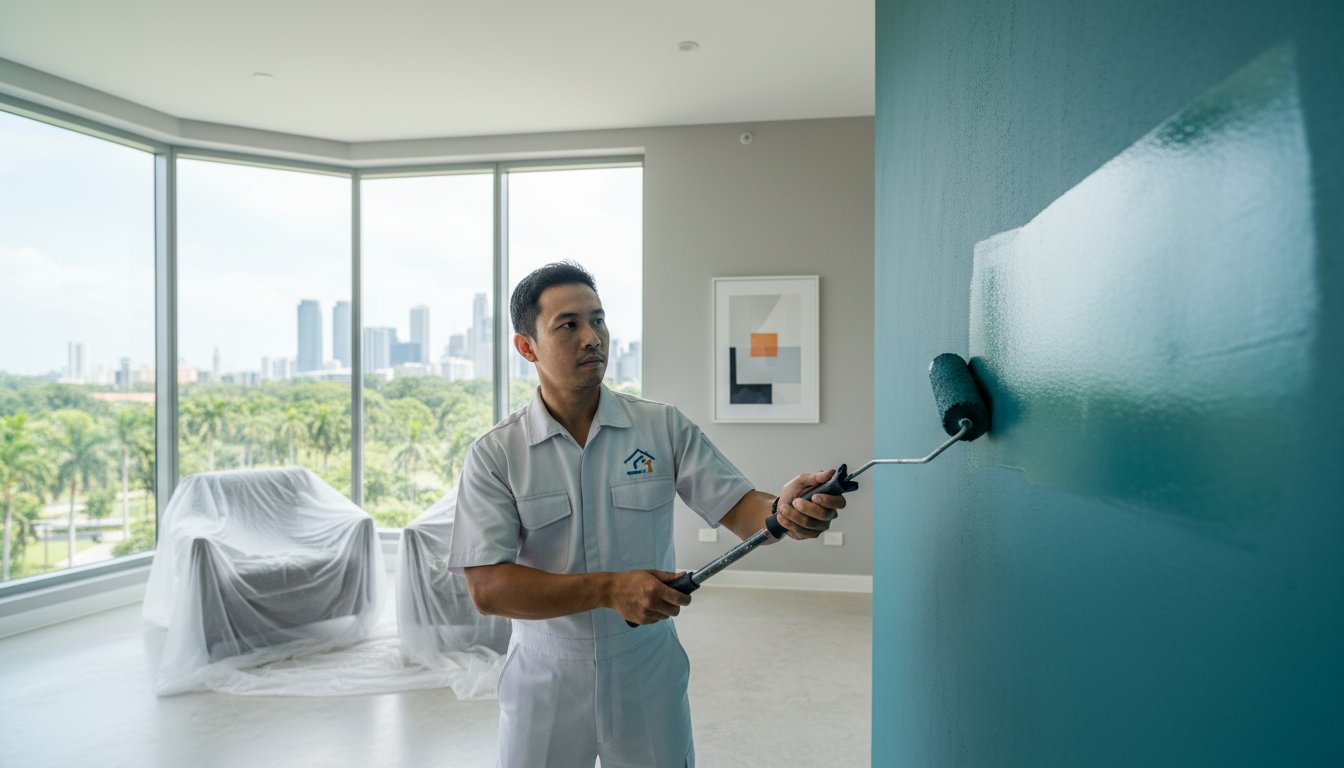
A freshly painted room should not come with paint-speckled sofas, swollen wood surfaces, or a work desk buried under dusty plastic. To protect furniture before painting properly, the job needs to begin well before the first roller touches the wall. Careful preparation keeps your belongings clean, gives painters room to work safely, and helps the finished space look as polished as the new paint itself.
For homes, offices, and retail spaces, furniture protection is more than a courtesy. It is part of a disciplined painting process that reduces cleanup, prevents accidental damage, and keeps disruption to a minimum.
Why furniture protection matters before painting
Paint can travel farther than many people expect. Roller splatter, spray mist, sanding dust, dripping brushes, and even wet hands moving through a room can leave marks on upholstery, glass, cabinetry, electronics, and flooring. Water-based paint may be easier to clean while wet, but it can still stain fabric or leave residue in textured surfaces if it is not removed promptly.
There is also the issue of access. When furniture is pushed against walls or left in narrow walkways, painters may struggle to prepare surfaces evenly. Corners get missed, walls cannot be repaired properly, and the chance of bumping a table, lamp, or display unit increases. Creating a clear working area supports better workmanship from surface preparation through final touch-ups.
The right level of protection depends on the room. A lightly furnished bedroom may only need items moved to the center and covered securely. A living room with fabric seating, built-in cabinetry, televisions, and decorative pieces requires more careful planning. In a working office or shop, protecting equipment and keeping essential operations accessible may be the main priority.
Protect furniture before painting with a clear plan
The easiest way to avoid rushed decisions is to assess the room before paint supplies arrive. Identify what can be moved out, what should be moved to the center, and what must stay in place because it is heavy, built in, or connected to utilities.
Start with smaller and fragile items. Remove artwork, table lamps, loose shelves, plants, curtains, rugs, décor, and valuables from the room whenever possible. This creates space quickly and prevents the most common accidental losses during a painting project. It also makes it easier to inspect the walls for nail holes, stains, cracks, or uneven areas that need repair.
Next, decide whether large furniture should be relocated or grouped. Moving a sofa, dining table, bed frame, or office workstation into another room is ideal when space allows. If not, bring large pieces toward the center of the room, leaving enough clearance around the walls for ladders, extension poles, and steady movement. A gap of several feet is often more practical than trying to work around furniture that has only been shifted a few inches.
For commercial properties, a phased approach can be useful. An office manager may clear one meeting room at a time, while a retail operator may schedule painting outside business hours and protect merchandise in sections. This helps maintain continuity without compromising the quality of the work.
Cover furniture with the right materials
Not every cover provides the same protection. Thin plastic sheets can block wet paint, but they may slide off smooth furniture or trap moisture against certain finishes if left in place for too long. Canvas drop cloths are heavier and more stable, making them useful for tables, cabinets, and hard surfaces. They can also absorb small drips instead of allowing paint to pool.
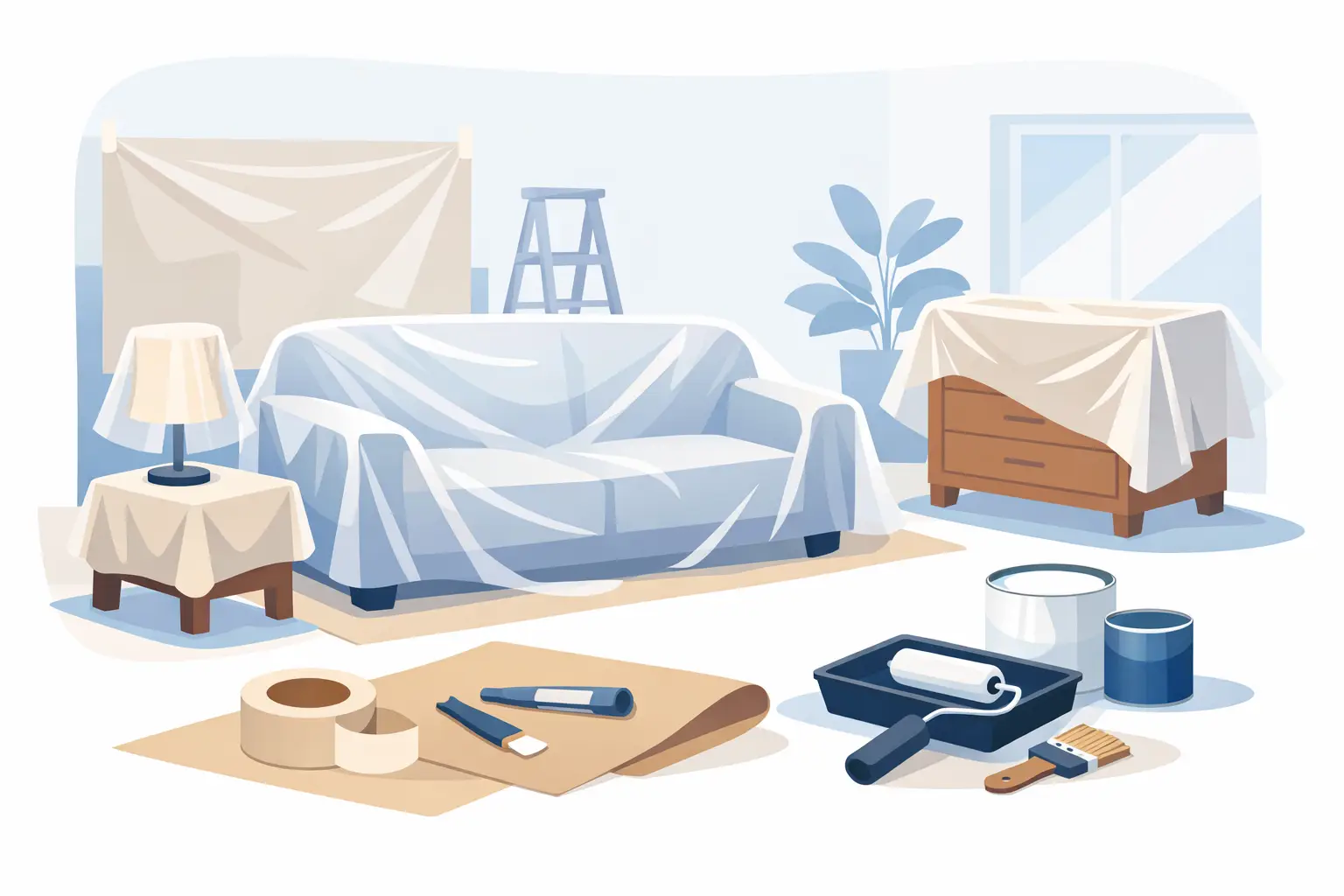
For upholstered furniture, use a clean protective layer that fully covers the piece from top to bottom. Secure the cover loosely with painter’s tape where appropriate, but avoid taping directly onto delicate fabric, leather, polished wood, or veneer. The goal is to keep the cover in place without creating a new problem when it is removed.
Electronics deserve extra attention. Unplug televisions, computers, printers, speakers, and other devices if it is safe to do so, then move them away from the painting area. If they cannot be moved, cover them carefully without sealing heat-producing equipment under plastic while it is operating. Office equipment and retail point-of-sale systems may need a coordinated plan so that cables, screens, and data connections remain protected.
A good protection setup should include the following four layers where needed:
- Furniture covers for sofas, tables, cabinetry, and equipment
- Floor coverings to catch splatter, dust, and dropped tools
- Painter’s tape and masking paper for edges, handles, and fixed surfaces
- Separate wrapping or boxes for fragile décor, documents, and small electronics
Do not forget floors, fixtures, and nearby surfaces
Furniture is often the main concern, but it is only one part of the room. Floor protection is essential, especially around the perimeter where most cutting-in and rolling takes place. Canvas drop cloths work well for many interior floors because they stay in place and absorb drips. Plastic sheeting can be helpful underneath in areas where extra moisture protection is needed, but it should be taped down securely to reduce slipping hazards.
Wood floors, tiles, carpet, and vinyl all need different care. Carpet can hold fine paint droplets deep in its fibers, while glossy tiles may become slippery if plastic is loose or paint spills are not managed quickly. On finished wood, avoid dragging ladders, furniture, or heavy tools across the surface. Felt pads, floor runners, and properly positioned drop cloths can prevent scratches during setup and cleanup.
Mask light switches, outlet covers, door hardware, window frames, air-conditioning units, and built-in shelves before work begins. If walls are being sanded or repaired, cover nearby openings and surfaces to contain dust. This is particularly helpful in occupied homes and offices where clean air and daily comfort matter.
Move furniture safely, not quickly
The rush to clear a room can cause more damage than the painting itself. Large furniture should be lifted rather than dragged whenever possible. This protects both the furniture legs and the flooring underneath. For bulky items such as wardrobes, display cabinets, conference tables, or bed frames, use enough people and the right moving equipment.
Some pieces should not be moved without professional judgment. Built-in storage, wall-mounted televisions, antique furniture, stone-top tables, and electrical equipment can be heavy, fragile, or difficult to reposition safely. In those cases, experienced painters can protect the item in place and work around it with controlled masking and covers.
Before moving anything, empty drawers, shelves, and cabinets where practical. A lighter piece is easier to handle, and loose items are less likely to shift or break. Label boxes if the project covers several rooms so everyday essentials are easy to find afterward.
Common mistakes that create extra cleanup
One common mistake is using old bedsheets as the only barrier. They may cover a large area, but paint can soak through thin fabric and reach the surface underneath. Another is leaving covers loose. A fan, open window, or someone walking past can shift plastic sheeting at exactly the wrong moment.
It is also risky to stack furniture too tightly in the center of a room. Covers can rub against sharp corners, and painters may have limited space to turn with tools or step ladders. A better arrangement leaves clear walkways and keeps delicate pieces away from the main traffic path.
Finally, do not wait until the day of painting to decide where items will go. Last-minute clearing often means valuables are placed in hallways, balconies, or other areas where they are exposed to damage or weather. A short preparation plan the day before can make the project cleaner and faster.
What professional furniture protection looks like
A professional painting team should treat your property with the same care it gives the walls. That means inspecting the space first, planning access routes, moving or grouping furniture carefully, laying secure floor protection, and covering fixed items before surface preparation begins. The protection should remain in place until painting, touch-ups, and cleanup are complete.
At My Paint Job, this preparation is part of delivering a low-disruption service, not an optional afterthought. Proper covers, careful movement, and organized cleanup help homeowners and business operators enjoy the transformation without worrying about their furnishings.
If you are arranging a painting project, take a few photos of each room before work starts and set aside anything valuable or fragile. Then let a capable painting team create the safe, clear workspace needed for a finish that looks good from every angle.