A shop repaint usually looks simple until the first shelf needs moving, the wall damage shows up under bright lighting, and the drying time starts affecting business hours. If you are figuring out how to repaint shop interior spaces without turning the project into a disruption, the real work is in planning, preparation, and timing – not just applying a fresh coat.
For retail operators, presentation matters. Customers notice scuffed walls, uneven patches, peeling corners, and dull ceilings faster than most owners expect. A clean, well-painted interior does more than improve appearance. It supports the customer experience, strengthens brand presentation, and makes the space feel maintained and trustworthy.
Why repainting a shop interior needs a different approach
A shop is not painted the same way as an empty room at home. There is usually fixed signage, display shelving, counters, lighting features, storage areas, and high-touch zones that wear out faster than standard walls. Traffic patterns also matter. The area near the entrance, checkout, fitting rooms, or product displays often needs more durable paint and more careful surface prep.
Timing is another difference. Many retail businesses cannot afford several days of interruption, so the painting plan has to work around opening hours, deliveries, staff movement, and customer safety. That is why a proper commercial repaint focuses on reducing downtime while still protecting the finish quality.
How to repaint shop interior spaces without unnecessary downtime
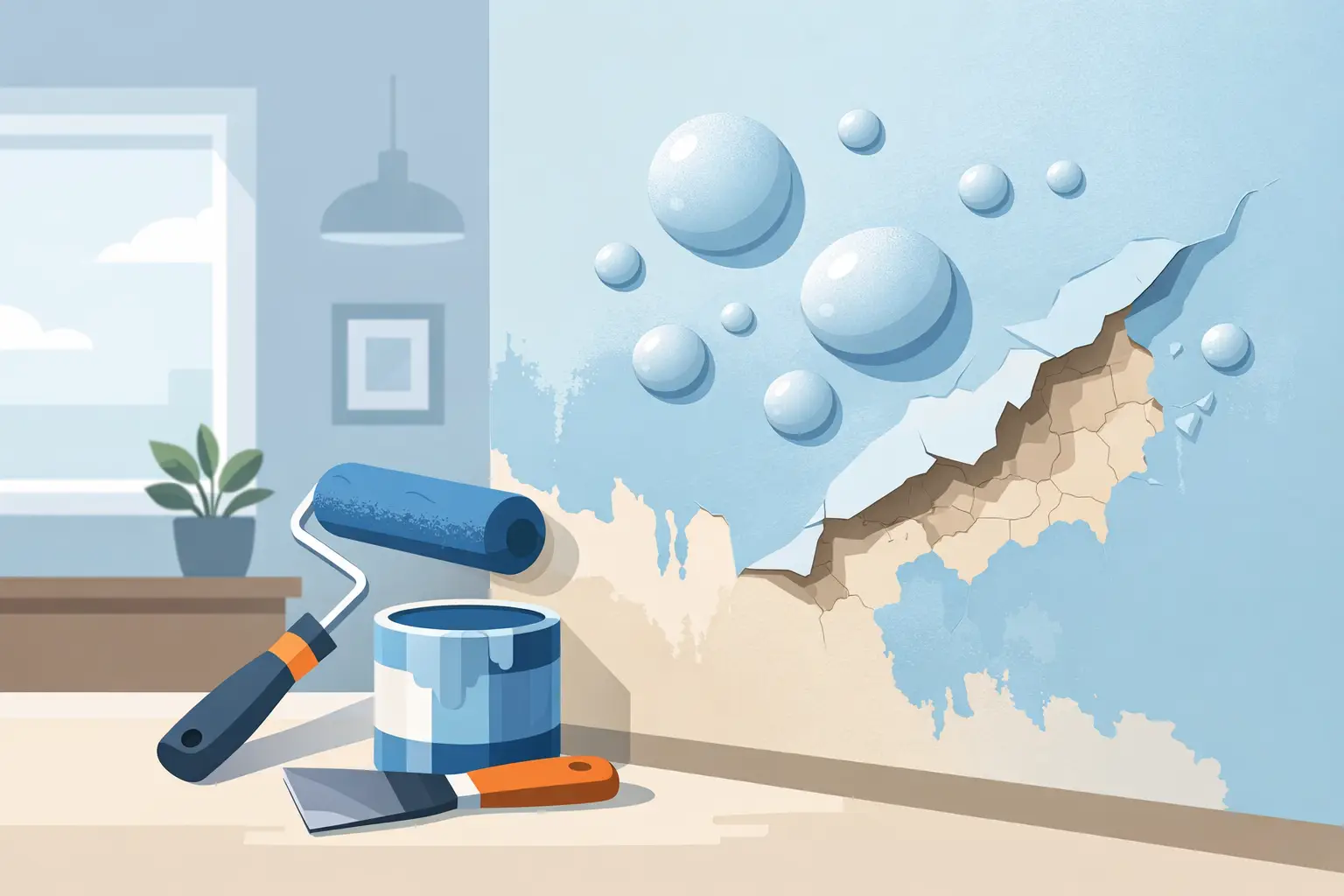
The best results start before the paint cans are opened. First, assess the full condition of the interior. That means checking not only the wall color, but also cracks, nail holes, water stains, greasy buildup, uneven old paint, and damaged plaster. A fresh coat will not hide poor surfaces for long. In fact, brighter shop lighting tends to make defects more obvious.
Next, decide whether the repaint is cosmetic, corrective, or part of a brand refresh. If the goal is only to freshen up the current look, the project may move faster because color changes are minimal and coverage is easier. If the space is changing from a dark color to a light one, or from a bold branded shade to a neutral retail finish, you may need primer and extra coats. That affects labor time, drying time, and budget.
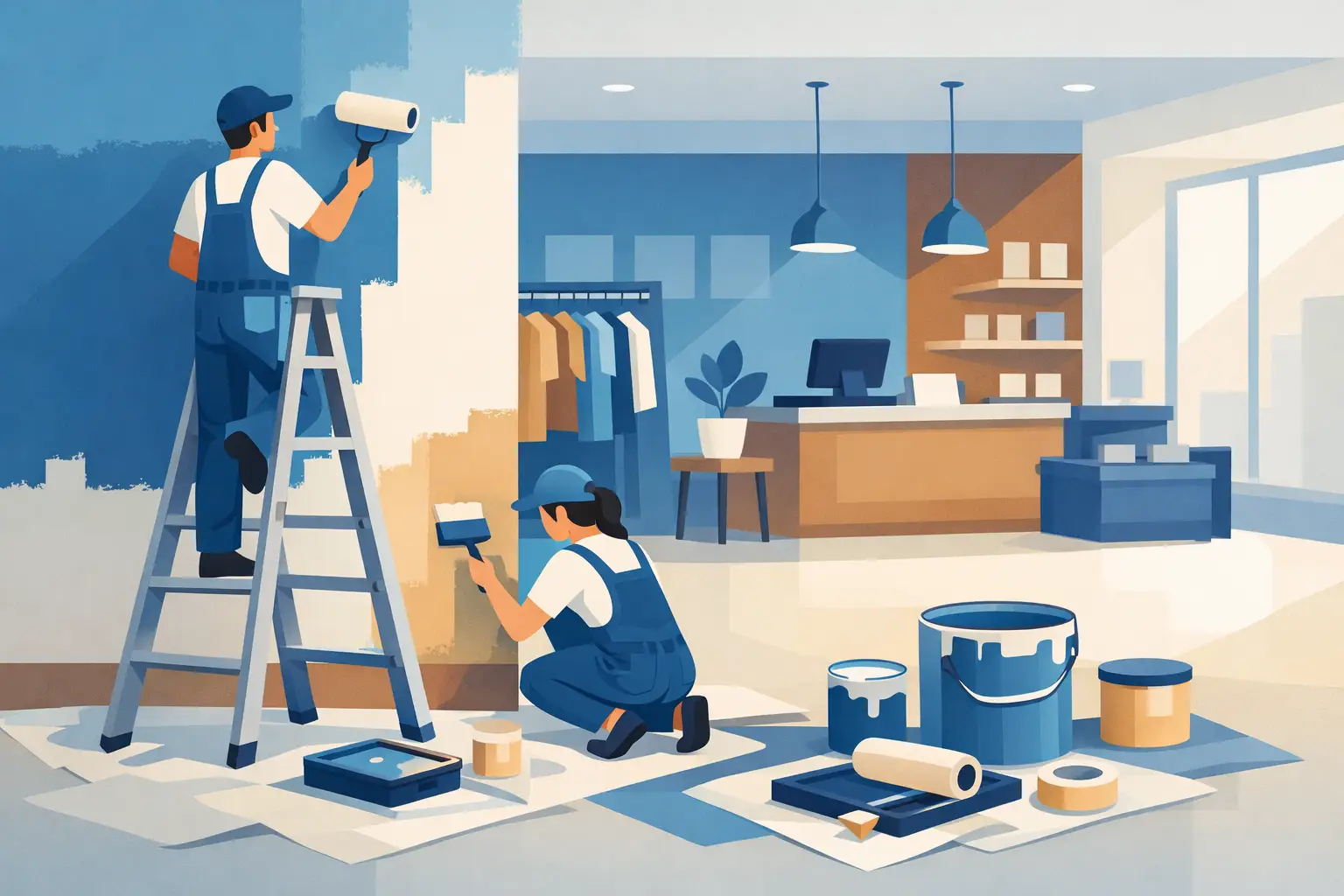
The smartest way to reduce disruption is to phase the work. Some shops can be painted zone by zone, with stock shifted in sections instead of clearing the entire space at once. Others are better handled after hours, overnight, or on closed days. It depends on the store layout, ventilation, and how quickly the team needs the area back in use.
Start with surface preparation, not paint selection
Most repaint problems come from weak preparation. Walls that are dusty, oily, chalky, or damp will not hold paint properly, no matter how premium the product is. In retail units, this issue is common near food prep areas, cashier counters, entrances, and storage corners where hands, trolleys, and cleaning products create extra wear.
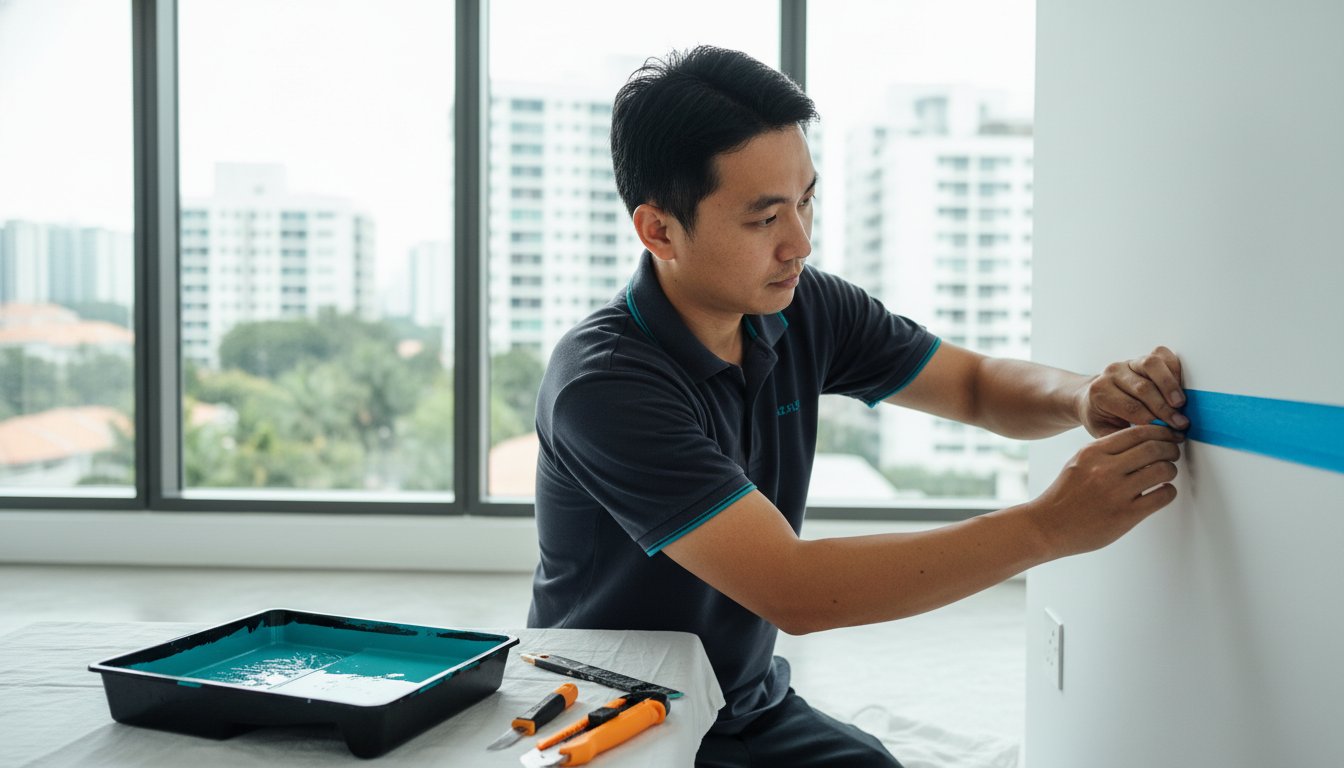
Preparation usually includes moving or covering furniture and merchandise, masking glass and fixtures, scraping loose paint, patching damaged spots, sanding rough areas, and cleaning surfaces thoroughly. If there are signs of spalling concrete, moisture damage, or hairline cracks, these should be repaired before painting begins. Otherwise, the fresh finish may fail early and the shop ends up needing rework sooner than expected.
Ceilings should be assessed separately. Many business owners focus on the walls and forget that stained or yellowing ceilings make the whole space feel older. Repainting the ceiling at the same time often gives the interior a more complete and noticeably cleaner result.
Choosing the right paint for a retail environment
Not every interior paint is suitable for a shop. A retail space needs a finish that looks clean under strong lighting, resists marks, and can handle regular cleaning. In high-traffic areas, washable low-VOC paint is usually the practical choice because it keeps the shop usable while reducing odor and minimizing impact on staff and customers.
Finish matters as much as color. Flat paint can hide minor wall imperfections, but it tends to mark more easily. Satin or eggshell is often a better balance for shop interiors because it offers a cleaner look with better washability. Semi-gloss can work well for trims, doors, and service counters where durability matters more than softness of appearance.
Color choice depends on the type of business. Boutiques, salons, specialty stores, and showrooms may want a stronger visual identity, while convenience shops, clinics, and service outlets often benefit from lighter tones that make the space feel bright and orderly. There is no single right answer. The better question is whether the color supports product visibility, lighting, and brand image without making the interior feel cramped or harsh.
Planning around fixtures, displays, and daily operations
One of the biggest mistakes in a shop repaint is underestimating the amount of coordination required. Shelving units may be partially fixed. POS systems may need to stay powered. Refrigerated units, display racks, and security equipment can limit access to key wall sections. If the shop remains operational during the repaint, every step has to be controlled carefully.
That includes protecting stock from dust, keeping walking areas clear, and managing odor and drying times so the environment remains safe. In some cases, it makes sense to paint the customer-facing area first and leave staff rooms or back-of-house zones for another schedule block. In other cases, a short full closure saves more time than trying to work around active business hours.
This is where an experienced contractor adds real value. The job is not only about paint application. It is about sequencing, site protection, touch-up planning, and making sure the finished result looks sharp without creating operational stress for the owner or manager.
What a professional repaint process usually looks like
A well-managed shop repaint follows a clear workflow. The site is inspected, measurements are taken, and the paint system is chosen based on the current wall condition and expected usage. Furniture, displays, and fixtures are then protected or moved as needed. Surface repairs come next, followed by sanding, cleaning, and priming where required.
After that, the painting itself begins in a logical order, usually ceilings first, then walls, then trims, doors, and final detail work. Once the paint cures, masking is removed, surfaces are checked under proper lighting, and touch-ups are completed before final cleanup.
That last part matters more than many people think. A shop should not reopen with paint splatter on fittings, dust on products, or tape marks left on glass. The finish should look complete and ready for business, not almost done.
Budget, speed, and finish quality – where the trade-offs are
Every shop owner wants a repaint that is fast, affordable, and flawless. Sometimes you can get all three, but not always at the same time. If the walls are already in good condition and the color change is minor, turnaround can be quick and cost-effective. If the surfaces need repair, the ceiling is included, and the repaint must happen outside business hours, the cost will naturally rise.
Skipping prep to save money rarely pays off. The same goes for choosing the cheapest paint in a space that gets heavy daily traffic. A lower upfront quote can lead to faster wear, visible patchiness, and another repaint sooner than planned. For most businesses, the better value is a finish that lasts and a process that does not interfere more than necessary.
When it makes sense to hire professionals
If the shop is small and empty, a basic repaint may seem manageable. But once you add active operations, surface repairs, tight timelines, customer-facing standards, or a need for low-disruption work, professional help becomes the safer choice. A dependable painting team can handle color guidance, prep work, product selection, furniture protection, clean execution, and post-job cleanup with far less risk to your schedule.
For businesses that need speed without sacrificing workmanship, this matters. A contractor like My Paint Job is built around that kind of practical delivery – careful inspection, proper prep, efficient execution, and a finished space that looks polished rather than rushed.
A shop interior repaint works best when it is treated as part of your customer experience, not just a maintenance task. Done properly, it refreshes the space, protects the surfaces underneath, and helps your business look ready the moment the doors open again.