A guide to painting occupied offices starts with one reality: your business cannot stop simply because the walls need attention. Employees still need quiet places to work, clients may still visit, and essential equipment must remain accessible. A successful office painting project is not just about applying a fresh coat of paint. It is about planning the work around people, protecting the workplace, and completing every stage with care.
For office managers and business owners, the right painting contractor makes that process far easier. With a clear schedule, proper surface preparation, low-odor materials, and disciplined cleanup, an occupied office can receive a professional refresh without turning the workday upside down.
Start With a Phased Painting Plan
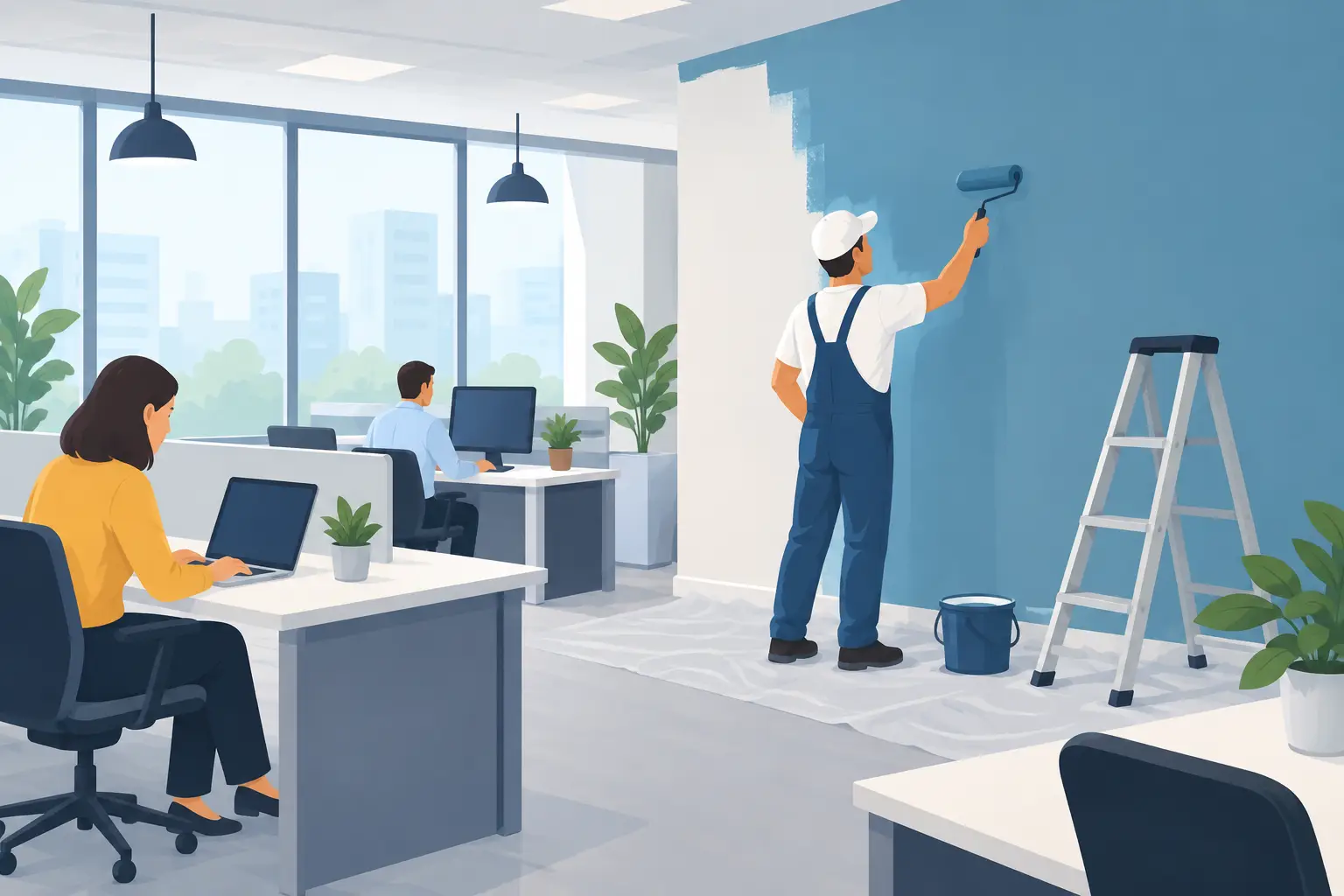
Painting an occupied office all at once is rarely the best option. Even in a smaller workplace, closing every room can create unnecessary stress for staff and disrupt normal operations. A phased plan divides the office into manageable work zones, allowing employees to continue working in unaffected areas.
The best sequence depends on your layout and work patterns. Meeting rooms, pantry areas, corridors, reception zones, and storage rooms can often be painted at different times from open workspaces. In some cases, work can be scheduled after business hours or over weekends. For offices with flexible work arrangements, painting on quieter in-office days may be the most practical choice.
Before work begins, identify areas that cannot be taken offline, such as server rooms, security stations, customer service counters, or executive meeting rooms. These spaces may require separate scheduling or specialized protection. A dependable contractor will inspect the site first and recommend a plan that fits the way your team actually works rather than forcing your operations into a generic timeline.
Communicate the Schedule Before the First Drop Cloth
Employees are more cooperative when they know what to expect. Give your team advance notice of the painting dates, the areas affected, access restrictions, and any temporary seating arrangements. This is particularly helpful in offices with shared desks, customer appointments, or sensitive work that requires minimal noise.
Clear communication also helps prevent simple but costly delays. Staff can remove personal belongings from desks, secure confidential paperwork, and save work before computers or equipment are temporarily moved. If visitors are expected, reception staff can guide them through alternate entry routes while work is underway.
A well-managed project should include a daily plan. Everyone should know which zone is being prepared or painted, when it will be available again, and who to contact if there is an urgent operational concern. That level of coordination keeps small issues from becoming disruptions.
Protect Furniture, Equipment, and Sensitive Surfaces
Office interiors contain more than desks and chairs. There may be computers, monitors, printers, cables, glass partitions, built-in cabinetry, carpet tiles, and branded signage. Each item needs the right level of protection before painting starts.
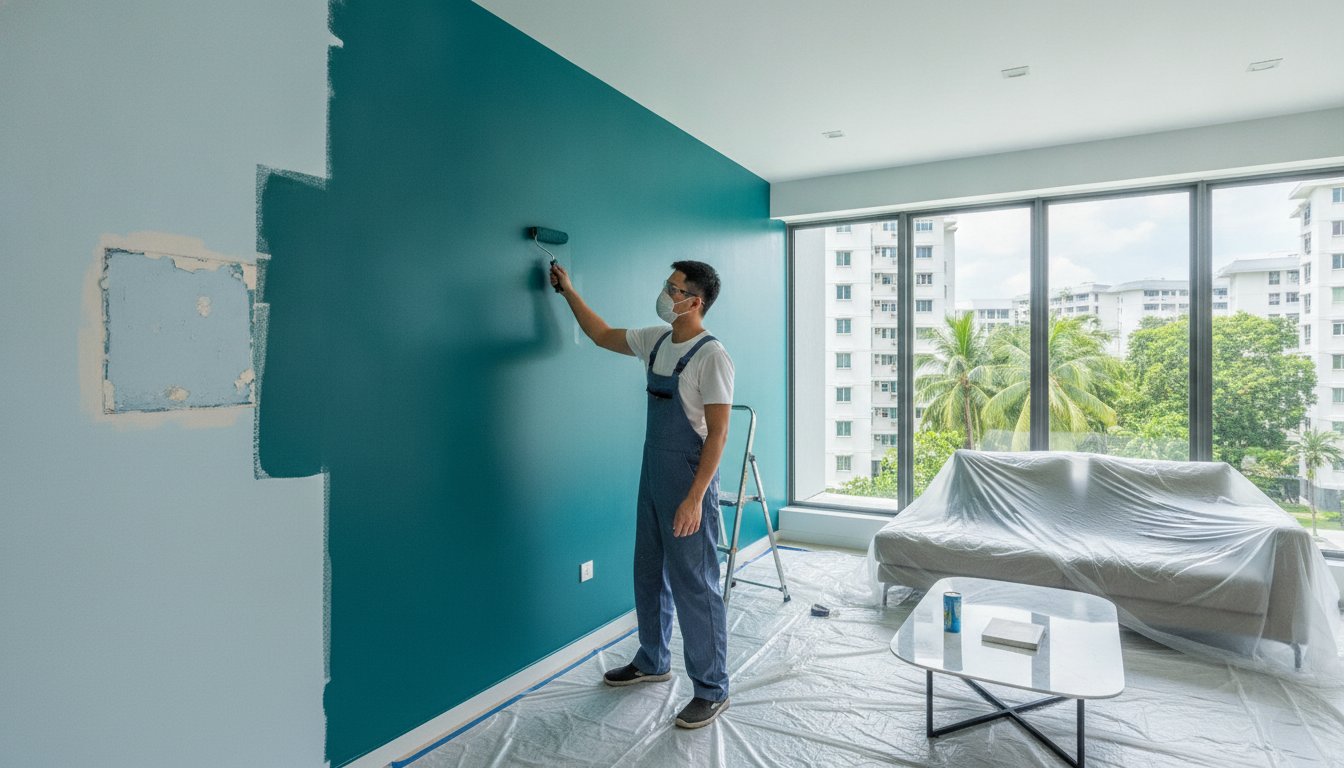
Where possible, furniture should be moved away from walls and grouped in the center of the room. Larger or fixed items can be covered with clean plastic sheeting and drop cloths. Floors, skirting boards, door frames, switches, and glass panels should be carefully masked to create crisp paint lines and prevent accidental splashes.
Electronics deserve extra attention. Painting near desktop computers, network equipment, or meeting room screens requires controlled preparation and dust management. A professional team should never treat an active office like an empty renovation site. The goal is to leave every workstation protected, every surface respected, and every room ready for use after cleanup.
Choose Low-Odor, Low-VOC Paint Where It Matters
Paint selection has a direct effect on comfort during an occupied project. Traditional paint odors can linger, especially in enclosed rooms with limited ventilation. For offices where employees remain on site, low-VOC and low-odor paint options can help reduce unpleasant fumes and support a more comfortable environment.
That does not mean every surface needs the same paint system. Reception walls may benefit from durable, washable finishes that stand up to frequent contact. Meeting rooms may need a calm matte finish that reduces glare on video calls. Pantry walls and high-traffic corridors often require coatings that are easier to wipe clean.
Color selection matters as much as durability. Bright white can make a compact office feel cleaner and more open, but it may also feel stark under strong lighting. Warm neutrals can create a more welcoming setting for clients, while carefully chosen accent walls can reinforce branding without overwhelming the space. A color consultation before painting helps avoid costly second thoughts after the work is complete.
Control Dust, Noise, and Access During Preparation
The painting itself is only one part of the job. Surface preparation often determines how polished and long-lasting the final result will be. Walls may need cleaning, patching, sanding, crack repair, or minor plastering before paint can be applied properly.
In an occupied office, those tasks must be handled with extra discipline. Sanding should be limited to the active work zone, with floors and nearby equipment protected. Debris should be removed promptly rather than left in walkways. Painters should keep access paths clear and avoid blocking emergency exits, restrooms, or shared facilities.
Noise is another practical consideration. Scraping, sanding, moving furniture, and setting up equipment can be distracting during calls or meetings. If your office has regular presentation times, client consultations, or focused work periods, schedule noisier preparation tasks outside those windows whenever possible.
Maintain Airflow and Drying Time Without Rushing
Fresh paint needs sufficient drying and curing time. Trying to return a room to full use too quickly can lead to scuffed walls, marks from furniture, or damage around newly painted doors and trim. A realistic schedule accounts for drying time between coats and gives the final finish time to set before desks are moved back.
Ventilation supports both comfort and paint performance. Windows may be opened where appropriate, while air-conditioning and ventilation settings should be considered carefully based on the space and paint product used. The contractor should advise on when rooms can be safely reoccupied and when surfaces can be touched, cleaned, or placed back into service.
This is where express painting services can be useful for urgent office refreshes, but speed should never mean skipped preparation. A fast turnaround works best when the scope is clear, materials are selected in advance, and the painting team has enough access to complete each area correctly.
Inspect Each Zone Before Moving On
A phased project should include phased quality checks. Once a room or section is complete, inspect it before furniture returns and before the team begins the next zone. Look at the walls under the same lighting used during the workday, not only under temporary work lights.
Check for even coverage, clean edges around frames and switches, smooth repairs, and consistent color from wall to wall. Pay attention to high-visibility areas such as reception desks, conference rooms, entryways, and feature walls. These are the spaces that shape first impressions for customers and employees alike.
A professional painting team should be prepared to handle touch-ups, remove masking cleanly, and leave the space free from paint residue, dust, and discarded materials. Cleanup is not an optional extra. It is part of delivering a finished office that feels ready for business.
Plan for More Than a Fresh Color
An office repaint is also a practical opportunity to address the details that affect the overall condition of your workplace. Small wall cracks, peeling areas, water stains, damaged plaster, and tired woodwork can make even a newly painted room look unfinished if they are ignored.
Addressing these issues before the final coats are applied protects your investment and creates a better result. In older offices, it may also be worth assessing whether minor repairs, wallpaper removal, or repainting of doors, frames, grilles, and cabinets should be included in the same project. Combining related work can be more efficient than arranging several separate disruptions later.
For a workplace that needs to look professional while staying operational, preparation is what creates peace of mind. Choose a painting partner that listens to your schedule, protects the space as if it were their own, and treats the final cleanup with the same precision as the paintwork. A carefully planned refresh gives your team a better place to work and gives every visitor a stronger first impression.