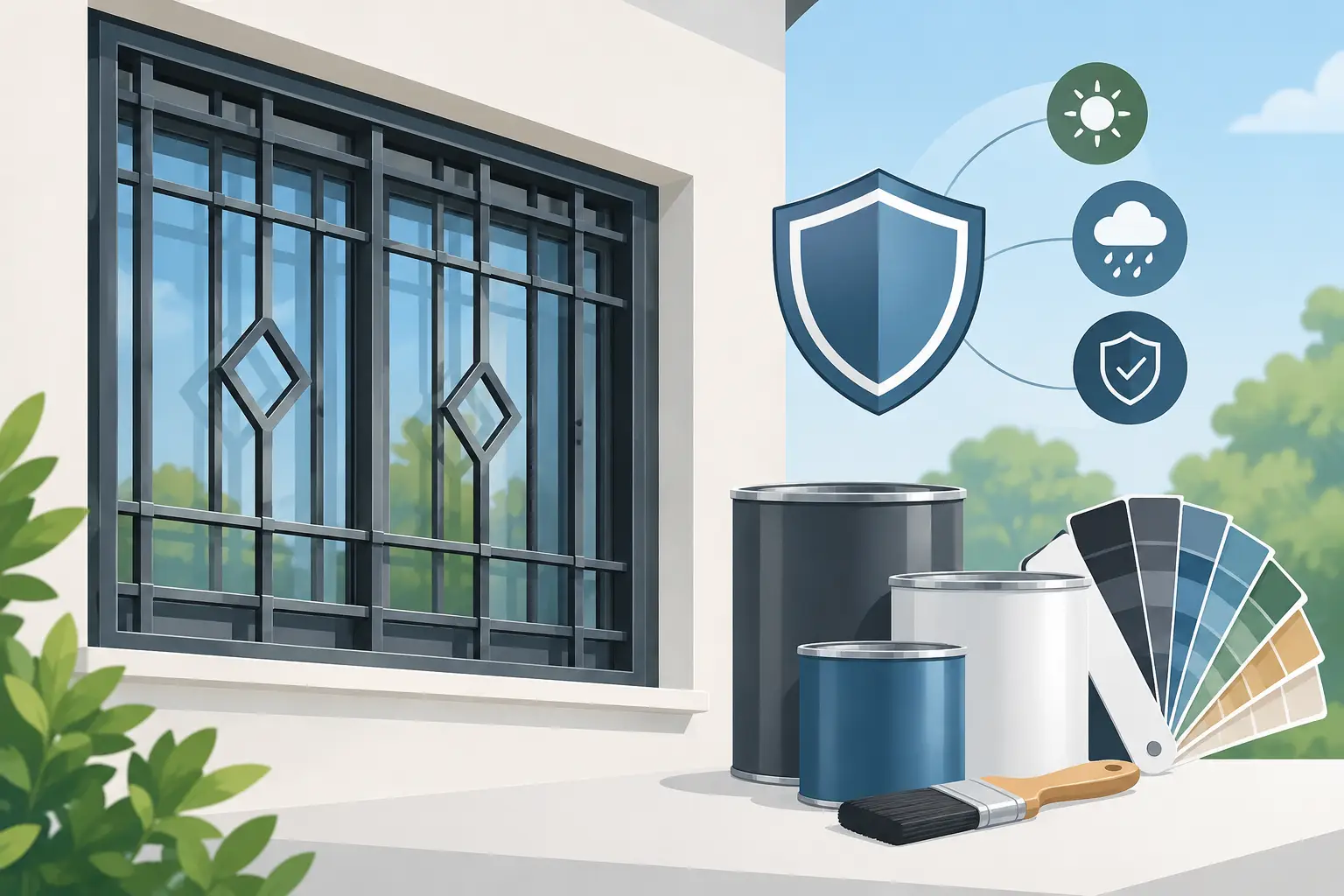
A metal window grille can look solid for years, then begin to show rust at the welds, peeling paint near corners, or a dull, chalky finish across the bars. The issue is rarely just the topcoat. When people look for the best coatings metal window grilles can use, they need a complete system that fits the metal, its current condition, and the exposure it faces.
For homeowners and property managers, the right coating does more than improve appearance. It protects a security feature that is constantly exposed to sun, rain, moisture, dust, cleaning chemicals, and everyday wear. A professional finish also makes the grille easier to maintain and helps the property look cared for from the inside and out.
What Makes a Metal Grille Coating Last?
Durability begins before the paint can is opened. Metal expands and contracts with heat, and exterior grilles often collect moisture in joints, screw heads, welded areas, and narrow gaps. If rust is left behind or the surface is smooth and glossy, even premium paint can lose adhesion early.
The most reliable results come from three layers working together: thorough surface preparation, a primer suited to the metal, and a durable finish coat. Skipping one of these steps may lower the initial price, but it commonly leads to flaking, rust bleed-through, and another repainting job sooner than expected.
The best choice also depends on whether the grille is steel, wrought iron, aluminum, or galvanized metal. Steel and wrought iron need strong rust control. Aluminum needs a primer designed to grip nonferrous metal. Galvanized surfaces can reject ordinary paint unless they are cleaned and primed correctly.
Best Coatings for Metal Window Grilles
Exterior Metal Enamel for Practical Repainting
For many occupied homes, exterior metal enamel is the practical choice for repainting existing window grilles. A quality exterior-grade enamel provides a hard, washable surface and is available in a broad range of colors and sheens. It works particularly well when a grille needs to be restored in place without removing it from the property.
This option is cost-effective and convenient, but results depend heavily on the condition of the existing paint. Loose material must be scraped away, rust needs to be treated, and glossy areas should be sanded so the new system can bond properly. A suitable metal primer underneath is not optional on exposed bare steel.
For most residential projects, a satin or semi-gloss finish offers the best balance. It looks clean, reflects light well, and is easier to wipe down than a flat finish. High gloss can be attractive on decorative ironwork, though it tends to reveal every uneven weld, scratch, and surface imperfection.
Rust-Inhibitive Primer and Topcoat for Steel or Wrought Iron
If the grille has visible corrosion, the priority is stopping rust from spreading beneath the finish. A rust-inhibitive primer is designed for prepared ferrous metals such as steel and wrought iron. It creates a protective base for the finish coat and improves the long-term performance of the full paint system.
This is often the best approach for older grilles with localized rust around joints or lower sections exposed to rain splash. After scraping and sanding, the surface should be cleaned thoroughly before primer is applied. Deeply pitted metal may require more detailed preparation than light surface rust, and severely weakened sections should be repaired or replaced before painting.
A primer alone will not withstand weathering. It needs a compatible exterior topcoat applied at the correct coverage and drying time. Professional painters follow the manufacturer’s system recommendations because mismatched products can affect adhesion, drying, and finish quality.
Epoxy Primer With Polyurethane Topcoat for Demanding Areas
For commercial properties, coastal locations, or grilles exposed to frequent moisture and heavy handling, an epoxy primer with a polyurethane topcoat can provide higher-performance protection. Epoxy primers are valued for strong adhesion and corrosion resistance, while polyurethane topcoats offer excellent toughness and color retention.
This system is not always necessary for a standard residential grille, and it usually costs more than conventional metal enamel. It also requires disciplined preparation and application conditions. However, it can be a worthwhile investment where repainting disruption would be inconvenient or where a long-lasting, polished appearance matters to the property’s presentation.
Because these products can be more technical to apply, they are generally better handled by experienced painting professionals rather than treated as a quick weekend project.
Powder Coating for Removed or Newly Fabricated Grilles
Powder coating is one of the most durable finishes available for metal grilles. The coating is applied as a dry powder and cured with heat, forming a consistent, hard surface that resists chips and weathering better than many conventional paint applications.
It is an excellent option for new fabricated grilles or units that can be removed and transported to a coating facility. The trade-off is logistics. Existing grilles may be built into masonry, fixed behind windows, or difficult to remove without added labor and repair work. Powder coating is also less practical for small spot repairs after installation.
If a grille is being replaced, redesigned, or fabricated off-site, powder coating deserves serious consideration. For an installed grille that only needs restoration, a professionally applied primer-and-paint system is often the more efficient solution.
Surface Preparation Is the Real Difference
A premium coating cannot compensate for poor preparation. Before any primer or topcoat is applied, the grille should be inspected for peeling paint, corrosion, loose joints, failed sealant, and areas where moisture may be trapped.
The surface should then be cleaned to remove dirt, grease, mildew, and chalking. Loose paint and rust are scraped or wire-brushed away, and sound painted areas are sanded to create a stable profile for adhesion. Bare metal should be primed promptly, especially in humid conditions, because flash rust can develop quickly.
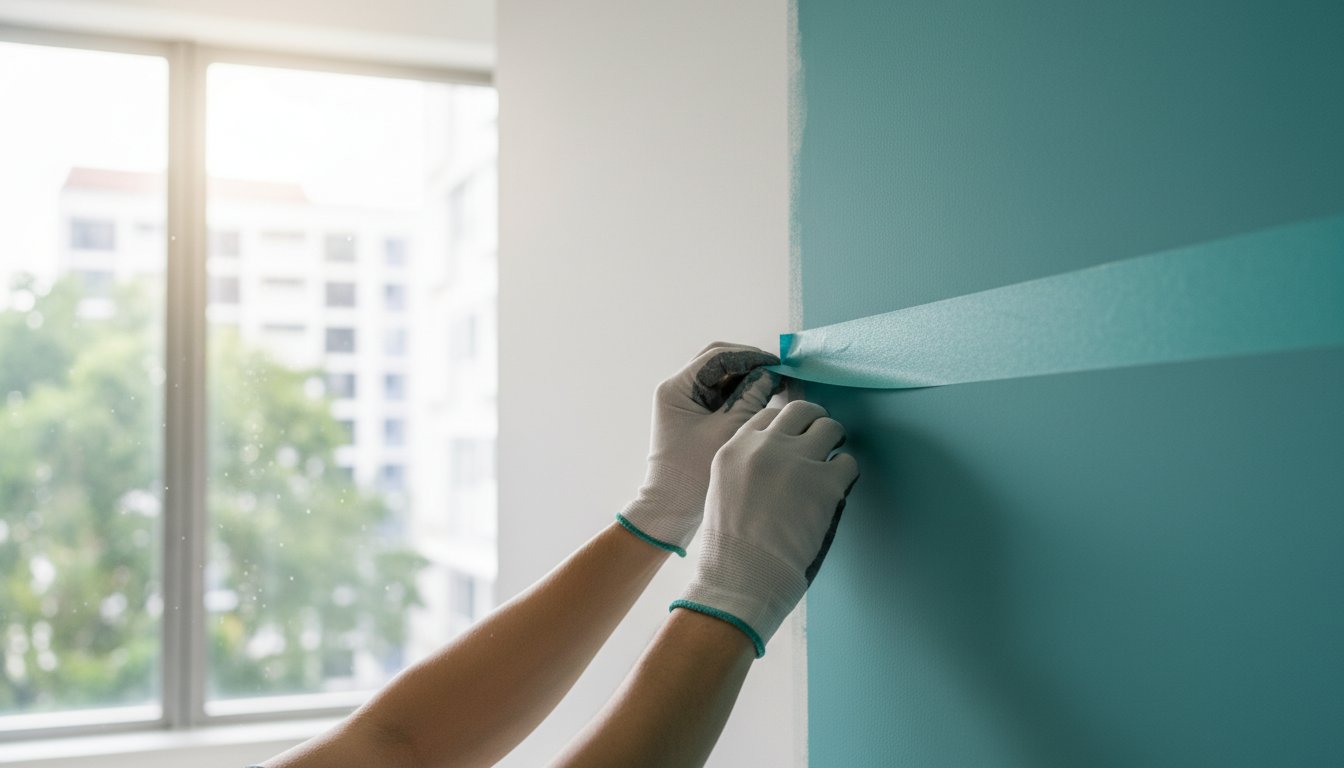
Nearby glass, walls, window frames, landscaping, furniture, and flooring should also be protected. This matters as much in an occupied apartment as it does in a retail space or office. A careful team manages masking, containment, and cleanup so the work improves the property without creating unnecessary disruption.
Choosing the Right Color and Finish
Black remains a popular choice because it gives window grilles a crisp, architectural look and hides minor dust better than lighter colors. Dark bronze, charcoal, white, and colors matched to window frames can also work well, depending on the building style.
For smaller spaces, a grille color close to the window frame can make the opening feel less visually busy. For traditional homes or ornamental ironwork, a contrasting dark color can make the detail feel intentional. The coating should complement the façade rather than compete with it.
Avoid choosing solely by a small paint chip. Exterior light can make colors appear much brighter or darker, and sheen changes the final effect. A satin finish is usually forgiving and refined, while semi-gloss provides a sharper, more polished look for properties that receive regular cleaning.
When Repainting Is Not Enough
Paint will not fix structural issues. If bars are bent, welds are cracked, mounting points are loose, or rust has eaten through the metal, repairs should come first. Coating over damage may improve the appearance briefly while allowing the underlying problem to worsen.
The same applies to paint that is failing across most of the surface. In those cases, spot touch-ups can create an uneven result. A full preparation and repainting process is usually the better value because it creates a consistent protective system rather than a patchwork of temporary fixes.
At My Paint Job, grille and gate painting is handled with the same attention given to walls and other visible surfaces: careful assessment, proper protection, disciplined preparation, quality materials, and a clean finish. A clear quote should reflect the condition of the metal, access requirements, repair needs, and the coating system recommended for the job.
The right coating is the one that protects your grille without adding unnecessary cost or disruption. Start with the metal’s condition, choose a system built for its exposure, and give preparation the attention it deserves. That is how a simple repaint becomes a finish you can rely on for years.