A rental can feel temporary without looking temporary. Learning how to refresh a rental apartment starts with one practical goal: make the space feel cleaner, brighter, and more like yours without creating a dispute when it is time to move out. The best upgrades are not always dramatic. Often, a fresh wall color, repaired marks, improved lighting, and a more intentional layout make the biggest visible difference.
Before buying paint or moving furniture, check what your lease allows. Some landlords welcome cosmetic improvements, while others require written approval for painting, drilling, or changes to fixtures. A little planning protects your security deposit and helps you invest in improvements that are worth enjoying during your tenancy.
Start With the Condition of the Apartment
Walk through the apartment in daylight and look at it as a future guest or landlord would. Notice scuffed walls, hairline cracks, stained ceilings, peeling paint, old adhesive marks, loose handles, damaged grout, and areas where the finish looks tired. Take clear photos before beginning any work, especially if an issue was already present at move-in.
Separate the work into two categories: damage that should be reported to the landlord and cosmetic changes you can make yourself or arrange professionally. Water stains, mold, bubbling paint, spalling concrete, and recurring cracks can point to a larger maintenance problem. Covering them with paint may make the room look better briefly, but it will not solve the cause.
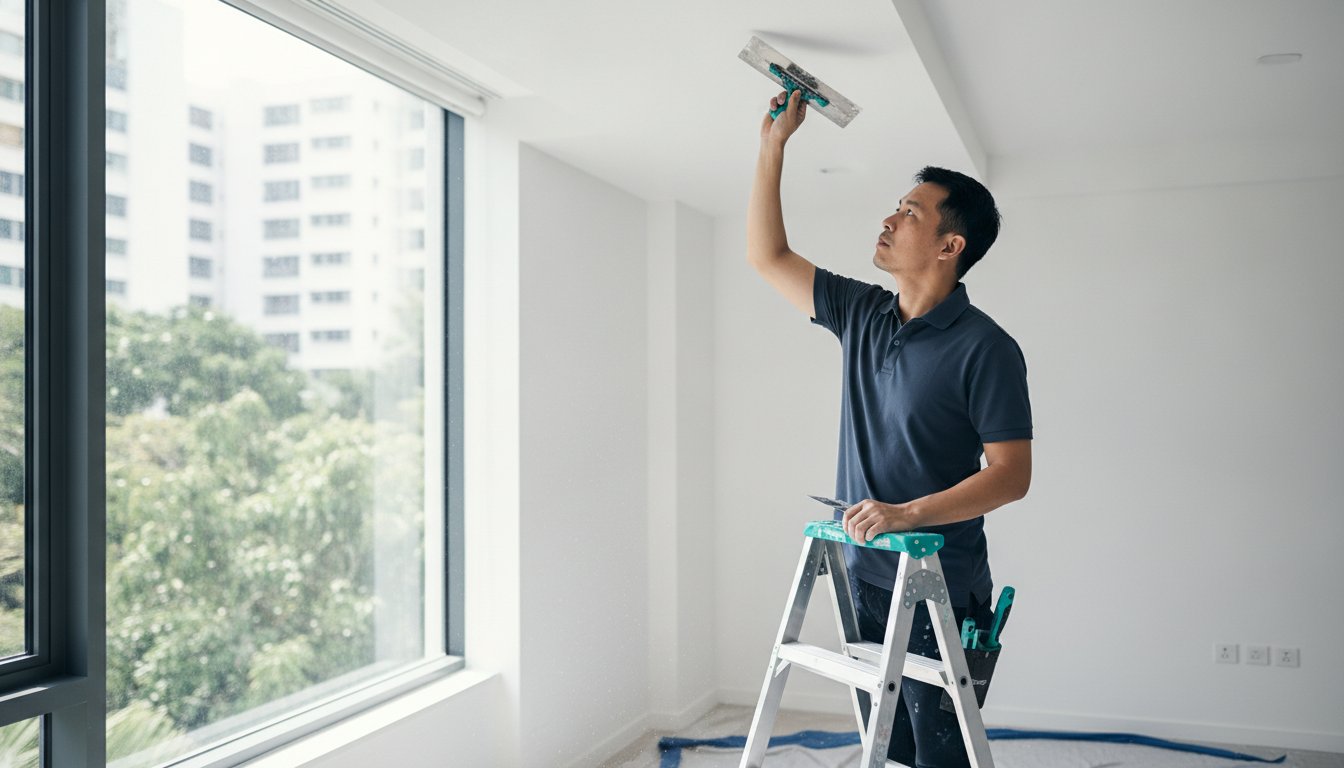
For cosmetic wear, preparation matters as much as the final finish. Walls should be cleaned, small holes filled, uneven surfaces sanded, and loose paint removed before repainting. This is where a professional painting team can save time and prevent patchy results. A smooth surface allows the new color to look intentional rather than like a quick cover-up.
Refresh a Rental Apartment With the Right Paint Plan
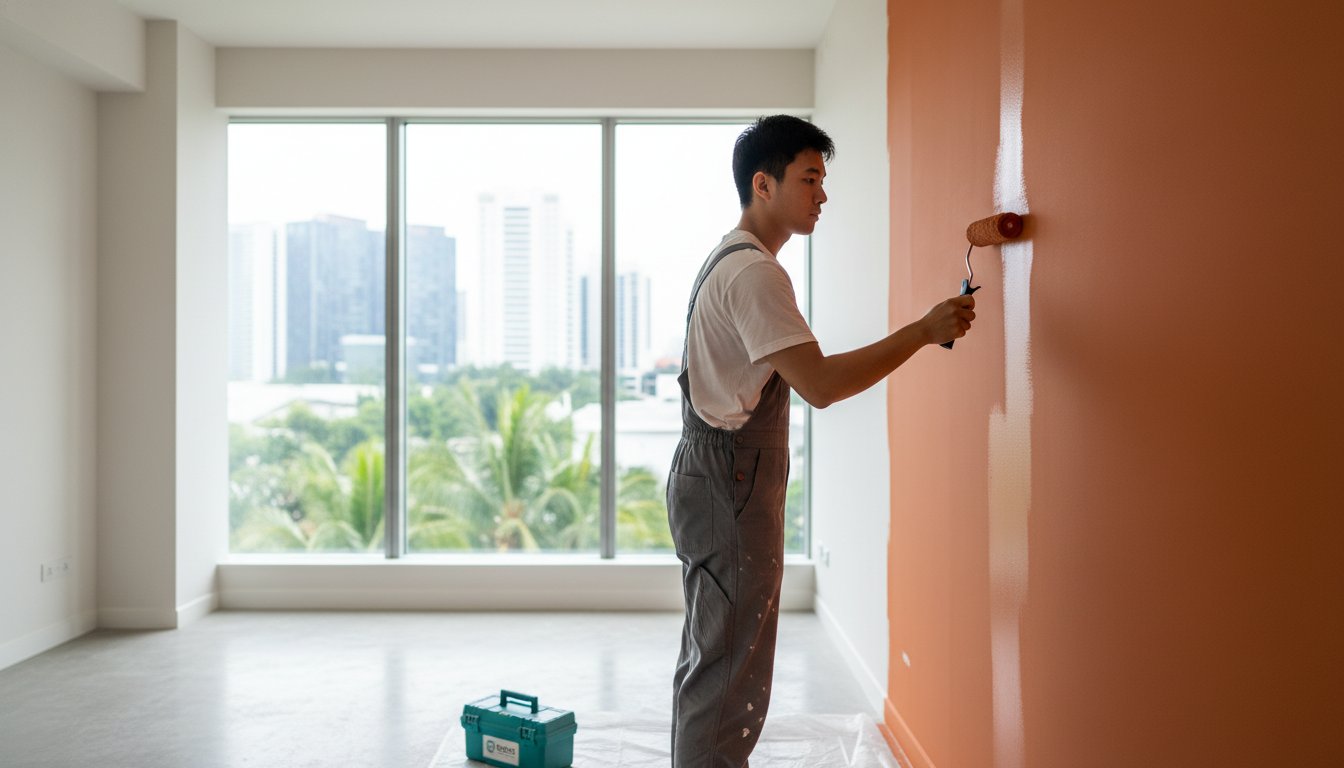
Painting is one of the most effective ways to change the mood of a rental apartment, but it is also the change most likely to require landlord approval. Ask whether you must restore the original color when you leave and whether the property manager has approved paint brands, finishes, or color limits. Keep any approval in writing.
If you are allowed to paint, choose colors that are easy to live with and easy to reverse. Warm white, soft beige, pale greige, muted sage, and light blue-gray can make small rooms feel more open without overwhelming the apartment. Deep feature walls can look striking, but they may require extra coats to cover later. A lighter neutral palette is usually the lower-risk choice for renters.
Paint finish also deserves attention. Flat paint hides minor wall imperfections but can be harder to clean. Eggshell or satin is often more practical for living rooms, bedrooms, and hallways because it offers a gentle sheen and better wipeability. Kitchens and bathrooms need paint that can handle humidity and frequent cleaning. If the apartment has stains, uneven patches, or old colors showing through, proper priming may be necessary for a consistent result.
A professional service can handle color consultation, surface preparation, furniture protection, painting, and cleanup in one coordinated process. That is particularly helpful when you have limited time, are managing a move, or want a polished finish without spending a weekend on ladders and drop cloths. My Paint Job can also recommend low-odor, eco-friendly paint options for occupied homes where comfort and quick turnaround matter.
Paint Less if a Full Repaint Is Not Allowed
Not every lease permits a full color change. In that case, focus on restoring what is already there. A professional touch-up can address scuffs, fingerprints, furniture marks, and discolored areas if the correct color match is available. Cleaning walls with an appropriate solution may also remove surface grime that makes an otherwise sound paint job look dull.
You can add personality through removable elements instead. Consider peel-and-stick wall decals, framed art, fabric wall hangings, or a large mirror that reflects natural light. Test removable products in a discreet area first, particularly on older paint, because adhesives can sometimes pull away a weak finish during removal.
Improve Light Before Buying More Decor
Poor lighting makes even a freshly painted apartment feel flat. Start by replacing harsh, mismatched, or dim bulbs with LED bulbs in a consistent color temperature. Warm white light creates a more comfortable feel in bedrooms and living areas, while brighter neutral light can work well near mirrors, desks, and kitchen prep spaces.
Layer the lighting rather than relying only on ceiling fixtures. A floor lamp beside a chair, a table lamp on a console, and a focused desk lamp can make the apartment feel more functional after dark. If you cannot change permanent fixtures, plug-in lighting offers flexibility without electrical work.
Curtains also influence the room more than many renters expect. Hanging curtains wider and higher than the window can make ceilings appear taller and windows feel larger. Use tension rods where drilling is not permitted, or choose simple hardware that can be patched later with minimal effort. Sheer panels soften daylight, while blackout liners can improve sleep in rooms exposed to streetlights or early sun.
Make Small Repairs Look Finished
A refreshed apartment should not have obvious signs of neglect. Replace yellowed outlet covers if your lease permits it, tighten loose cabinet pulls, lubricate squeaky hinges, and remove old hooks or adhesive residue carefully. These details are inexpensive, but they change how well maintained a space feels.
For holes left by nails or picture hooks, use the right filler for the wall material and sand lightly once dry. Do not rush this stage. Overfilled holes and rough patches often stand out more after paint is applied. If walls have multiple dents, extensive patching, or visible cracking, professional plastering can create a cleaner base for touch-ups or repainting.
Be cautious with bathrooms and kitchens. Darkened sealant, cracked grout, and water-damaged surfaces may be landlord responsibilities rather than renter DIY projects. Report the issue first, then ask whether you may arrange a repair. Keeping written records helps avoid confusion about who approved the work and who is responsible for the cost.
Use Furniture and Textiles to Create a Personal Feel
Once the walls and lighting are in better shape, use furnishings to define the apartment. A rug can anchor a living room, cover worn flooring, and reduce noise. Washable slipcovers can update an older sofa without replacing it. Coordinated cushions, bedding, and throws add color that can move with you to your next home.
Avoid filling every open corner. Rental apartments often feel smaller because of fixed layouts, limited storage, or bulky built-in features. Choose a few pieces with a clear purpose, such as a storage bench near the entry or a slim shelf beside the bed. Keeping pathways open makes the apartment feel calmer and more spacious.
If storage is limited, favor freestanding solutions over permanent installations. Rolling carts, under-bed containers, over-the-door organizers, and modular cabinets can make daily life easier without altering the property. For wall-mounted shelves, confirm drilling rules before making holes, then measure carefully to avoid unnecessary repairs later.
Plan for Move-Out From the Beginning
The smartest rental refresh has an exit plan. Save paint labels, receipts, approval emails, and photos of the work completed. If you use a custom color, keep a small labeled sample for future touch-ups. Store any original hardware you replace, such as cabinet knobs or curtain fittings, in one clearly marked box.
A few weeks before moving out, inspect the apartment again. Look for marks behind furniture, nail holes, stains, and areas where the paint has been damaged by daily use. Scheduling touch-ups or a professional repaint before handover can be more affordable than losing part of your deposit over avoidable cosmetic issues.
A rental apartment does not need permanent renovations to feel fresh and well cared for. Choose improvements that respect the lease, solve visible problems properly, and make everyday living more comfortable. With thoughtful preparation and a quality finish, even a modest apartment can feel like a place you are genuinely happy to come home to.