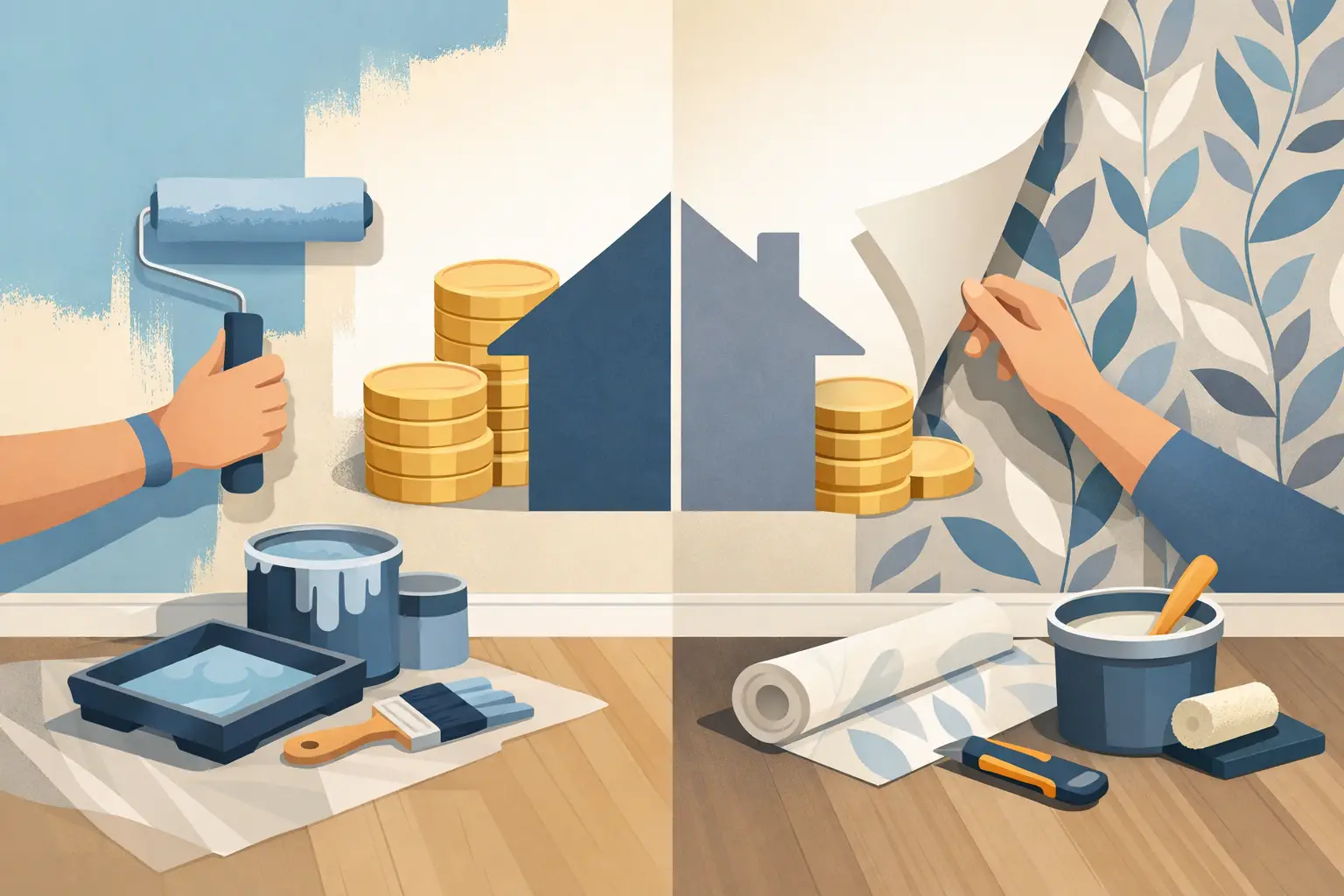
A wall that looks tired rarely stays a small problem for long. Peeling seams, faded paint, trapped stains, and dated patterns can make an otherwise clean room feel neglected. When clients ask about repainting versus wallpaper replacement costs, they are usually not just comparing materials – they are trying to figure out which option will give them the best value, the least disruption, and a finish they will still like a few years from now.
For most homes and commercial spaces, the real answer depends on wall condition, the size of the area, and how much preparation is needed before the final finish goes on. A straightforward repaint can be one of the most affordable ways to refresh a room. Wallpaper replacement can create a stronger design statement, but it often comes with higher labor and preparation costs, especially if old wallpaper needs to be stripped first.
Repainting versus wallpaper replacement costs: what changes the price
On paper, painting often looks cheaper because the material cost is usually lower and the process is more familiar. But pricing is never just about a can of paint or a roll of wallpaper. The condition of the surface has a direct impact on labor, and labor is where many projects rise or fall in cost.
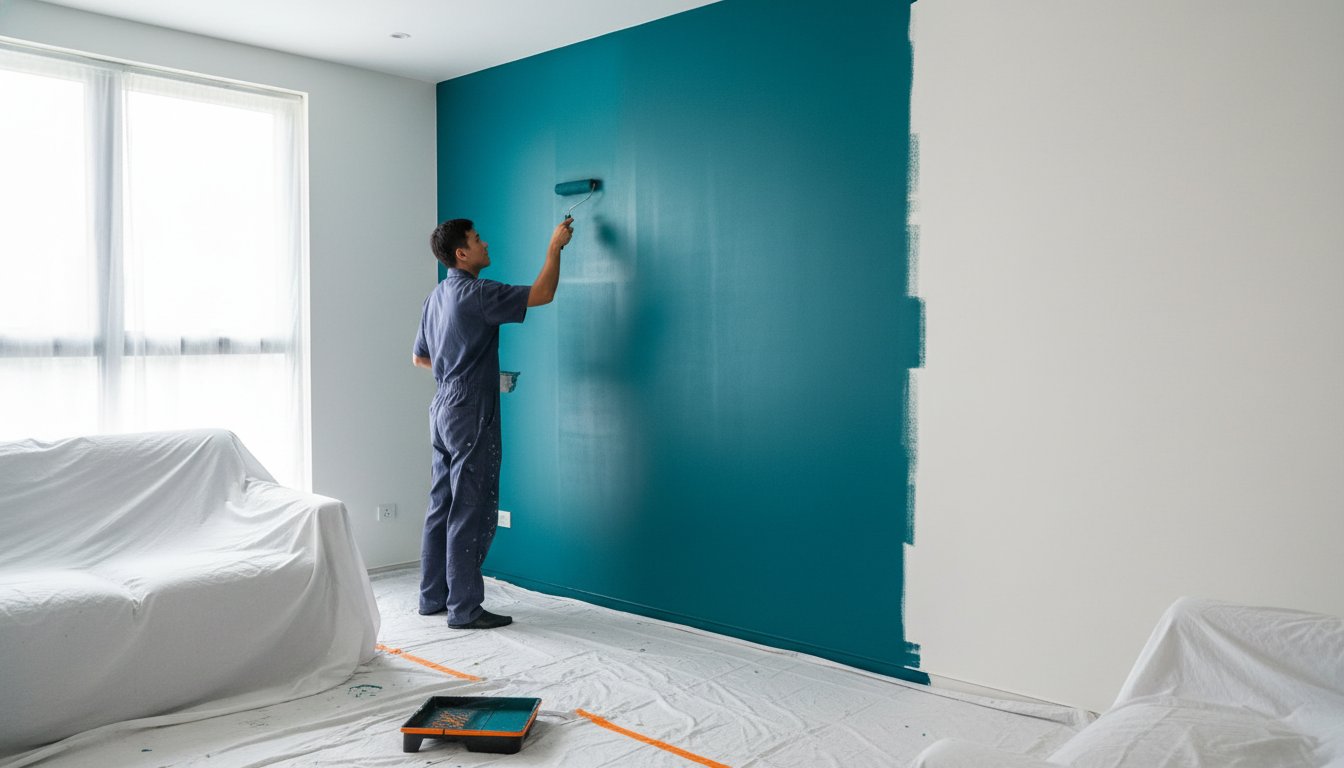
If walls are smooth, dry, and already in decent shape, repainting is usually the lower-cost option. The crew may only need basic preparation such as patching hairline cracks, sanding small defects, applying primer where needed, and then finishing with the selected paint system. In these cases, painting delivers a fast visual improvement without adding too much time to the project.
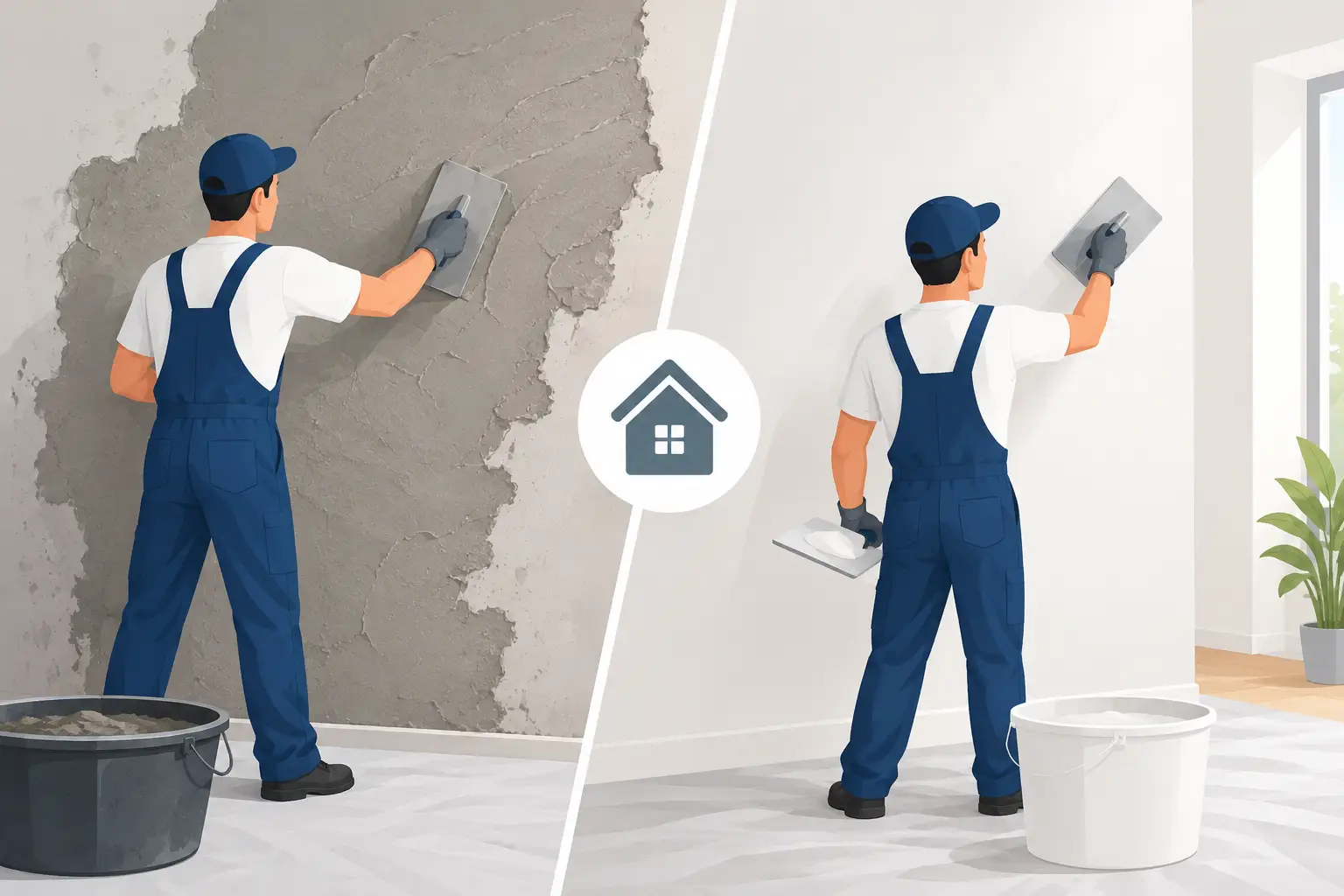
Wallpaper replacement often involves more stages. Old wallpaper may need to be softened, removed, scraped, and cleaned off completely. Adhesive residue has to be dealt with properly. If the wall beneath has absorbed moisture or suffered small tears during removal, repair work may follow before new wallpaper can be installed. That means more time on site and more variables in the quote.
The design itself also affects price. Paint generally scales more predictably across larger areas. Wallpaper can vary sharply in cost depending on pattern, texture, brand, and installation difficulty. A plain vinyl wallpaper is very different from a premium textured finish or a pattern that requires exact alignment across the wall.
When repainting is usually the better value
Painting tends to offer better value when the goal is a clean refresh, a quick turnaround, or a neutral finish that will appeal to future buyers, tenants, or customers. This is especially true in rental units, offices, retail spaces, and family homes where durability and easy maintenance matter more than a decorative feature wall.
Touch-ups are another reason repainting often wins on cost over time. If a section gets scuffed, stained, or marked by furniture, a painter can usually repair and repaint the affected area with less effort than replacing damaged wallpaper. In high-traffic spaces such as hallways, offices, and homes with children, that matters.
Paint also gives you more flexibility when trends change. If you want to switch from beige to soft gray, or from bright tones to something more understated, repainting is relatively simple. With wallpaper, changing direction usually means paying for removal before you even get to the new finish.
For landlords and property managers, this can be a practical financial consideration. A professionally painted unit is often easier to refresh between occupancies than a wallpapered one, particularly if the wallpaper has stains, lifting seams, or design choices that do not suit the next tenant.
Hidden savings that make paint attractive
One advantage of painting is that the full project can often be completed with less disruption. Furniture protection, surface prep, painting, and cleanup can be planned efficiently, and for many properties this means less downtime. If you are repainting an office or retail unit, shorter turnaround can be just as valuable as a lower invoice.
Paint also works well when walls need small correction work. Minor plaster imperfections, patch repairs, and uneven old finishes can usually be improved as part of the prep and paint process. Wallpaper, by contrast, tends to expose wall defects unless the surface is prepared very carefully.
When wallpaper replacement makes sense despite the higher cost
Wallpaper is rarely chosen only because it is cheap. It is usually selected for visual impact, texture, branding, or a specific interior style that paint cannot fully replicate. In a feature wall, reception area, boutique retail space, or statement living room, wallpaper can create a finish that feels more custom and distinctive.
That higher upfront cost can still make sense if the product is durable and the design is intentional. Some commercial-grade wallpapers hold up well in controlled indoor environments and offer a polished appearance over time. In luxury residential spaces, wallpaper can also add depth that flat painted walls do not provide.
Still, the wall has to be right for it. Humid areas, poorly ventilated rooms, and surfaces with prior moisture issues may not be ideal. If wallpaper starts peeling or bubbling, the cost advantage disappears quickly because repairs are not always invisible. In those cases, high-quality paint may be the more dependable long-term finish.
The biggest cost trap in wallpaper projects
The most common reason wallpaper jobs become more expensive than expected is poor substrate condition. If previous layers were installed incorrectly, if glue was not removed properly, or if the wall was never leveled well to begin with, replacement can turn into a repair project first.
This is why site inspection matters. A proper quote should consider not only the visible wallpaper but also what is likely underneath it. Experienced contractors price for preparation realistically because a clean finish depends on what happens before the new surface goes up.
Cost over time matters as much as installation cost
If you only compare the first invoice, repainting usually comes out ahead. But property owners should also consider upkeep, future changes, and repair flexibility.
A painted wall may need refreshing sooner in some rooms, especially if the existing paint quality was low or the space sees heavy use. However, maintenance is straightforward. Repainting one room or one full unit is familiar, scalable, and often budget-friendly.
Wallpaper may last well when installed correctly in the right environment, but when it fails, the fix is usually less simple. Matching older wallpaper can be difficult. Replacing one section may not blend properly. If the pattern is discontinued, full replacement may be the only clean solution.
That is why the lower long-term hassle often belongs to paint, even if wallpaper has a longer decorative lifespan in select spaces. For practical property maintenance, the easier finish to repair often becomes the better investment.
How to choose the right option for your space
For a resale property, rental unit, office repaint, or broad interior update, painting is usually the safer financial decision. It is more versatile, easier to maintain, and often faster to complete. If your walls need surface improvement anyway, it also allows that work to be handled in one coordinated process.
For a feature-driven space where aesthetics carry more weight, wallpaper can still be worth the added cost. The key is to budget for proper removal, wall preparation, and skilled installation rather than treating wallpaper as a quick decorative shortcut.
At My Paint Job, this is where professional assessment makes a difference. A reliable contractor should help you look beyond the finish itself and consider wall condition, room usage, moisture exposure, and how long you want the result to last. That leads to a decision based on value, not guesswork.
Repainting versus wallpaper replacement costs for homes and businesses
Residential and commercial projects often have different priorities. Homeowners may care more about style preference and comfort, while commercial clients usually focus on turnaround, durability, and presentation. In both cases, repainting tends to suit spaces where consistency, easy upkeep, and affordability matter most.
Wallpaper replacement can be worthwhile when the visual effect supports the purpose of the room. A branded retail wall or a standout residential focal point may justify the higher spend. But for broad coverage across multiple rooms or large wall areas, painting is usually the more cost-controlled solution.
The best choice is the one that fits both the surface and the purpose. If you want a fresh, dependable result with simpler maintenance, repainting is often the stronger value. If you want a specific design finish and are prepared for the extra preparation that may come with it, wallpaper replacement can still be the right investment. Start with the condition of the wall, not just the look of the finish, and the cost decision becomes much clearer.