
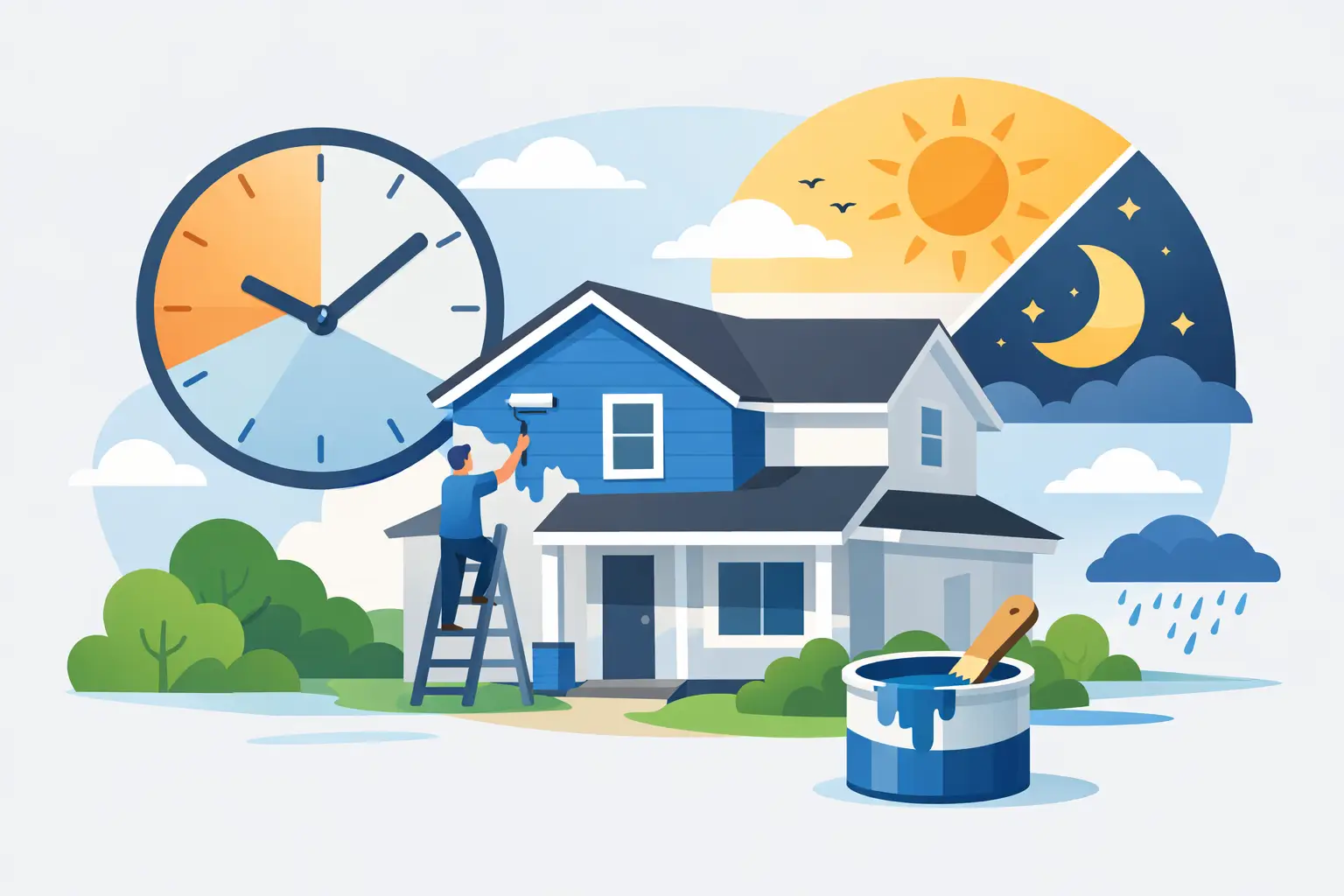
A fresh paint job can make a tired room feel new, protect exterior surfaces, and improve how a property is perceived. But the best time to repaint house surfaces is not simply when the walls look dull. Timing affects drying, paint adhesion, project disruption, and how long the finished work will last.
For most homeowners and property managers, the right window is when the property can be properly prepared, the space can be ventilated, and daily routines will not be unnecessarily interrupted. In Singapore’s warm, humid climate, planning around rain, moisture, and occupancy is especially important. A professional painting team can work year-round, but the schedule and preparation process should match the condition of the home or business.
Best Time to Repaint House Interiors
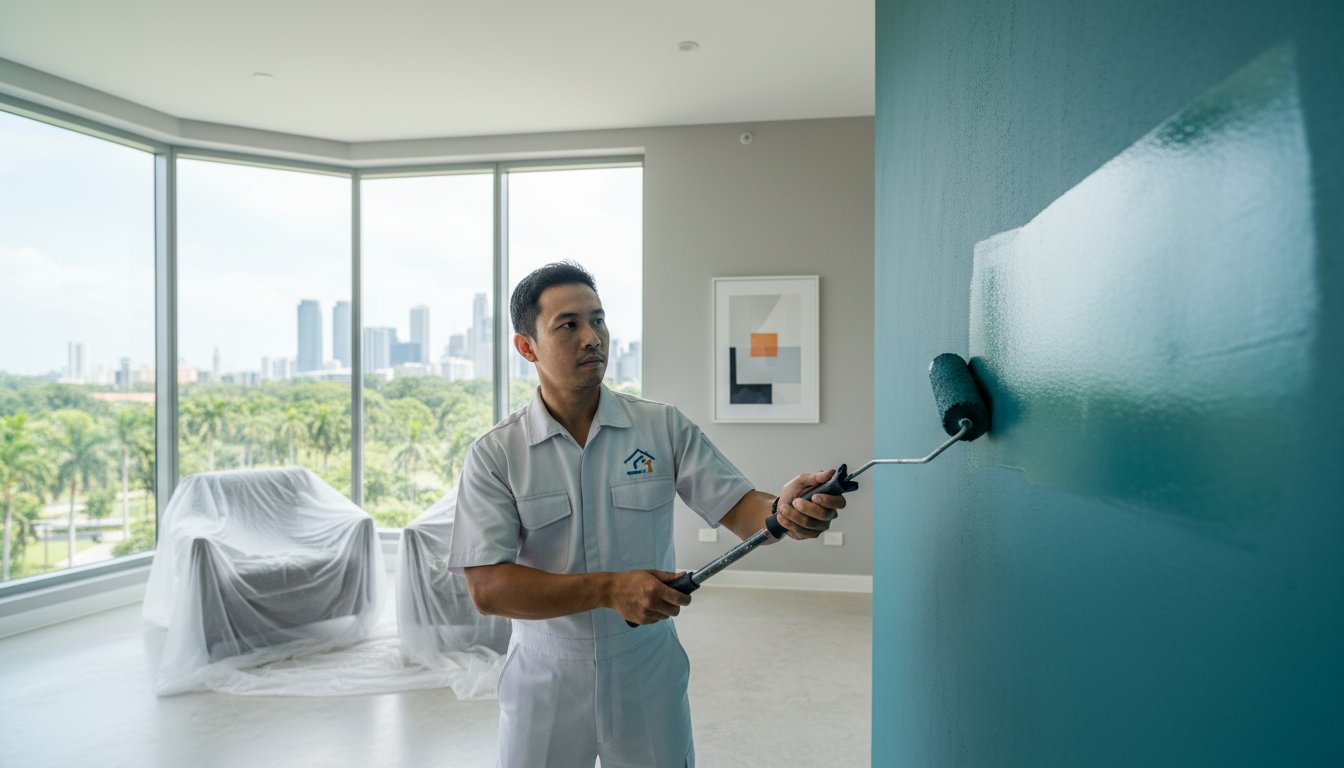
Interior painting is more flexible than exterior work because weather has less direct impact. Still, a few practical conditions make a noticeable difference. The best time is often before moving into a new home, after a tenant moves out, or before major furniture and renovation work begins.
An empty or lightly furnished space allows painters to protect floors, move furniture safely, repair wall damage, and paint efficiently. It also gives new paint time to dry and air out before the household returns to normal. This is particularly useful for HDB flats, condominiums, and rental properties where a clean handover matters.
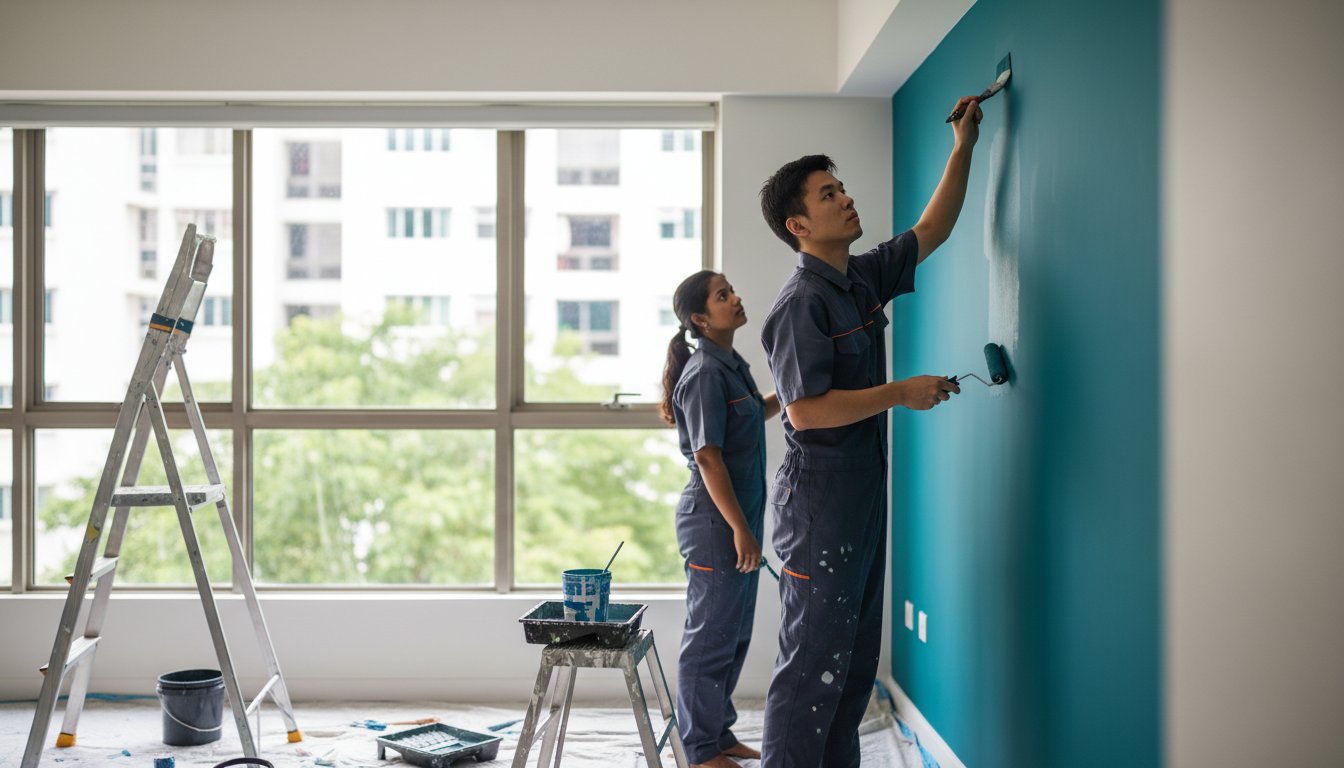
If you are living in the property during the project, choose a period when you can give each room some breathing room. Painting bedrooms one at a time may be more practical for families, while painting during office closures or quieter trading days can reduce disruption for commercial spaces. Low-odor and eco-friendly paint options can also make the process more comfortable when people need to remain on site.
Before move-in or after move-out
This is usually the most convenient time to repaint an entire interior. There is no need to work around beds, workstations, appliances, or daily foot traffic. Painters can inspect every wall closely, address hairline cracks or peeling areas, and complete the work with fewer interruptions.
For landlords, repainting between tenancies helps present the unit well and allows any stains, scuffs, or minor wall defects to be corrected before the next occupant arrives. For homeowners, painting before move-in prevents the frustration of covering newly painted walls with furniture movements and renovation dust.
Before festive gatherings or property viewings
Many owners repaint ahead of family events, holidays, or a planned sale or rental listing. This can be a smart choice, provided the project is scheduled early enough. Waiting until the final few days before an event creates unnecessary pressure, especially if plaster repairs, wallpaper removal, or concrete repair is needed first.
Allow time for inspection, color selection, surface preparation, painting, drying, and cleanup. A room may look finished quickly, but proper preparation is what creates the smooth, durable result people notice.
When to Paint Exterior Walls and Outdoor Features
Exterior painting depends far more on weather. Paint needs a dry, stable surface to adhere properly. Rain, high moisture levels, and trapped dampness can lead to blistering, uneven drying, peeling, or premature failure.
In a tropical environment, there may not be a long dry season that guarantees perfect conditions. The practical approach is to schedule exterior work during a period with a more favorable forecast and allow the contractor to adjust work around rain. Experienced painters assess wall moisture, surface condition, and drying time rather than applying paint simply because the calendar says it is time.
This applies to exterior walls, gates, grills, railings, and exposed woodwork. Metal surfaces may need rust treatment before painting, while timber may require sanding and varnishing or a protective coating. If these underlying issues are skipped, even premium paint will not perform as it should.
Do not paint immediately after heavy rain
A wall can look dry while retaining moisture below the surface. Painting too soon can trap that moisture and weaken the finish. It is better to let the surface dry fully, inspect it for mold, cracks, or flaking paint, and complete repairs before the first coat is applied.
For landed homes and commercial buildings, access also matters. Exterior painting may require ladders, protective coverings, or coordinated access to shared areas. Building management requirements and neighboring properties should be considered when selecting dates.
Signs It Is Time to Repaint, Regardless of Season
A calendar can help with planning, but the condition of the surface should guide the final decision. Interior walls commonly need repainting every few years, depending on traffic, sunlight, cooking exposure, children, pets, and cleaning habits. Exterior surfaces may need attention sooner if they face strong sun, driving rain, or persistent moisture.
Watch for these clear signs that a repaint should not be delayed:
- Paint is peeling, bubbling, cracking, or chalking when touched.
- Walls show stubborn stains, water marks, mildew, or grease that cleaning cannot remove.
- Colors have faded unevenly, especially near windows or on sun-exposed exterior walls.
- Small cracks, dents, and plaster damage are becoming more visible.
- The property is being prepared for a new tenant, sale, opening, or renovation.
A repaint is not always only about appearance. Peeling paint can expose surfaces to further damage, and recurring damp marks may point to an issue that needs to be resolved before painting begins. A reliable contractor should identify whether the wall needs simple touch-up work, plastering, waterproofing-related investigation, or more extensive repairs.
Plan Around Preparation, Not Just Paint Color
The quality of a paint job is decided long before the final coat goes on. Proper preparation includes protecting furniture and floors, cleaning surfaces, scraping loose paint, filling cracks, sanding rough areas, and applying the right primer where needed. These steps are especially important when changing from a dark color to a light shade, covering stains, or repainting older properties.
If the walls have wallpaper, removing it carefully is essential. Rushing this stage can leave adhesive residue or damage the wall surface, resulting in an uneven finish. Similarly, areas affected by spalling concrete or water damage should be repaired before repainting. Paint can improve appearance, but it cannot solve a failing surface underneath.
Color planning also deserves time. A bright white may make a compact room feel cleaner and more open, while warmer neutrals can make a large living area feel inviting. Offices and retail spaces often benefit from colors that support the brand environment without making the space feel harsh or overly busy. Testing shades under the property’s natural and artificial lighting helps prevent expensive second thoughts.
How Much Time Should You Set Aside?
The answer depends on the size of the property, the amount of repair work required, the number of colors, and whether the space is occupied. A small refresh of one or two rooms may be completed quickly. A full apartment, landed home, office, or retail unit requires more coordination, particularly if furniture must be moved or business operations need to continue.
Instead of booking the paint job around an inflexible deadline, build in a reasonable buffer. This gives the team time to complete surface repairs correctly, accommodate drying conditions, and carry out final touch-ups. Express painting can be useful for urgent handovers or short turnaround projects, but speed should still include proper protection, preparation, and cleanup.
For commercial properties, consider timing the work around lower-traffic periods, weekends, public holidays, or phased room-by-room schedules. The goal is a polished result without disrupting staff, customers, or essential operations more than necessary.
A Better Way to Schedule Your Repaint
Start with an on-site assessment rather than guessing based on photos or a neighbor’s timeline. The condition of the walls, the property layout, ventilation, furniture, and planned use of the space all affect the schedule. A clear quote should explain what preparation is included, what materials will be used, and whether repairs need to be handled before painting.
My Paint Job helps homeowners and businesses plan the work from color consultation through protection, painting, and final cleanup. That end-to-end approach is valuable when you want a refreshed property without having to coordinate every technical detail yourself.
The best date is the one that gives your walls the preparation and drying time they deserve, while fitting the way you live or operate. Plan a little earlier than you think you need to, and your new finish can feel like an improvement rather than a rushed task on a deadline.

Pingback: How to Paint Metal Gates for a Lasting Finish - My Paint Job Singapore