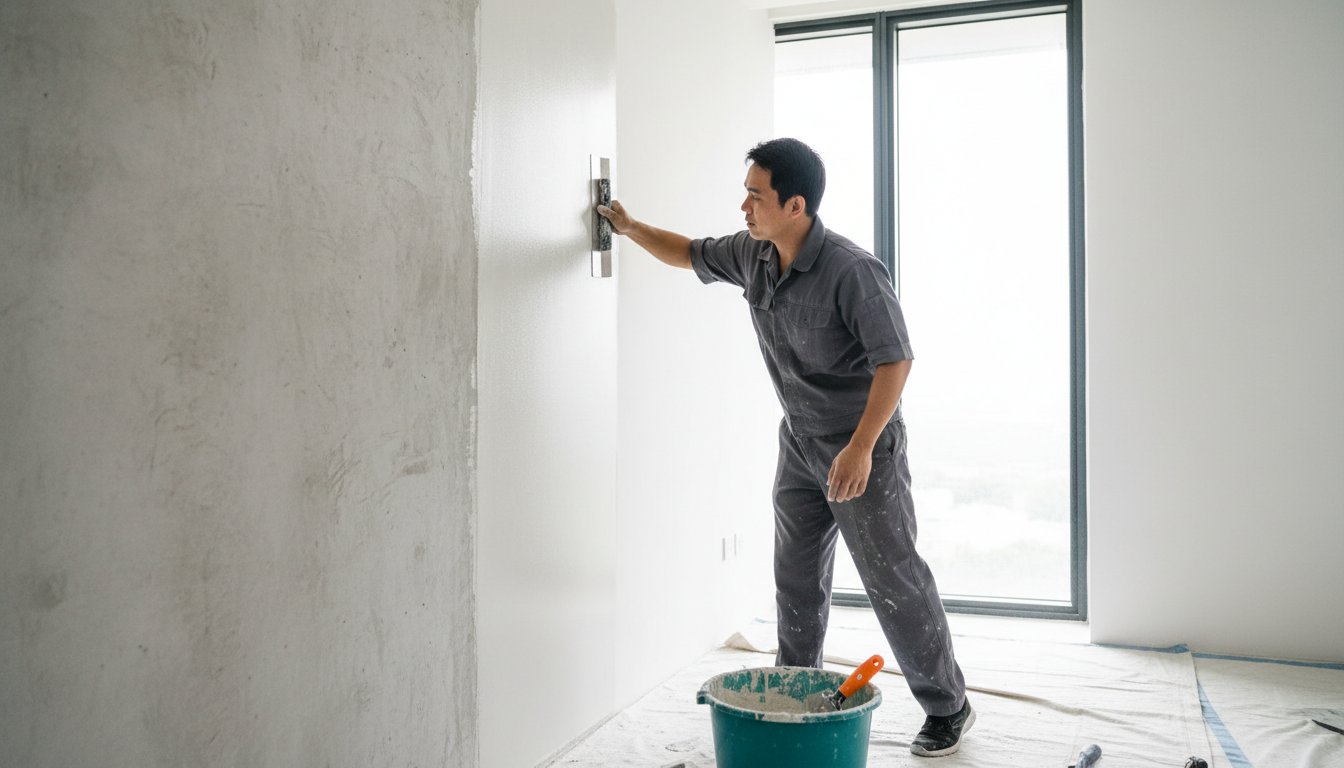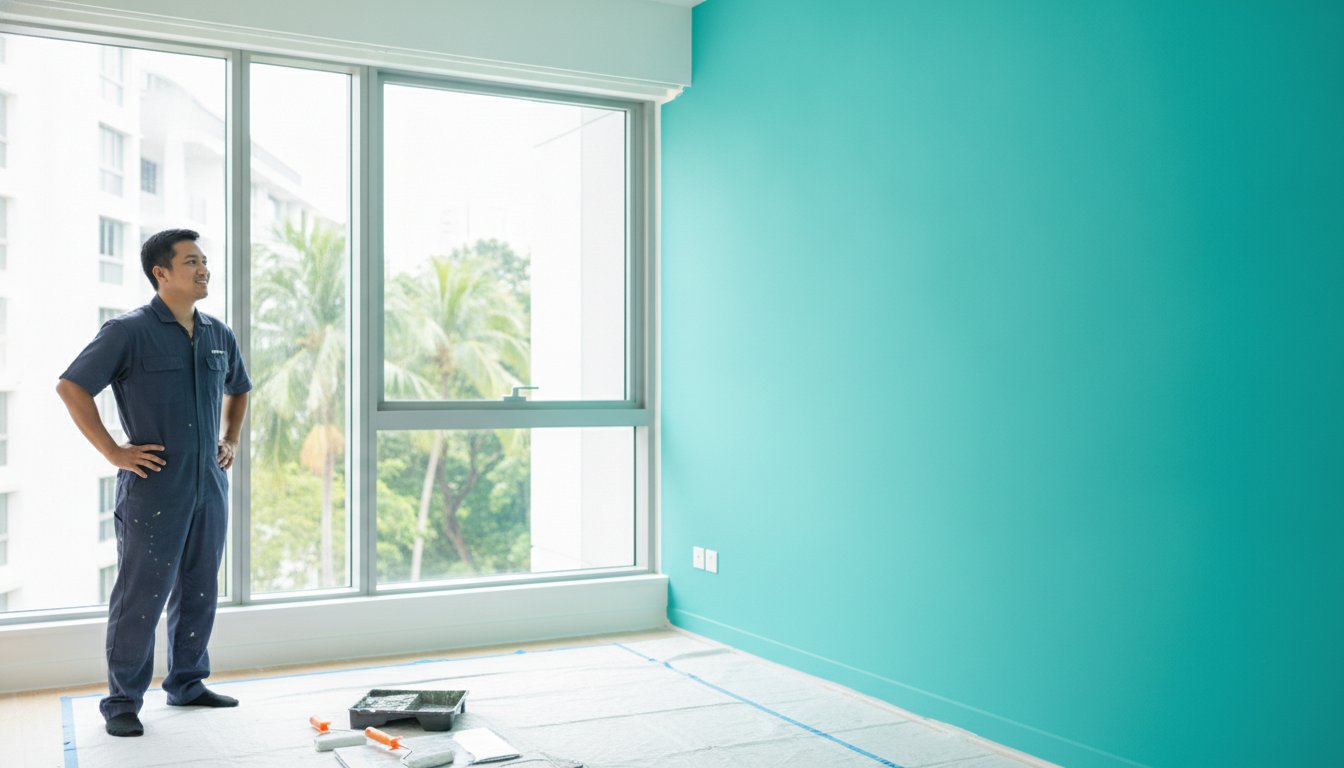

A fresh coat of paint can make a room feel cleaner, brighter, and more considered, but the finish will only look as good as the product and preparation behind it. The best paint brands for walls are not necessarily the most expensive ones. They are the brands that offer dependable coverage, the right finish for the room, durable performance, and a color you will still enjoy after the furniture is back in place.
For homeowners, landlords, and property managers, choosing paint is often more complicated than picking a shade card. A matte white may look elegant in a living room but be difficult to maintain in a busy hallway. A low-odor paint may be the right choice for a home with children, while an office may need a hard-wearing finish that stands up to regular cleaning. The right brand depends on how the space is used, the condition of the walls, and the result you expect.
What Makes a Wall Paint Brand Worth Choosing?
A quality paint brand should deliver more than an attractive color. It should apply consistently, cover the existing surface well, and dry to a finish that suits the room. Better formulations typically contain more quality pigments and binders, which can improve color richness, opacity, washability, and resistance to everyday marks.
Coverage matters because it affects both cost and appearance. Paint that requires multiple extra coats can turn a seemingly affordable choice into a more expensive project. Poor coverage also makes uneven patches, old colors, and repair areas more likely to show through.
Durability is equally important. Walls near entryways, dining areas, kitchens, children’s rooms, and commercial traffic zones need paint that can tolerate scuffs and occasional wiping. For bedrooms and low-traffic rooms, a softer matte finish may be preferable because it gives a calm, refined look and hides minor wall imperfections more effectively.
Indoor air quality should also be part of the decision. Low-VOC and low-odor paint options can make the repainting process more comfortable, especially when a home is occupied or a business has limited downtime. They are a practical choice for nurseries, bedrooms, clinics, offices, and properties where quick reoccupation is needed.
Best Paint Brands for Walls: What to Look For
Rather than treating one brand as best for every project, it is more useful to compare reputable paint systems by their strengths. Leading brands such as Nippon Paint, Dulux, Jotun, Benjamin Moore, and Sherwin-Williams all offer quality interior wall products, but their suitable applications can differ by product line, finish, and local availability.
Nippon Paint for Practical Everyday Interiors
Nippon Paint is widely selected for residential and commercial interiors because its range covers common needs, from standard wall refreshes to washable, low-odor, and mold-resistant coatings. It is often a sensible choice for apartments, rental units, and offices where dependable results and reasonable value are priorities.
For everyday rooms, look for products designed for easy cleaning and stain resistance rather than choosing solely by color. This is particularly helpful in hallways, living areas, and homes with young children. When paired with proper wall preparation, a washable formulation can keep a painted space looking presentable for longer.
Dulux for Color Choice and Washable Finishes
Dulux is known for broad color selection and interior products that balance appearance with easy maintenance. Its washable options are useful for active family homes and spaces where walls are likely to be touched, bumped, or cleaned regularly.
The key is to select the correct sheen. A washable eggshell or low-sheen finish may be a better fit than flat paint in a frequently used room. It provides more resistance to marks while avoiding the noticeably shiny look that some homeowners do not want on large wall surfaces.
Jotun for Humidity and Long-Term Protection
Jotun is a strong contender for properties where humidity, staining, or surface protection are ongoing concerns. In humid climates, paint selection is not only about decorative color. Moisture management, ventilation, previous water damage, and proper surface treatment all influence how well a coating performs.
Mold-resistant paint can be valuable in kitchens, bathrooms, laundry areas, and rooms with limited airflow. However, paint cannot solve an active leak or persistent condensation issue by itself. Any underlying moisture problem should be repaired before painting, or the new finish may fail prematurely regardless of the brand used.
Benjamin Moore and Sherwin-Williams for Premium Finish Needs
Benjamin Moore and Sherwin-Williams are often associated with premium interior finishes, strong color performance, and specialized paint lines. They can be an excellent fit for higher-end residential projects, feature walls, detailed trim work, and spaces where a particular depth of color or finish quality is the priority.
Their higher price point is not always necessary for every repainting job. A utility room, short-term rental refresh, or large commercial back-of-house area may benefit more from a reliable mid-range product and careful application. Premium paint tends to make the most sense when appearance, color accuracy, and long-term touch-up performance are especially important.
Match the Paint Finish to the Room
Even the best wall paint can disappoint if the sheen is wrong. Flat and matte paints offer a soft, modern appearance and conceal small surface flaws well. They work beautifully in bedrooms, formal living rooms, and ceilings, but they may be less forgiving when frequent scrubbing is needed.
Eggshell and low-sheen finishes provide a small amount of reflectivity and are generally easier to clean. They are versatile choices for living rooms, hallways, dining spaces, and many office interiors. Satin has more sheen and greater durability, making it practical for busy walls, kitchens, and children’s rooms.
Semi-gloss and gloss are more commonly reserved for trim, doors, cabinets, grills, and gates rather than broad wall areas. Their reflective surface highlights imperfections, so preparation becomes even more critical. If your walls have patching, hairline cracks, or uneven texture, a lower-sheen wall paint usually gives a more polished final result.
Paint Quality Depends on Surface Preparation
Brand selection matters, but paint cannot hide every surface problem. Flaking paint, chalky walls, water stains, cracks, mold, and poorly repaired holes need attention before the first coat goes on. Skipping this stage may lead to peeling, visible repairs, uneven absorption, or a finish that looks patchy under daylight.
A professional painting process begins with inspection. Walls may need cleaning, sanding, scraping, crack filling, skim coating, stain blocking, or primer before the chosen topcoat is applied. Primer is especially useful when changing from a dark color to a light one, painting over a repaired area, or working with porous new plaster.
This preparation is where an experienced painting contractor adds real value. The team can assess whether an issue is cosmetic or whether it requires wall plastering, moisture treatment, or spalling concrete repair before painting. Addressing the source of the problem protects your investment and produces a finish that looks smooth from every angle.
How to Balance Budget, Durability, and Appearance
A smart painting budget is based on the entire job, not just the price of a can. Lower-priced paint may work well for low-traffic areas or short-term projects, but it can require more coats or show marks sooner. Higher-grade paint can offer stronger coverage and easier maintenance, potentially reducing future repainting needs.
For rental properties, a durable neutral shade in a washable finish is often the most practical choice. For owner-occupied homes, it may be worth investing in premium paint for living spaces and bedrooms where color quality and comfort matter every day. For offices and retail spaces, prioritize fast drying, low odor, cleanability, and a schedule that minimizes disruption to operations.
A reliable contractor should explain these trade-offs clearly instead of pushing one product for every room. At My Paint Job, the focus is on matching the paint system, finish, and preparation work to the property’s actual condition and use, then handling the details from furniture protection through cleanup.
A Better Way to Choose Wall Paint
Start with the room, not the brand name. Consider who uses the space, how often the walls are cleaned, how much natural light the room receives, and whether humidity or surface damage is present. Then narrow your choices to a reputable paint line with the finish and performance features you need.
Bring home sample colors when possible and view them at different times of day. White can read warm, cool, gray, or yellow depending on lighting, surrounding finishes, and the existing floor color. Testing a sample on the actual wall is far more dependable than choosing from a small swatch under showroom lighting.
The best result comes from a paint brand that fits the room and a process that respects the surface underneath it. With the right product, careful preparation, and precise application, your walls can do more than look freshly painted – they can make the entire property feel properly cared for.