
That fresh paint smell is not always a good sign when you live in a smaller space. In apartments, odor lingers longer, ventilation is often limited, and there is less room to stay out of the way while walls dry. That is why low odour paint for apartments has become a practical choice for homeowners, tenants, landlords, and property managers who want a cleaner, more comfortable repaint without turning the whole unit upside down.
If you are planning to repaint an apartment, the goal is usually simple: improve the look of the space fast, keep disruption low, and avoid days of strong fumes. The right paint can help, but the paint itself is only part of the result. Surface condition, prep work, drying time, airflow, and workmanship all affect how comfortable the job feels while it is happening and how well the finish lasts afterward.
Why low odour paint for apartments makes sense
Apartments create a different painting environment from larger homes. Bedrooms, living rooms, kitchens, and hallways are close together, and there is not always an easy way to isolate one area from another. If children, elderly family members, tenants, or pets are in the unit, strong paint odor can quickly become the biggest issue, even before you think about color or finish.
Low odour paint is designed to reduce the sharp smell that many people associate with repainting. In practical terms, that often means a more manageable experience during and after the job. You may still notice some scent because paint is still a coating that needs to dry and cure, but it is generally less aggressive than traditional options.
For occupied apartments, this matters. It can make it easier to repaint a nursery, refresh a rental unit between tenants, or complete an express job in a condo without making the space uncomfortable for everyone nearby. It is especially useful when repainting rooms that are used daily, such as living areas and bedrooms.
What low odour paint really means
Low odour does not mean odor-free, and it does not automatically mean every product performs the same way. Some paints are marketed for comfort and indoor use, while others also focus on lower emissions and improved indoor air quality. Those details matter if your priority is not just smell, but the overall living environment after painting.
This is where many apartment owners get tripped up. They assume choosing a low-smell paint is enough, then wonder why the room still feels stuffy or why the finish looks uneven. Paint selection helps, but proper prep and application are what turn a good product into a reliable result.
A professional team will typically look at the wall condition first. If the surface has stains, peeling patches, hairline cracks, dampness marks, or old repairs, those need to be handled before new paint goes on. Otherwise, even the best low odour paint can struggle to cover properly or may require extra coats, which extends the job and increases the time the space is unusable.
Best places to use low odour paint in an apartment
The obvious answer is everywhere indoors, but some rooms benefit more than others. Bedrooms are usually at the top of the list because they are enclosed spaces where people spend long hours. Children’s rooms, study areas, and nurseries also make sense because comfort matters as much as appearance.
Living rooms and hallways are good candidates too, especially in smaller apartments where airflow does not move evenly from room to room. If your kitchen walls are being repainted, low odour products can help make the process less disruptive, although paint choice still needs to suit moisture, grease, and regular cleaning.
Bathrooms are a bit more specific. A lower-odor product is helpful, but moisture resistance becomes just as important. In these areas, choosing paint based only on smell can be a mistake. The coating must also handle humidity well, or you will end up repainting sooner than expected.
The trade-off: low odor versus durability
Many customers ask whether low odour paint is weaker than conventional paint. The short answer is that it depends on the product line, the surface, and where it is used. Modern premium paints have improved significantly, and many low-odor interior paints now offer strong coverage, washable finishes, and dependable color retention.
Still, there are trade-offs to consider. Some lower-cost paints marketed as low odor may not cover dark colors as efficiently, which can mean more coats. Some finishes may also show roller marks or touch-ups more easily if application is rushed. That is not a reason to avoid them. It simply means product quality and painter skill matter more than marketing labels.
For apartment owners who want lasting value, it is usually better to choose a reputable premium paint and pair it with proper prep rather than focus on odor alone. Affordability matters, but repainting too soon because the finish failed is rarely the cheaper option.
Why workmanship matters as much as the paint
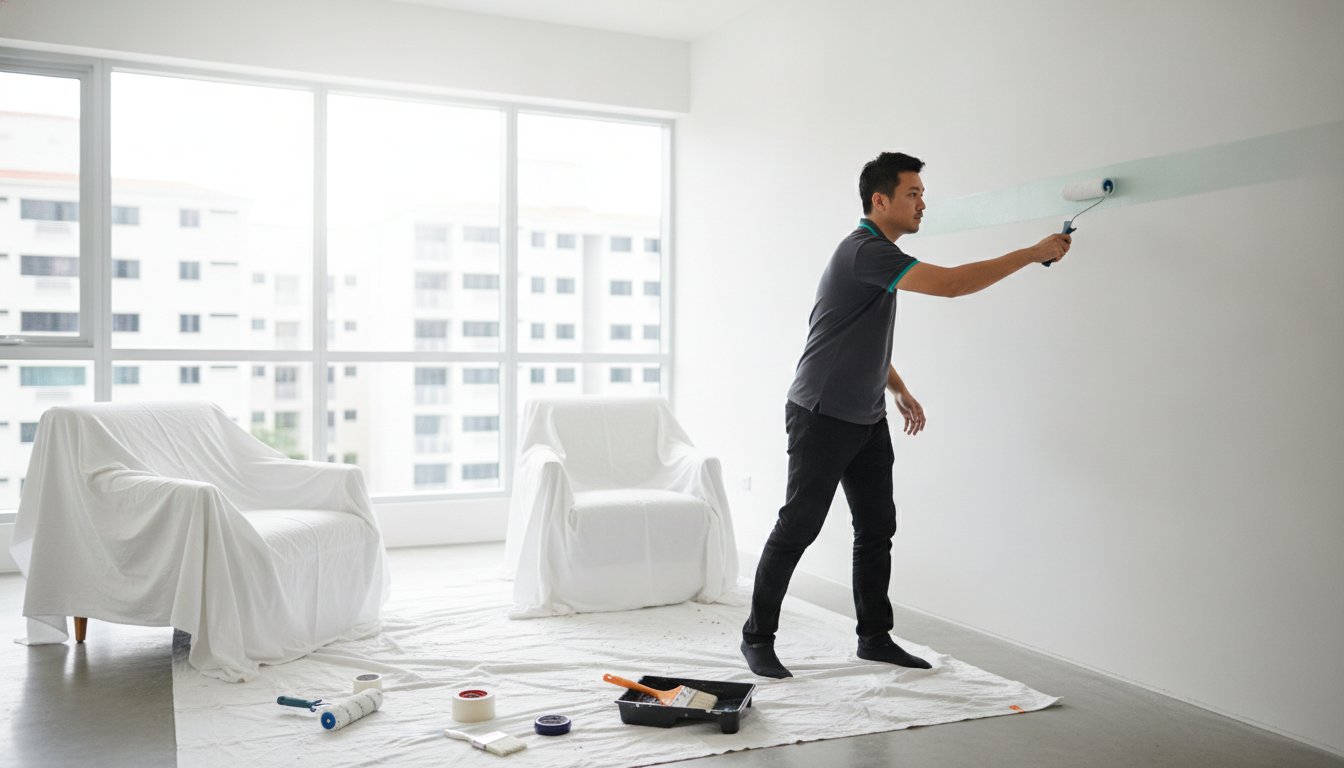
A lot of painting stress comes from the process, not just the smell. Drips on flooring, dust from poor prep, furniture left uncovered, and uneven cut lines can make a repaint feel far more disruptive than it should. In apartments, where space is tighter and every room is visible, small mistakes stand out quickly.
That is why a managed painting service makes a real difference. The job should start with a site inspection and clear recommendations, not guesswork. Furniture needs to be protected or moved carefully. Wall defects should be repaired where needed. The paint system should match the room use, and the work should be organized so the apartment stays as functional as possible during the project.
This is especially important for landlords and tenants working on a timeline. If the unit needs to be handed over, listed, or occupied soon, fast turnaround only works when the preparation and painting sequence are done properly. A rushed job with the wrong product can leave behind lingering odor, patchy coverage, or surfaces that scuff too easily.
How to choose the right low odour paint for apartments
Start with the way the room is used. If it is a bedroom or living area, comfort and appearance may be the main priorities. If it is a kitchen, hallway, or rental unit with heavier wear, washability and durability become more important.
Next, think about the wall condition and the existing color. Covering a light shade with another light shade is usually straightforward. Switching from dark to light, painting over stains, or dealing with patched surfaces may require a different primer or additional coats. That affects both budget and schedule.
Then consider the finish. Flat or matte paint can soften wall imperfections, but it may mark more easily in high-traffic areas. Eggshell or satin finishes are often easier to clean, which makes them practical for family apartments and rental properties. There is no single best answer for every room.
If you want the least disruption, ask not only about paint brand but also about the full workflow. How will the room be prepared? How will odors be managed during drying? How long before the space can be used normally? A dependable contractor should be able to answer these questions clearly and tailor the job to your apartment layout and timeline.
When professional painting is the better choice
Apartment painting looks simple until logistics get involved. Tight corners, built-ins, patch repairs, ceiling lines, and occupied rooms can turn a weekend DIY plan into a drawn-out inconvenience. If your priority is a polished finish with less mess and less downtime, professional handling is usually the better route.
A service-focused team can help you choose colors, recommend low-odor paint options, protect your furnishings, complete the work efficiently, and clean up properly at the end. That matters if you are repainting before moving in, preparing a rental for handover, or upgrading a unit while still living in it. Companies like My Paint Job are built around exactly that kind of low-disruption execution.
Low odour paint for apartments is not just about avoiding a strong smell. It is about making the entire repainting process more comfortable, more manageable, and more suited to real apartment living. When the paint, prep, and workmanship are aligned, you get a space that looks refreshed without the usual hassle – and that is what most people are really paying for.