
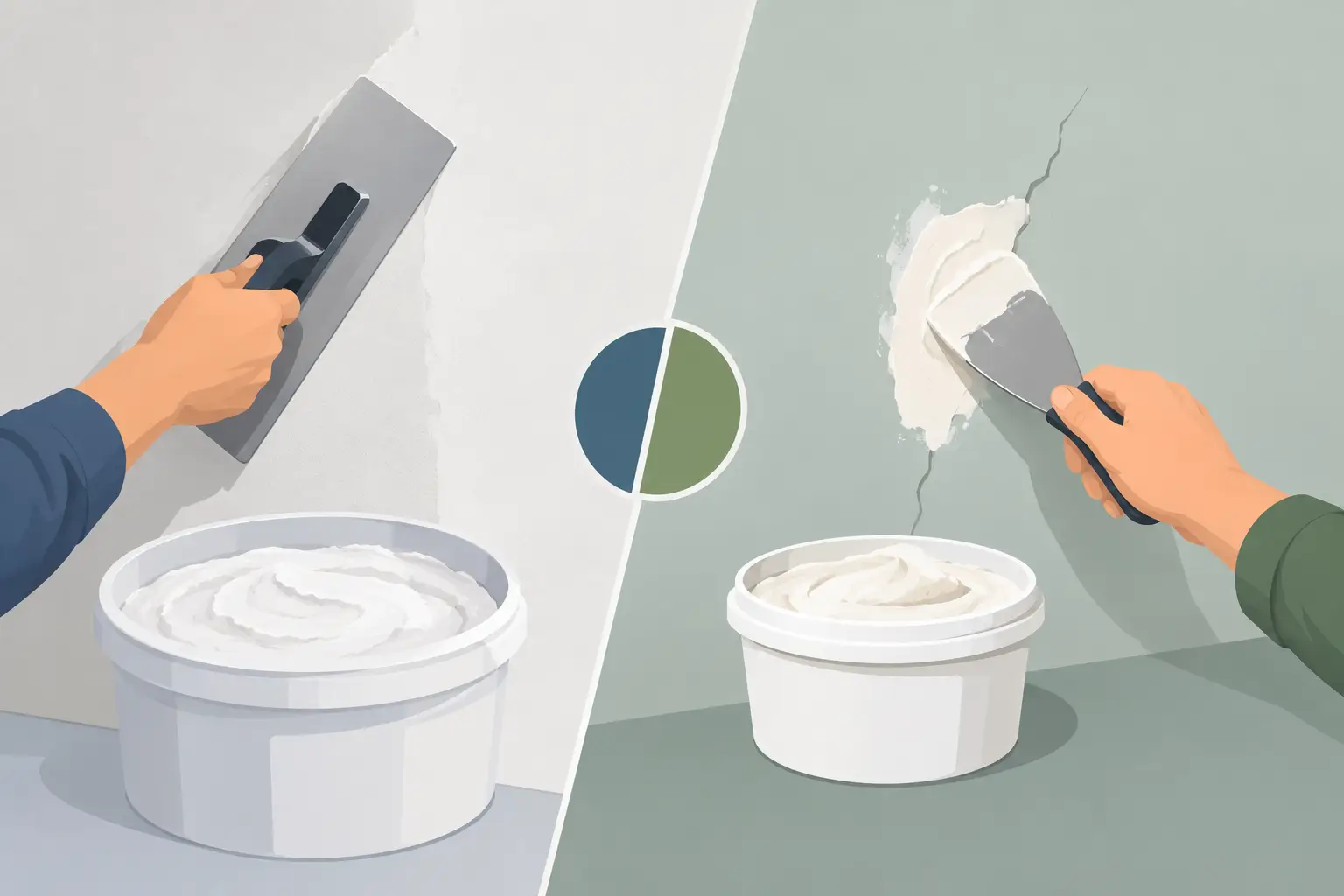
A fresh coat of paint cannot hide every wall problem. If a wall has ripples, patchy repairs, hairline cracks, or a rough texture, the preparation layer matters as much as the paint itself. In the plaster skim coat vs putty decision, the right choice depends on how uneven the wall is, what it is made of, and the finish you expect after painting.
For homeowners, landlords, and business owners, this is not simply a materials question. Choosing the right surface treatment helps paint look smoother, last longer, and avoids the frustration of seeing old defects reappear once the room is fully lit. A professional assessment can also prevent unnecessary work and keep the project within budget.
What Is a Plaster Skim Coat?
A skim coat is a thin, continuous layer of plaster applied across a wall or ceiling. Its role is to level the surface, fill shallow depressions, cover minor texture, and create a more uniform base for primer and paint. Depending on the wall condition and system used, the material may be cement-based, gypsum-based, or a ready-mixed finishing plaster.
Despite the word “thin,” a skim coat is a skilled repair process. The applicator must control the thickness, work the material evenly, feather edges around repaired areas, and allow sufficient drying time before sanding, priming, and painting. When done correctly, it can transform a visibly tired wall into a smooth, paint-ready surface.
Skim coating is usually the better option when defects affect a broad area rather than one or two isolated spots. It is commonly used after wallpaper removal, when old paint has left an uneven texture, following multiple wall repairs, or when a property owner wants a refined finish in a living room, office, lobby, or retail space.
What Is Wall Putty?
Wall putty is a fine filler used to correct small surface imperfections before painting. It is generally applied in much thinner layers than plaster and is intended for localized touch-ups, not substantial leveling. Painters may use it to fill nail holes, small dents, fine cracks, shallow scratches, and slight unevenness around patch repairs.
Once dry, putty is sanded smooth so the repaired area blends into the surrounding wall. It is an efficient and affordable part of normal paint preparation when the existing plaster is sound and the wall is already mostly flat.
Different products behave differently. Some putties are designed for interior walls, while others offer greater moisture resistance or are suitable for exterior use. The product must also be compatible with the substrate and the paint system. Applying the wrong filler, or applying it too thickly, can lead to cracking, poor adhesion, or visible patch marks after painting.
Plaster Skim Coat vs Putty: The Main Difference
The practical difference is scale. A skim coat improves the overall plane of the wall, while putty corrects small, individual flaws. Putty is a targeted repair material. Skim coat is a surface-renewal treatment.
A wall with a few picture-hook holes does not need to be skim coated from corner to corner. Putty, careful sanding, primer, and quality paint are normally sufficient. On the other hand, a wall with widespread waviness, numerous old patches, peeling areas after wallpaper removal, or uneven cement render may still look poor if it is only spot-filled with putty.
Thickness also matters. Putty is not meant to build up a deep low spot. Trying to force a thick layer into a damaged area can create shrinkage cracks as it dries. A plaster-based repair or skim coat provides a stronger and more stable correction where the surface needs broader leveling.
The final appearance is another key consideration. Under direct sunlight, downlights, or strong office lighting, even modest unevenness can cast shadows. If a polished, uniform finish is the priority, especially on feature walls and large open areas, skim coating may be worth the additional preparation time and cost.
When Putty Is the Better Choice
Putty is the practical choice when the wall is fundamentally in good condition. It keeps preparation focused and avoids paying for full-wall work that is not necessary.
Use putty for minor nail and screw holes, small dents from furniture, shallow hairline imperfections, and clean patch repairs after removing a fixture. It also works well for routine turnover painting in rental units where the goal is a neat, durable refresh without major wall restoration.
For commercial spaces, putty is often suitable when maintenance work needs to be completed quickly with minimal disruption. A skilled painter can repair isolated flaws, sand the areas carefully, prime where needed, and repaint without turning a small touch-up into an extensive plastering project.
However, the repaired sections must be feathered properly. If the edges are not blended and sanded, the paint may dry with a visible halo or change in texture. This is especially noticeable with darker colors and paints with a sheen finish.
When a Skim Coat Is Worth It
Choose a skim coat when wall defects are widespread, when the existing surface feels rough or uneven across large areas, or when you want to upgrade the quality of the finish rather than merely cover damage. It is also a strong option after wallpaper removal, since adhesive residue and torn paper layers can leave walls inconsistent even after cleaning.
In older homes, HDB apartments with repeated renovation work, and commercial units that have undergone several tenant fit-outs, walls can accumulate layers of patching and paint. A skim coat gives the painter a clean, level base instead of repeatedly trying to disguise years of small repairs.
Skim coating can also support better paint performance. Paint adheres more consistently to a properly prepared, primed surface than to one that has loose material, porous repair spots, or uneven texture. The result is more even color, fewer visible repairs, and a finish that feels intentional rather than rushed.
That said, skim coating is not a cure for active structural movement, water leaks, or spalling concrete. If a crack keeps reopening, there may be movement behind it. If paint is blistering because of moisture, the source of water must be resolved before refinishing. Covering these problems with putty or plaster may make the wall look better temporarily, but the damage can return.
The Right Process Before Painting
A quality finish begins with inspection, not with opening a paint can. The painter should identify whether defects are cosmetic, moisture-related, or caused by damaged plaster. Loose paint, chalky surfaces, hollow areas, and damp patches need the right repair approach before any skim coat or putty is applied.
For minor defects, the process is straightforward: clean the area, fill it with suitable putty, allow it to dry, sand it smooth, remove dust, and apply primer where needed. The wall can then be painted with compatible interior or exterior paint.
For skim coating, preparation is more involved. Unstable material must be removed first, major cracks or holes repaired, and the wall cleaned so the skim coat can bond correctly. The plaster is applied in controlled layers, allowed to cure, sanded to a smooth finish, and primed before painting. Rushing any of these steps can compromise the result.
Experienced painters also protect floors, furniture, fixtures, and nearby work areas before sanding and repair work begins. This is particularly valuable in occupied homes, offices, and retail spaces where cleanliness and low disruption matter as much as the final wall finish.
Avoid These Common Shortcuts
The most common mistake is using putty to solve a problem that needs plaster repair. Another is painting directly over repaired spots without proper sanding or primer. Both shortcuts can leave visible patches once light hits the finished wall.
It is also risky to apply new materials over damp walls, peeling paint, or loose plaster. Surface products are only as reliable as the substrate beneath them. A dependable contractor will address the cause first, recommend only the work the wall actually needs, and explain the expected finish before starting.
At My Paint Job, wall preparation is treated as part of the painting service, not an afterthought. Whether your walls need minor filling or broader plastering work, the goal is the same: a clean, even foundation that makes the finished color look its best.
Before committing to either option, look at the wall from several angles and under the lighting you use most. A clear assessment of the surface now can save you from repainting a wall that never looked truly smooth in the first place.