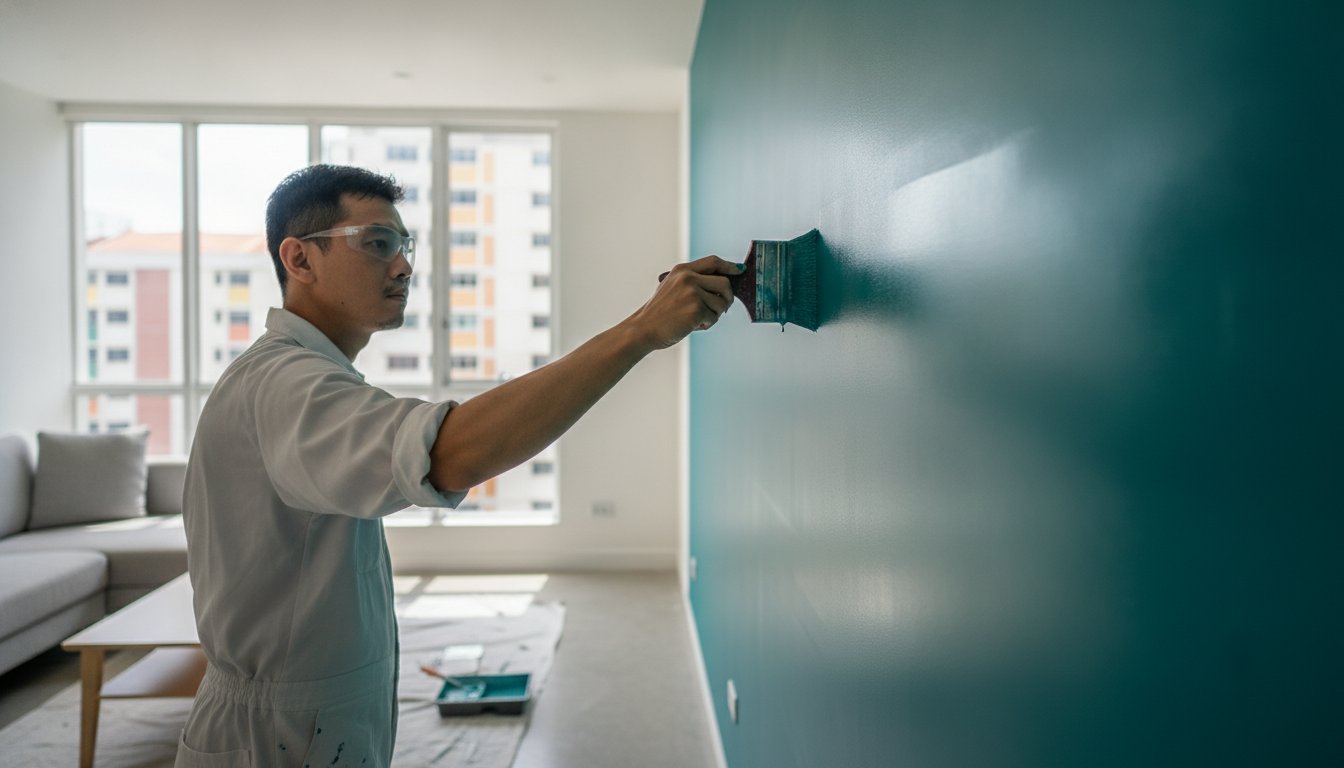

A painting job usually looks simple right up until furniture needs moving, hairline cracks appear under old paint, and the “quick refresh” starts affecting your weekly routine. That is exactly why a solid residential painting planning guide matters. Good planning helps you avoid delays, control costs, choose the right finish for each room, and get a cleaner, longer-lasting result with less stress.
For homeowners, tenants preparing a handover, and landlords getting a unit ready for the next occupant, the biggest mistake is treating painting as only a color decision. Paint color matters, but planning goes much further. The condition of the walls, the type of property, the timing of the work, and the level of preparation all affect the final finish.
What a residential painting planning guide should cover
A useful residential painting planning guide starts with scope. Before comparing paint brands or collecting inspiration photos, decide what is actually being painted. Some projects involve the full home, while others focus on bedrooms, living areas, ceilings, doors, trim, or exterior sections. Being specific early makes quotations more accurate and helps prevent last-minute additions that stretch the budget.
You should also be clear about the goal. A move-in repaint is different from a resale touch-up. A family home with children may need washable finishes and low-odor products. A rental property may need a practical, durable refresh that looks clean without pushing costs too high. The right plan depends on how the space is used and how long you expect the finish to last.
Start with the real condition of the surfaces
Fresh paint cannot hide every surface problem. If walls have peeling paint, water stains, dents, bubbling, or uneven patches, those issues need attention before any topcoat goes on. This is where many homeowners underestimate the job. They assume two coats of paint will fix everything, but poor substrate condition often leads to visible defects even after repainting.
Walk through each room in daylight and note the problem areas. Look closely at corners, around windows, near air-conditioning units, and on ceilings. Moisture damage, cracks, and old patch repairs tend to show up there first. If exterior or structural areas are involved, concrete defects or spalling may require repair work before painting begins.
This part affects cost, timing, and finish quality more than most people expect. The smoother the surface preparation, the better the final result. If you want walls that look neat instead of merely repainted, prep work is not optional.
Budget for more than paint
When people set a painting budget, they often think only about the paint itself. In reality, labor, surface repair, masking, furniture protection, cleanup, and paint type all play a role. Premium paint can cost more upfront but often gives better coverage, lower odor, and better washability. That can be worth it, especially in high-use rooms like living areas, hallways, and children’s bedrooms.
At the same time, not every area needs the most expensive system available. Storage rooms, utility spaces, and temporary rental touch-ups may call for a more practical approach. The right balance depends on your priorities: appearance, durability, speed, or budget control.
A good quotation should break down what is included. Ask whether wall repairs, primer, ceiling painting, door and trim painting, furniture moving, and post-job cleaning are part of the scope. A lower price is not always the better value if key preparation items are missing.
Choose timing carefully
Painting affects daily life more than many people realize. Rooms may be out of use, furniture may need to be grouped or moved, and drying time matters. That is why scheduling deserves real attention.
If you are painting before moving in, the ideal window is after dusty renovation works but before furniture is fully installed. If you are repainting an occupied home, consider doing it in phases. Bedrooms can be completed first, then common areas, then smaller spaces like study rooms or service areas. This reduces disruption and makes the project easier to live through.
For rental turnovers or urgent property preparation, faster service may be necessary. In those cases, speed matters, but so does organization. Quick turnaround works best when scope is confirmed early, paint selections are finalized in advance, and access is straightforward.
Pick colors with the room in mind
Color selection is where many people spend the most time, and for good reason. The right palette changes how clean, spacious, and welcoming a room feels. Still, color should be chosen in context, not in isolation.
Natural light, flooring tone, furniture, and room size all affect how paint reads on the wall. A warm off-white may look soft and elegant in one unit and slightly yellow in another. Cool grays can look sharp in bright spaces but flat in low-light rooms. That is why test patches or professional color guidance can save expensive second guesses.
For resale, rental, or broad appeal, neutral shades are usually the safer choice. For long-term family homes, you may have more freedom to bring in accent walls or softer tones that reflect personal taste. There is no single correct answer, but there is a practical one based on how the property will be used.
Not every finish works everywhere
Flat finishes can help hide minor wall imperfections, but they are less forgiving when it comes to cleaning. Higher-sheen options are often easier to wipe down, though they may highlight uneven patches if the wall prep is poor. Ceilings, bathrooms, kitchens, and children’s rooms each have different demands.
This is where expert advice makes a difference. A beautiful color in the wrong finish can become a maintenance problem. If odor sensitivity, ventilation, or indoor air quality is a concern, low-VOC or eco-friendlier paint systems may also be worth discussing.
Plan for protection and prep, not just painting
A professional result depends on what happens before the first coat. Floors need covering, furniture needs protection, switch plates may need removal, and edges need clean masking. If wallpaper is being removed, wall surfaces may need additional repair before painting starts. If wood features, grills, or doors are included, they may require a different preparation method and coating system from standard interior walls.
This is one reason managed painting services are often the better option for busy households. The project moves more efficiently when one team handles inspection, prep, painting, and cleanup as a single process rather than treating each stage as an afterthought.
Working with a contractor without guesswork
The easiest painting projects are the ones where expectations are clear from the start. Ask practical questions. How many coats are included? Will patching be done before painting? What paint brand and product line will be used? How long will the work take? What areas need to be cleared by the homeowner? How will the home be protected during the job?
You should also look for a contractor who can explain trade-offs honestly. For example, if a wall has many old defects, a standard repaint may improve it, but not make it look perfectly new without additional plastering or skim work. That kind of clarity helps you make informed decisions instead of being surprised by the finish later.
Dependable contractors do more than apply paint. They help organize the project, flag potential issues early, and recommend practical solutions based on your timeline and budget. For many property owners, that peace of mind is as valuable as the painting itself.
A simple planning sequence that works
If you want the process to stay manageable, think in this order: define scope, inspect surfaces, set budget, choose timing, confirm colors and finishes, then get a detailed quotation. That sequence keeps decisions grounded in the actual condition of the property instead of guesswork.
It also helps avoid a common problem – choosing colors and booking dates before understanding repair needs. Once prep requirements are clear, everything else becomes easier to estimate and schedule.
For homeowners who want a smooth, low-disruption experience, working with a team that handles everything from consultation to cleanup can make the difference between a stressful repaint and a well-managed upgrade. Companies like My Paint Job are built around that kind of end-to-end support, which is often what busy households need most.
A well-painted home does more than look fresh. It feels cared for, easier to maintain, and more comfortable to live in. If you plan the job properly before the first can is opened, the finish has a much better chance of matching what you pictured on day one.