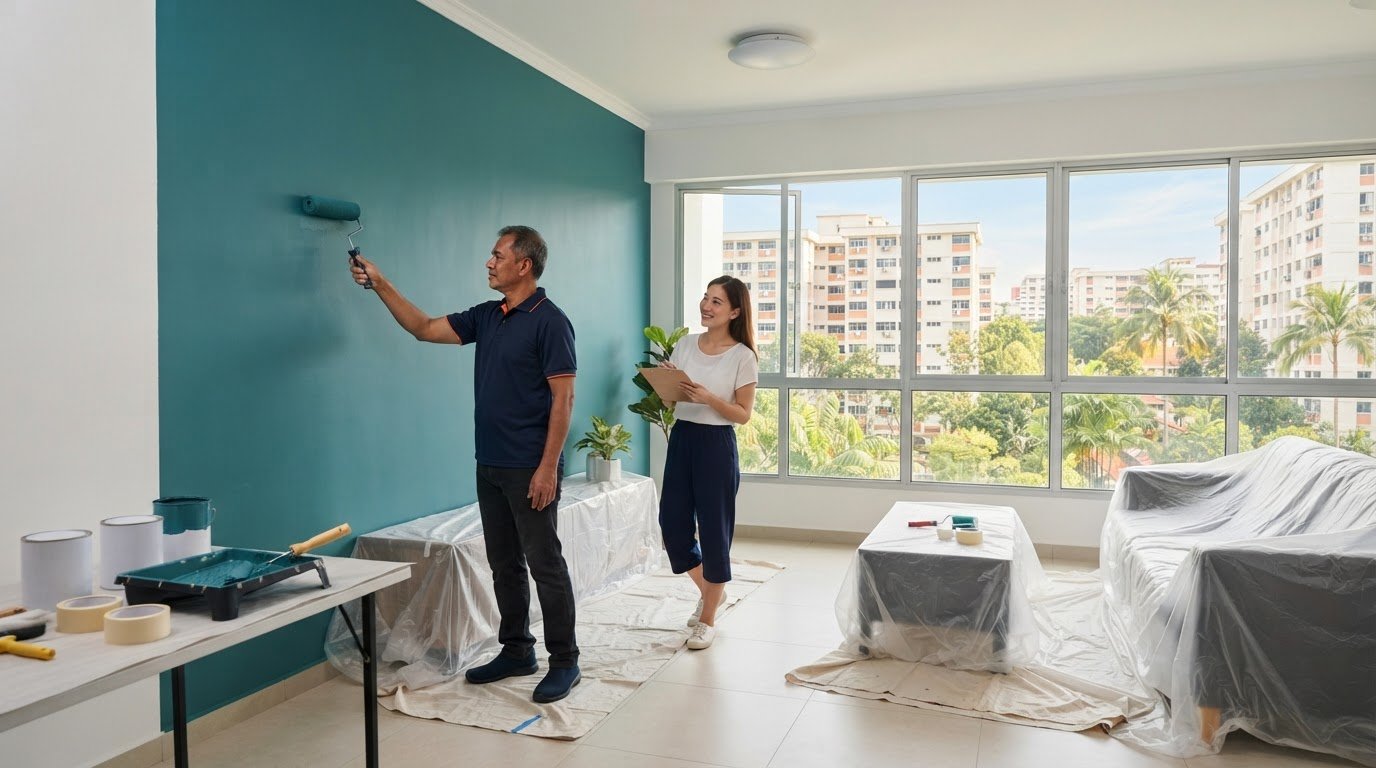

A fresh coat of paint can make a room feel cleaner, brighter, and more finished in a single day. But house painting is not just about changing a color on the wall. The quality of the prep work, the condition of the surface, the paint selected, and the way the job is managed all affect how good the result looks and how long it lasts.
For homeowners, tenants, landlords, and property managers, that difference matters. A rushed job may look acceptable for a few weeks, then show roller marks, patchy coverage, peeling near damp spots, or edges that never quite look clean. A professionally managed job does more than improve appearance. It protects surfaces, reduces future maintenance, and saves you from dealing with touch-ups too soon.
What good house painting really includes
Many people think painting starts when the first wall is coated. In reality, the finish is decided much earlier. Before any paint is opened, the space needs to be inspected properly. Cracks, nail holes, stains, peeling areas, moisture issues, or rough plaster can all affect the final result.
This is why good house painting begins with preparation. Furniture should be moved or covered carefully. Floors and fixtures need protection. Surface defects should be patched and sanded. If old wallpaper is present, it may need to be removed fully rather than painted over. If there is spalling concrete, flaking paint, or uneven plaster, those issues should be addressed first instead of hidden temporarily.
When preparation is done well, the paint sits evenly, adheres better, and dries to a cleaner finish. That is what creates the polished look most customers expect.
Choosing the right paint for the space
Not every wall needs the same type of paint. A bedroom and a kitchen do not face the same conditions, and an office corridor is used very differently from a living room. One of the most common mistakes in house painting is choosing based only on shade cards without thinking about wear, moisture, cleaning, or indoor air quality.
For interior spaces, low-odor and low-VOC paints are often the better choice, especially in occupied homes, homes with children, or workplaces that need faster re-entry. In higher-traffic areas, washable finishes can make more sense because scuffs and marks are more likely. For ceilings, a flatter finish may help hide minor imperfections. For trim, doors, grills, or gates, a different product system is usually needed to handle friction and exposure.
Exterior surfaces are even more dependent on correct product selection. Sun exposure, humidity, rain, and surface age all affect performance. A cheaper paint may lower the first quote, but it can cost more if fading, chalking, or early failure means repainting sooner.
This is where expert guidance helps. The best result is not always the most expensive paint, and it is not always the trendiest color. It is the right paint system for the way the property is used.
Why surface repair matters before house painting
Paint can improve a wall, but it cannot fix a damaged one. If there are hairline cracks, bubbling, loose skim coat, or water-stained areas, painting over them usually delays the problem rather than solving it. The wall may look refreshed at first, then imperfections reappear quickly.
Surface repair should be treated as part of the job, not an extra detail. Minor plaster correction can make a major visual difference, especially on broad walls under direct lighting. Spalling concrete repair is even more important because damaged concrete can continue to deteriorate if left untreated. Wallpaper removal also needs care, since leftover adhesive or torn backing can affect paint adhesion and texture.
A dependable contractor will tell you when painting alone is enough and when repair work should come first. That honesty helps customers make better decisions and avoid paying twice.
Residential and commercial painting are not the same
The basic materials may overlap, but the way the work is handled should be different. In homes, the priority is usually comfort, cleanliness, and minimal disruption. Families want rooms protected properly, odors controlled, and the work completed without turning daily life upside down.
In commercial spaces, timing often matters just as much as finish quality. Offices, retail units, and other business environments may need evening work, phased scheduling, or express turnaround to reduce downtime. A neat paint job loses value if it disrupts operations for longer than necessary.
That is why planning matters. A well-run painting project should match the needs of the property, not force the customer into a one-size-fits-all process. Some projects need extra surface prep. Some need fast execution. Some need careful sequencing around staff, tenants, or customers. The right contractor adapts accordingly.
What to expect from a professional painting process
Reliable painting work feels organized from the start. The first step should be a clear site assessment and quotation based on actual conditions, not guesswork. That includes understanding the scope, the surfaces involved, the repairs needed, the paint system recommended, and the expected timeline.
Once the work begins, site protection should be obvious. Floors, furniture, fittings, and adjacent surfaces should be covered properly. Prep work should be completed before painting starts, not handled halfway through as an afterthought. Edges should be cut neatly, coats should be applied evenly, and drying time should be respected.
Cleanup also matters more than many people expect. A professional result is not just neat walls. It is a space returned in good condition, with paint debris removed, coverings cleared, and the property ready to use. That full-service approach is one of the main reasons customers hire professionals instead of trying to coordinate multiple steps themselves.
How to judge value, not just price
When comparing quotes for house painting, it is tempting to focus on the lowest number. But lower pricing can mean very different things. It may reflect less prep, fewer coats, lower-grade paint, limited protection for furniture, or rushed labor. Those details often explain why one quote is much cheaper than another.
A better way to compare is to ask what is included. Are minor wall repairs covered? Is surface sanding part of the job? Which paint brand and product line will be used? How many coats are planned? Is cleanup included? Will the contractor move and protect furniture? Is there a workmanship guarantee?
Affordable service should still feel complete. The best value comes from a job that looks right, lasts well, and does not create extra hassle during or after completion. For many customers, peace of mind is part of the value too.
When it makes sense to repaint
Some people wait until walls look obviously worn before acting, but there are earlier signs that repainting is worth considering. Fading, stains that no longer clean off, peeling edges, recurring hairline cracks, and dull surfaces can all make a space feel older than it is. In rental properties, presentation also affects tenant impressions and perceived maintenance standards.
Repainting is often most effective before damage becomes extensive. A timely refresh can be simpler and more cost-effective than waiting until repairs become more involved. It also gives property owners more flexibility in scheduling, especially if they want work completed between tenants, before a move-in date, or during a quieter business period.
House painting should feel easy for the customer
The technical side of painting matters, but from the customer perspective, convenience matters too. People want clear communication, punctual work, a clean process, and confidence that the team will handle details properly. They do not want to chase updates, argue about patchy areas, or spend hours moving things back into place.
That is why managed service makes such a difference. From color selection and material planning to furniture protection, surface repair, painting, and final cleanup, every step should be handled with care. At My Paint Job, that customer-first approach is what turns a paint service into a smooth property improvement experience.
If you are planning house painting for a home, rental unit, office, or retail space, the best results usually come from acting before small issues become bigger ones. A well-painted space does more than look refreshed. It feels properly cared for, and that changes how people live, work, and walk into it every day.