

A faded office shows up faster than most managers expect. Scuffed walls near meeting rooms, uneven touch-up patches, and stained ceilings quietly shape how staff, clients, and visitors read the space. A professional office repainting service is not just about fresh color. It is about keeping your workplace presentable, protecting surfaces, and getting the job done without turning normal operations into a mess.
For offices, repainting has to balance appearance with practicality. The finish needs to look sharp, but the process also needs to respect work hours, furniture layouts, shared equipment, and business continuity. That is where a managed service matters. When the work is planned properly, you get a cleaner result, fewer disruptions, and less time spent coordinating vendors, cleaners, and repairs separately.
What a good office repainting service should actually solve
Most businesses are not struggling to find paint. They are trying to avoid disruption, uncertainty, and costly rework. A good office repainting service solves those problems first.
It starts with assessment. Office walls do not wear evenly. High-traffic corridors, pantry areas, reception walls, and workstations all age differently. Some need simple repainting. Others need patching, stain blocking, crack repair, or better surface preparation before any new coat goes on. If a contractor skips that stage, the new paint can look fresh for a few weeks and then quickly reveal old flaws underneath.
The second issue is timing. Offices rarely have the luxury of shutting down for days just to repaint. That means the work may need to happen in phases, after hours, over weekends, or during planned low-traffic periods. Fast completion is valuable, but speed without process control often leads to splatter, odor problems, missed spots, or poor curing. The right approach is efficient, not rushed.
The third issue is presentation. Office paint is not purely decorative. It affects how bright a space feels, how clean it appears, and how professional the environment looks during client visits or hiring interviews. In some workplaces, neutral tones support focus. In others, strategic use of brand colors helps reinforce identity. There is no single right palette. It depends on the kind of work happening in the space and the impression the business wants to make.
When it is time to book office repainting service
Some offices wait until the walls look obviously worn. Others repaint too early and spend more than necessary. The better decision usually comes from looking at function as much as appearance.
If staff regularly notice scratches, bubbling paint, water marks, peeling sections, or inconsistent touch-ups, repainting is likely overdue. The same applies if your office has recently gone through layout changes, new partitions, electrical work, or repairs that left visible patches. Even when the damage seems minor, piecemeal touch-ups often make the space look less consistent rather than more polished.
There is also a business case for repainting before a major milestone. Companies often schedule an office repainting service ahead of lease renewals, office handovers, rebranding, management visits, or client-facing events. In those cases, repainting is less about fixing a problem and more about controlling perception. A clean, well-finished space signals that the business is organized and attentive to detail.
How office repainting works with minimal disruption
Low-disruption painting is not a slogan. It comes from preparation, sequencing, and communication.
A well-run project begins with a site inspection. This is where wall condition, ceiling height, room usage, ventilation, and access constraints are reviewed. The contractor should identify what needs protection, what furniture can stay in place, and which areas should be completed first. In an active office, these decisions matter as much as the paint itself.
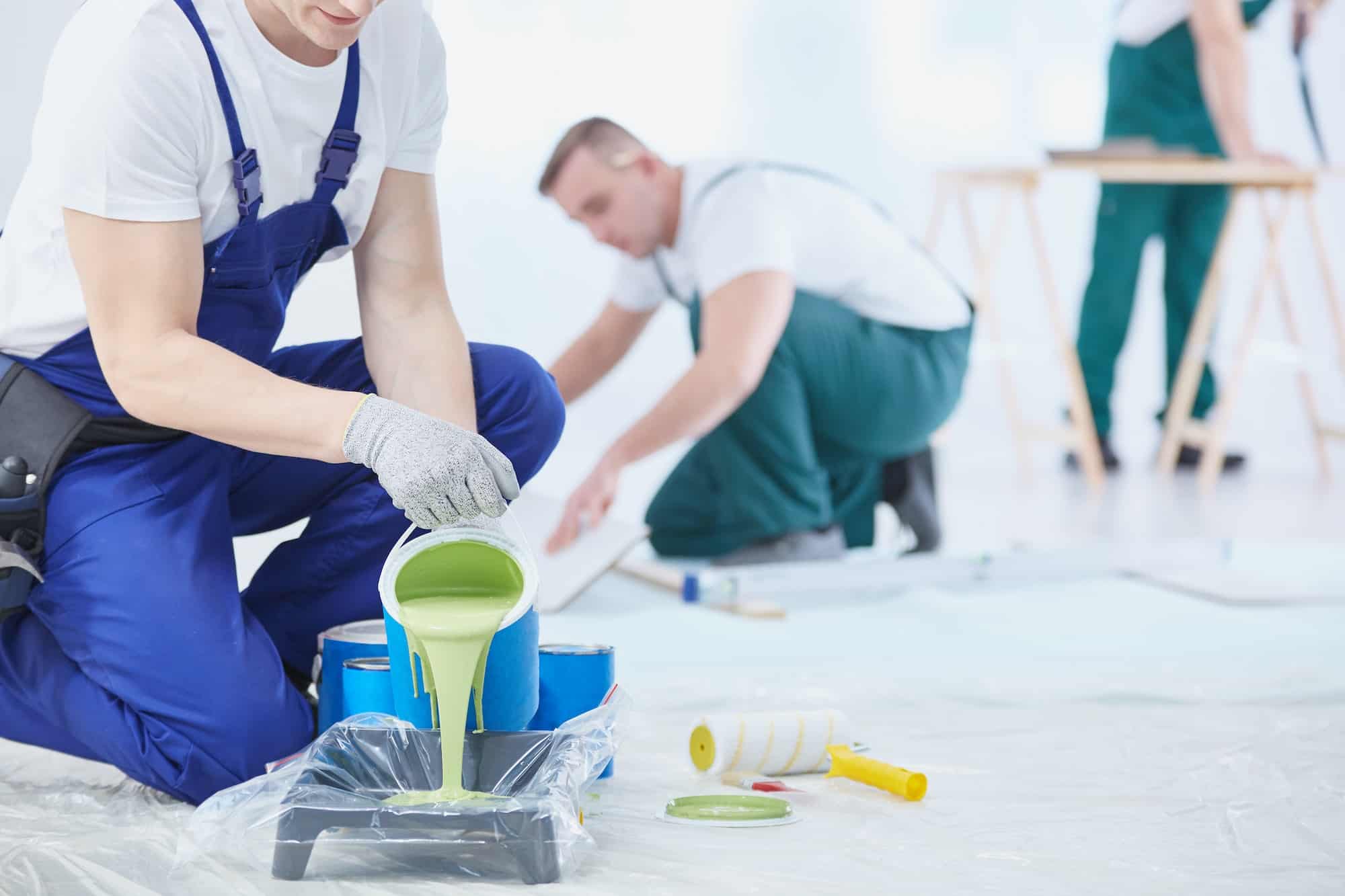
Next comes surface preparation. This can include covering floors, protecting desks and equipment, moving furniture, removing loose paint, patching cracks, smoothing damaged areas, and making sure the surface is ready to receive paint evenly. Preparation is the quiet difference between a finish that looks professional and one that looks merely new.
Then comes scheduling. Some offices prefer a full, fast turnaround over a weekend. Others need phased work by zone so operations can continue. There is no universal best option. A compact office with flexible staff arrangements may benefit from a short intensive schedule. A larger office with fixed departments may need room-by-room sequencing. What matters is choosing the approach that protects productivity.
Finally, cleanup is part of the service, not an extra favor. Once painting is complete, the area should be left orderly, usable, and ready for normal business activity. That includes proper disposal, surface wiping where needed, and returning the office to a clean state.
Choosing the right paints and finishes for office spaces
Not every paint is suitable for office use. Commercial environments need finishes that look good under strong lighting, resist everyday wear, and remain practical to maintain.
For most office interiors, low-odor and low-VOC options are worth considering, especially where teams return to the space quickly. They help reduce discomfort and support a more comfortable post-painting environment. In client-facing areas such as reception zones and meeting rooms, smooth and even coverage matters because flaws are more visible under direct light.
Finish selection also matters. Flat finishes can hide minor wall imperfections, but they are generally harder to clean. Higher-sheen finishes are easier to wipe down, which can be useful in corridors, pantries, and shared areas, though they may reveal surface defects more clearly. The best choice depends on how the space is used and how often the walls need cleaning.
Color should be chosen with purpose. Bright white can feel crisp, but in some offices it creates glare or makes the room feel too clinical. Warmer neutrals often create a more balanced professional look. Accent walls can work well in moderation, especially in waiting areas or brand-sensitive spaces, but too much contrast can age quickly. This is one area where practical color guidance saves time and second-guessing later.
Why preparation and repair matter before repainting
Businesses sometimes think repainting is only about applying fresh coats. In reality, the visible result depends heavily on what happens before painting starts.
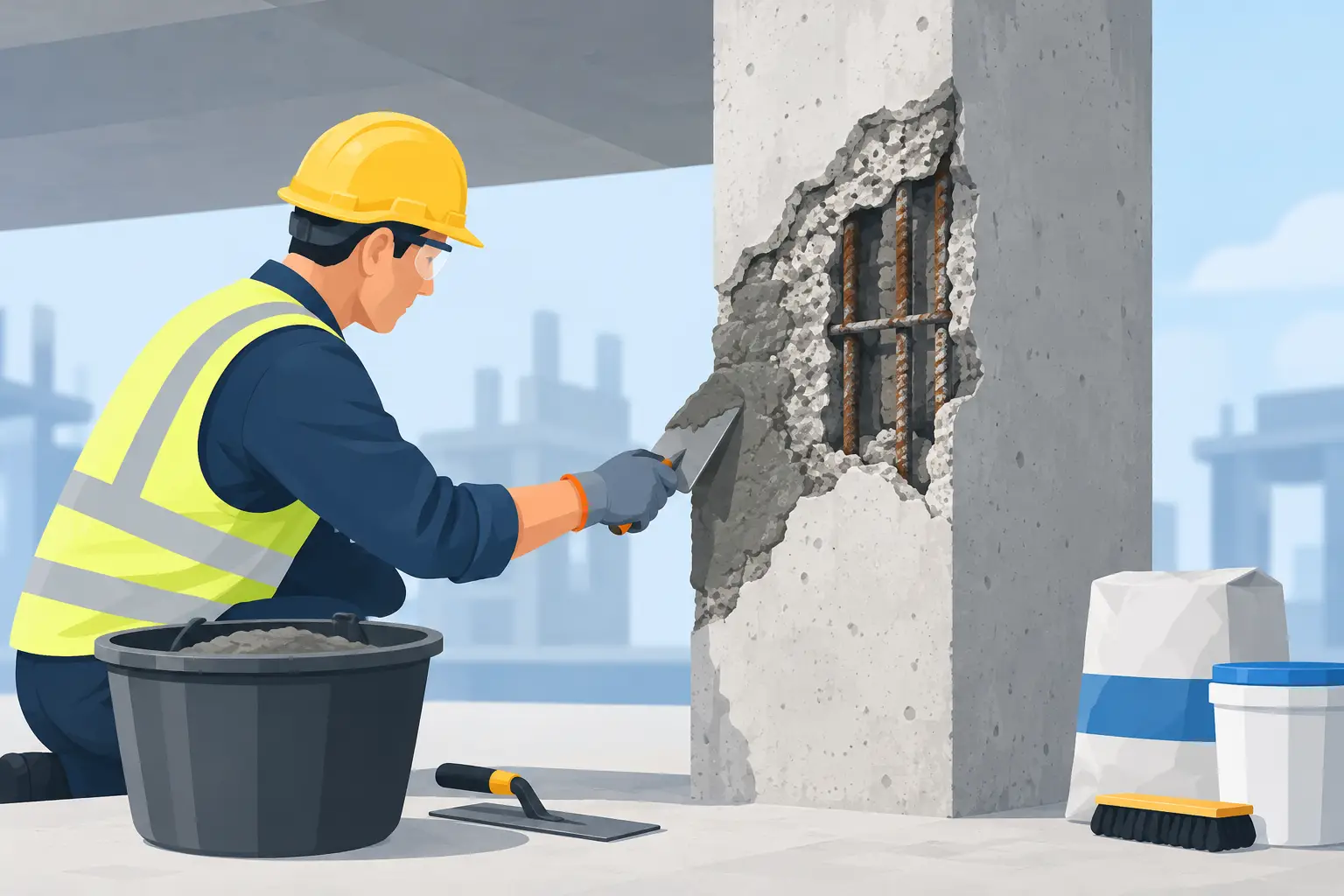
Walls with dents, hairline cracks, moisture marks, or old adhesive residue need attention first. If these issues are painted over without proper treatment, they often reappear through the new finish. Ceiling stains may need stain-blocking products. Small wall damage may require plastering or smoothing. If there is spalling concrete or more serious deterioration, surface repair should happen before decorative work begins.
This is where an experienced contractor adds real value. Instead of treating repainting as a standalone task, the job is handled as part of the overall condition of the office. That means fewer surprises, better durability, and a more even finish across the full space.
What to look for in an office repainting service provider
Price matters, but it should not be the only filter. The lowest quote can become expensive if the work drags on, requires repeat visits, or leaves your team managing the aftermath.
Look for a contractor that offers clear scope, proper site assessment, surface preparation, furniture protection, and realistic scheduling. Ask how they handle active workplaces, what paint systems they recommend, and whether they can tailor the project around your operating hours. A dependable provider should be able to explain the process simply and confidently.
It also helps to work with a team that can manage related improvements at the same time. Minor wall repairs, plastering, wallpaper removal, or touch-ups to metal and wood surfaces can often be addressed within the same project plan. That reduces coordination headaches and gives the space a more complete refresh.
For businesses that want practical reliability, this is where a company like My Paint Job stands out. The focus is not just on applying paint, but on managing the project from inspection to preparation to cleanup with quality workmanship and minimal hassle.
The value of repainting before the office looks bad
Many companies book repainting only when wear becomes impossible to ignore. By that point, more repairs may be needed, and the space has already spent months making a weaker impression than it should.
Repainting at the right time helps preserve the condition of walls, maintain a cleaner overall appearance, and avoid the patchwork look that often comes from repeated small fixes. It can also lift employee perception of the workplace. A fresh, well-kept environment signals care, standards, and attention to detail. That may sound subtle, but people notice spaces more than they say.
If your office walls are starting to look tired, the smartest move is not to wait for them to become a larger problem. A well-planned office repainting service gives you a cleaner workspace, a more polished business image, and one less operational headache to manage. Done properly, it feels less like a renovation and more like your office finally looks the way it should.

Pingback: When an Express House Painting Service Makes Sense - My Paint Job Singapore
Pingback: Wall Plaster Repair Contractor: What to Look For - My Paint Job Singapore
Pingback: Interior Painting Cost Guide for Every Space - My Paint Job Singapore
Pingback: 8 Top Low VOC Paint Brands to Know - My Paint Job Singapore