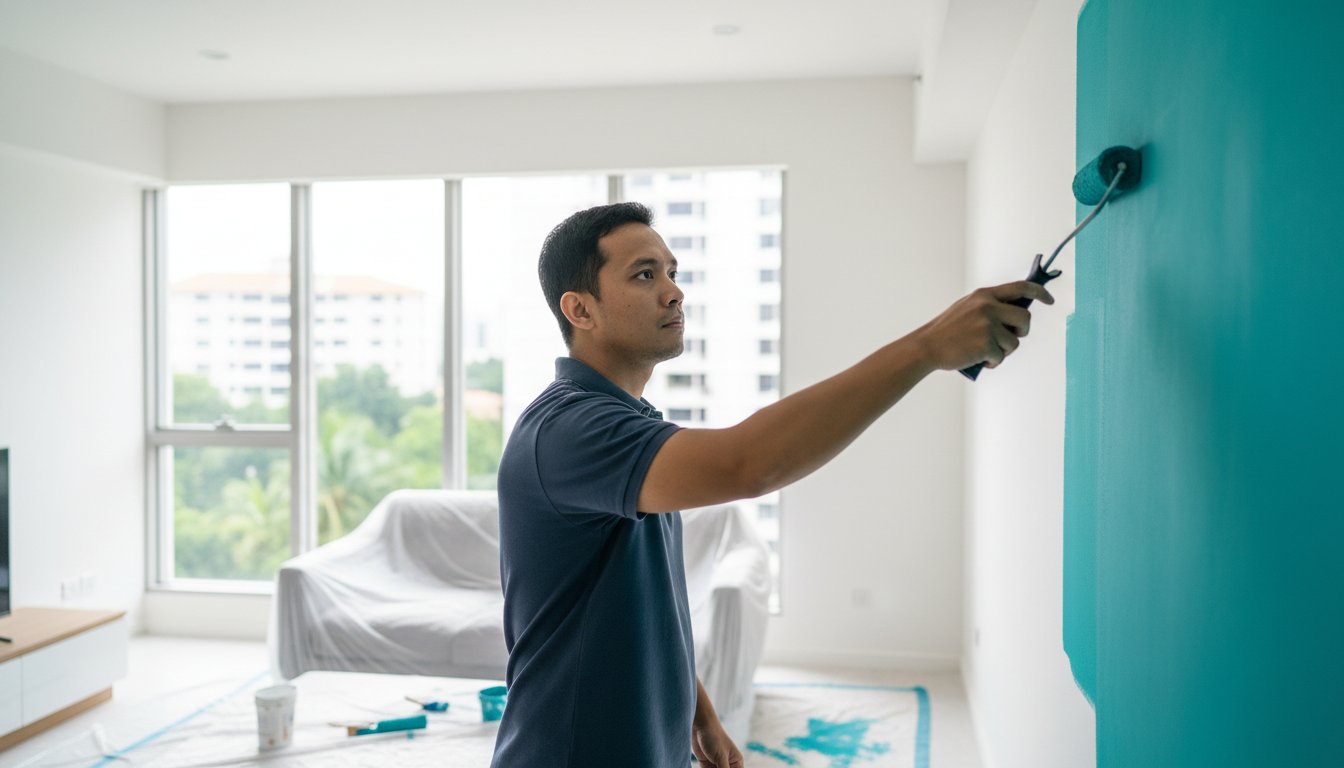
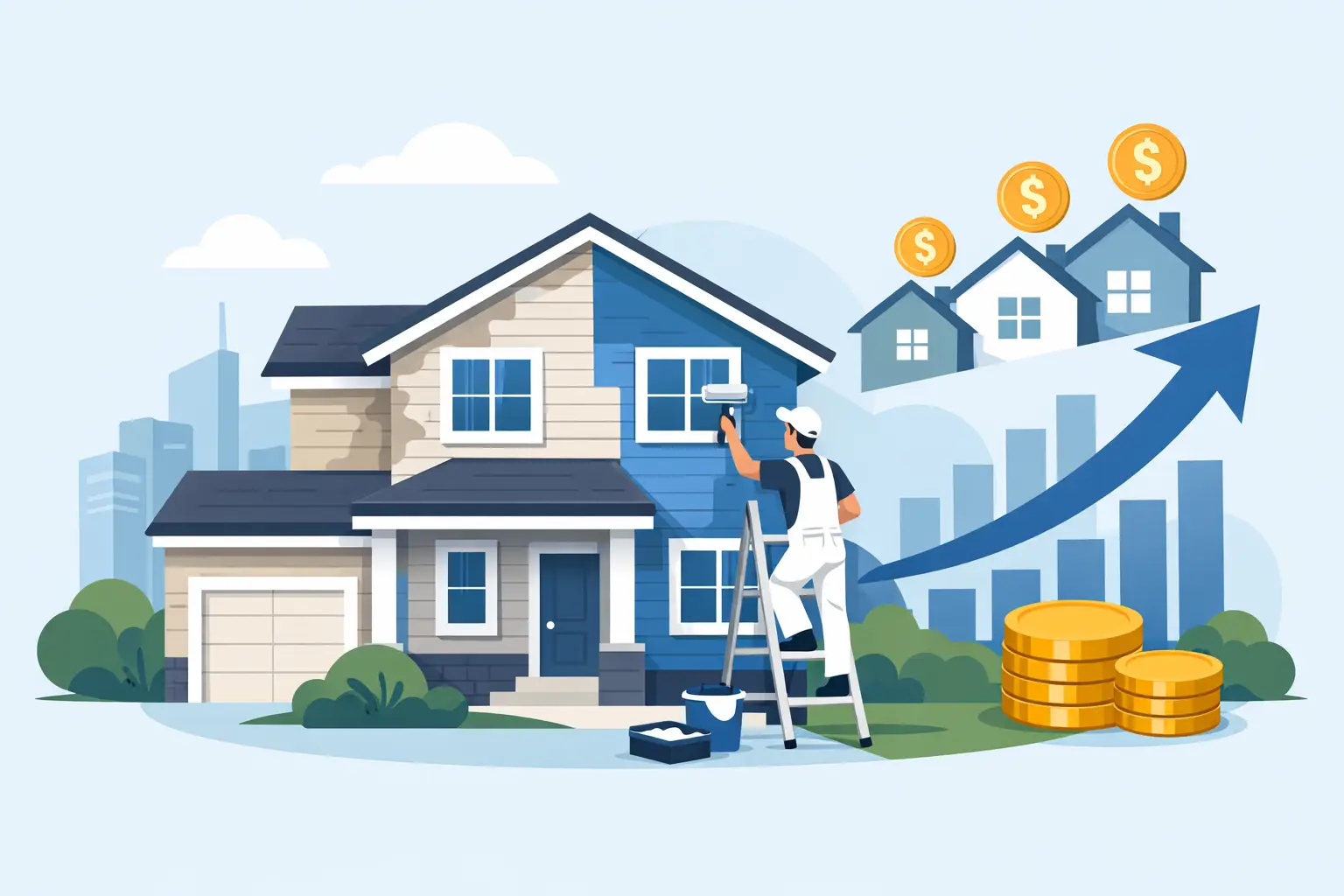
A buyer walks into a home and notices the walls before almost anything else. Scuffs, fading, stains, and uneven patchwork can make a property feel older than it is. That is why so many owners ask, does fresh paint increase property value? In many cases, yes – but not simply because the walls look newer. Fresh paint can change how clean, well-maintained, and move-in ready a property feels, and that affects what buyers and tenants are willing to pay.
Paint is one of the few upgrades that can shift first impressions quickly without major renovation work. For homeowners preparing to sell, landlords between tenants, and commercial owners trying to present a more polished space, repainting can be a practical way to improve perceived value. The key is knowing where it helps, how much it helps, and when the return is weaker than people expect.
Does fresh paint increase property value in real terms?
Fresh paint can increase property value, but usually in an indirect way. It rarely adds value the way adding a bedroom or upgrading a kitchen might. Instead, it helps protect the value you already have and improves market appeal. That difference matters.
When buyers view a property, they are not only judging paint. They are judging maintenance standards. A clean, professionally painted home suggests the owner has cared for the property. Chipped corners, peeling ceilings, and yellowing walls suggest future work, hidden wear, and extra cost. Even if the structure is sound, poor presentation often leads to lower offers because buyers build in a discount for inconvenience and uncertainty.
For rental properties, the effect is often even more immediate. A freshly painted unit photographs better, shows better, and feels easier to move into. That can reduce vacancy periods and support stronger rent positioning, especially in competitive areas where tenants compare several similar units.
Why paint has such a strong effect on perception
Paint covers a surprising amount of visual noise. It softens the impact of hairline patch marks, old nail holes, smoke discoloration, and years of everyday wear. More importantly, it gives a property a reset.
That reset creates a psychological advantage. Buyers and tenants tend to respond well to spaces that feel clean and complete. If they walk in and see that they do not need to repaint immediately, the property feels less demanding. It is easier for them to focus on the layout, light, and potential of the space rather than the work waiting for them after handover.
In commercial settings, the same principle applies. Offices, retail units, and customer-facing properties benefit from fresh paint because presentation influences trust. A business space with worn walls can make the entire operation feel dated. A clean finish supports a more professional image, which can matter when attracting tenants, clients, or buyers.
Where fresh paint tends to pay off most
Not every painted surface carries the same weight. Interior walls in living rooms, bedrooms, hallways, and entry areas usually deliver the strongest visual return because they dominate first impressions. Ceilings matter too, especially when there are stains, cracks, or uneven previous work.
Bathrooms and kitchens can also benefit, though paint alone will not disguise major age or damage. In these spaces, repainting works best as part of good surface preparation, patching, and moisture-related touch-ups. If there is peeling caused by humidity or poor ventilation, simply applying another coat is not enough.
Exterior paint can have a major effect when curb appeal is weak. A faded facade, weathered gate, flaking trim, or stained boundary wall can drag down the appearance of the entire property before anyone steps inside. On the other hand, if the exterior already looks presentable, repainting for resale may bring a more modest return.
When the answer is yes – and when it is only partly yes
If you are asking does fresh paint increase property value before a sale, the honest answer is that it depends on the starting condition. If the current paint is visibly worn, outdated, or damaged, repainting can make a clear difference to buyer response and offer quality. If the property is already in good decorative condition, the increase may be small.
This is why paint is often best viewed as a value-preserving upgrade rather than a miracle upgrade. It helps remove objections. It can reduce negotiation pressure. It can shorten time on market. Those results are valuable, even if they do not show up as a dramatic jump in appraised value.
For landlords, the numbers are often easier to justify. A professionally repainted unit may attract tenants faster and reduce haggling over condition. For commercial owners, a refreshed space can support occupancy and brand presentation. For homeowners staying put, the return is not immediate resale value but better protection and a more pleasant environment.
The biggest mistake: choosing paint colors for yourself, not the market
One of the fastest ways to weaken the return on repainting is to choose very personal colors right before listing or leasing a property. Bold accent walls, deep reds, bright greens, and unusual combinations may suit one owner but narrow the appeal for everyone else.
Neutral shades tend to perform better because they make rooms feel brighter, cleaner, and easier to imagine living in. Soft whites, warm grays, light beige tones, and balanced off-whites usually work well across a broad range of interiors. The goal is not to make a property look bland. The goal is to make it widely appealing.
A good painting contractor can help with color selection based on lighting, room size, existing finishes, and the kind of buyer or tenant you want to attract. That guidance is often more valuable than people realize, especially when the property needs to look current without feeling cold.
Quality of workmanship matters more than many owners expect
Fresh paint only adds value when it looks fresh for the right reasons. Drips, roller marks, uneven coverage, missed edges, poor patching, and paint over dirty surfaces can make a property look worse, not better. Buyers notice rushed work. So do tenants.
Preparation is where the result is won or lost. Filling cracks, treating damaged areas, sanding rough sections, protecting floors and furniture, and using the correct products for each surface all affect the finish. The same goes for problem areas such as spalling concrete, damp patches, and peeling previous coats. These issues need to be addressed properly before repainting, not hidden temporarily.
That is why professional painting often delivers a better return than a rushed DIY job. A managed service that handles inspection, prep work, clean application, and cleanup gives the property a finished look rather than a cosmetic cover-up. For owners trying to improve value, presentation and durability go hand in hand.
Does fresh paint increase property value for every type of property?
The effect varies by property type and audience. In smaller homes and apartments, fresh paint often has an outsized impact because visible wall area makes up a large part of the experience. In larger homes, it still matters, but buyers may weigh bigger-ticket features more heavily.
For rental units, repainting between occupants is often one of the most practical ways to maintain standards. For offices and retail spaces, paint supports professionalism, cleanliness, and brand image. In high-turnover commercial environments, quick, low-disruption painting can improve appeal without a lengthy shutdown.
Age matters too. In older properties, fresh paint can help modernize tired interiors, but it works best when paired with sensible repairs. In newer properties, repainting is usually about restoring freshness rather than changing the entire impression.
How to decide if repainting is worth it before selling or leasing
Start with an honest walk-through. If the walls show stains, scuffs, fading, hairline cracks, old touch-up marks, or colors that feel dated, repainting is likely worth considering. If the finishes still look clean and current, your budget may be better spent on repairs, lighting, or deeper cleaning.
Think about timing as well. If you need a faster sale or want to reduce vacancy, paint can be one of the quickest improvements with visible impact. It is also one of the easier upgrades to manage when handled by a contractor who takes care of furniture protection, surface preparation, and cleanup.
For owners who want a practical, low-hassle approach, My Paint Job often fits best at this stage – when the goal is not just repainting, but presenting the property well with minimal disruption and a finish that holds up under inspection.
The real value of fresh paint
Fresh paint does not guarantee a fixed dollar increase, and it cannot solve every issue in a property. What it can do is make the space feel cared for, current, and ready for the next person. That shift is often enough to strengthen interest, reduce hesitation, and support better outcomes in sales and leasing.
If you are deciding whether to repaint, think beyond the paint itself. Think about the message the property sends the moment someone walks in. A clean, professionally finished space tells people they can move forward with confidence, and that kind of reassurance is often worth more than owners expect.