
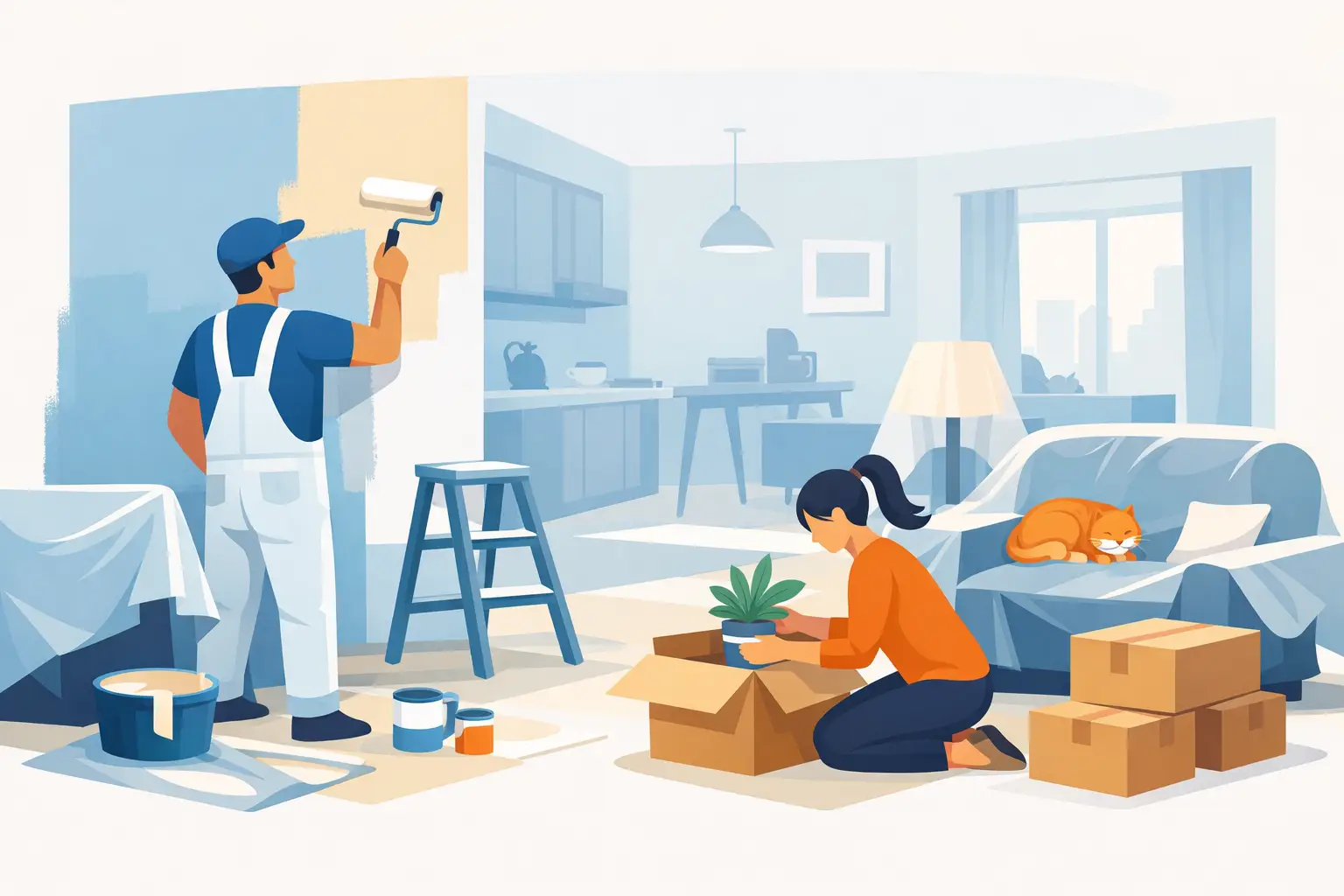
Living around a paint project is where good planning matters most. If you are figuring out how to repaint occupied apartment spaces without turning daily life upside down, the real challenge is not just choosing a color. It is managing dust, odor, furniture, access, and timing so the apartment stays livable while the finish still looks clean and professional.
This is why occupied repainting needs a different approach from an empty-unit job. In a vacant apartment, painters can move fast from wall to wall with full access. In a lived-in home, every step has to protect belongings, respect routines, and keep disruption under control. That is especially true for families, tenants nearing lease handover, landlords preparing between partial occupancy, and anyone working from home.
How to repaint occupied apartment units without chaos
The first step is deciding whether the whole apartment truly needs painting at once. Sometimes a full repaint is the right call, especially if the walls have uneven fading, patch marks, stains, or old colors that no longer match. But in some occupied homes, a phased plan is more practical. Bedrooms first, then living areas, then trim and doors can make the process easier to live with.
A room-by-room schedule works best when people need to remain in the unit during the project. It allows one area to be cleared, protected, repaired, painted, and dried before the next space begins. This limits disruption and reduces the risk of dust or accidental paint transfer onto everyday items.
Timing matters too. If the apartment has children, elderly residents, pets, or anyone sensitive to paint smell, it helps to schedule work during hours when the home is naturally less busy. Some projects also benefit from express painting methods, but speed should never come at the expense of surface prep or cleanup. Fast work is useful only when it is still careful work.
Start with a realistic site assessment
Before any paint is opened, inspect the apartment as it actually functions day to day. Look at where people sleep, eat, work, and store essentials. Check whether large furniture can be shifted within the room or if it needs temporary relocation. Notice existing wall issues too, because repainting over cracks, peeling areas, nail damage, or damp-stained patches will not produce a durable finish.
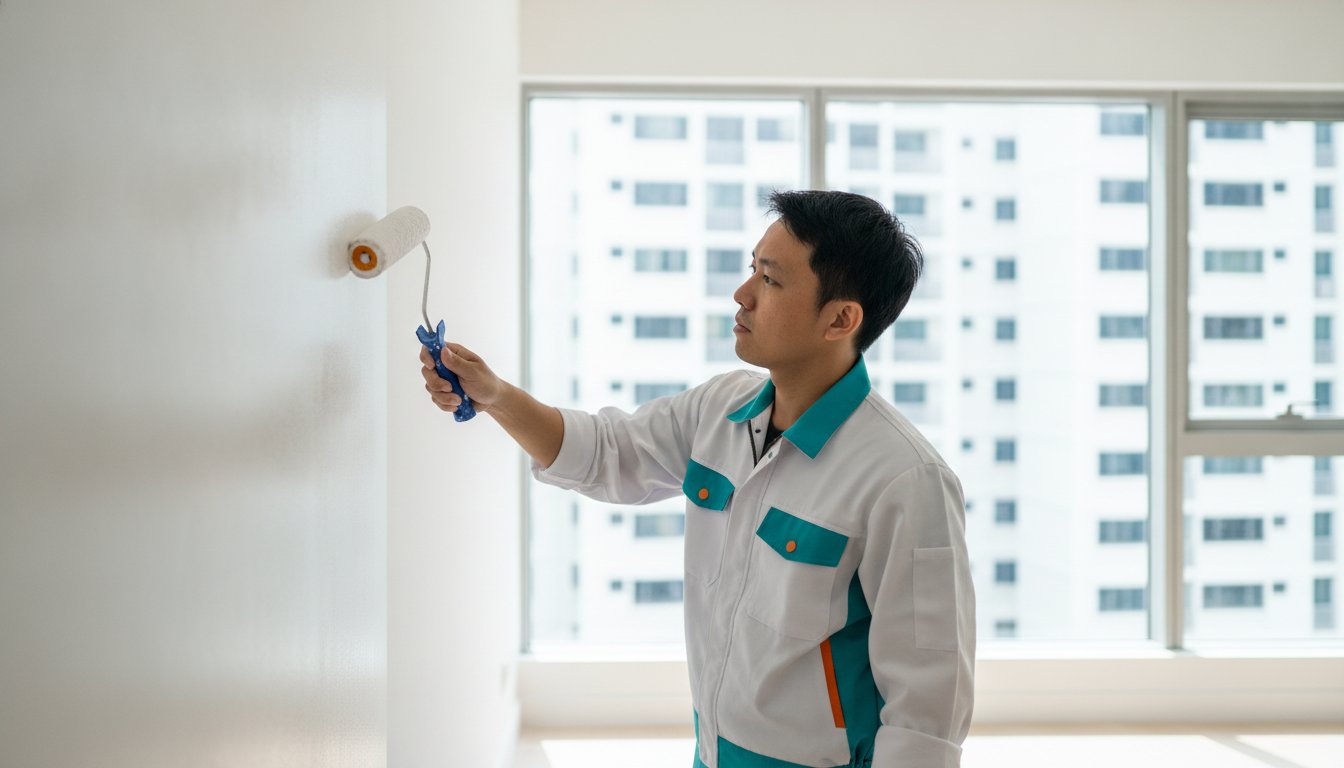
This is also the point where paint type should be discussed. For occupied interiors, low-odor and low-VOC products are usually the safer choice. They do not eliminate smell completely, but they make the space far more manageable during and after application. In apartments with limited ventilation, that choice can make a noticeable difference.
Color selection deserves more thought than many people expect. A fresh white or neutral often feels simple, but coverage depends on what is already on the wall. Dark-to-light changes, bold accent walls, and repairs over uneven surfaces may require more coats. That can affect both project time and drying time.
Preparation is what keeps the apartment livable
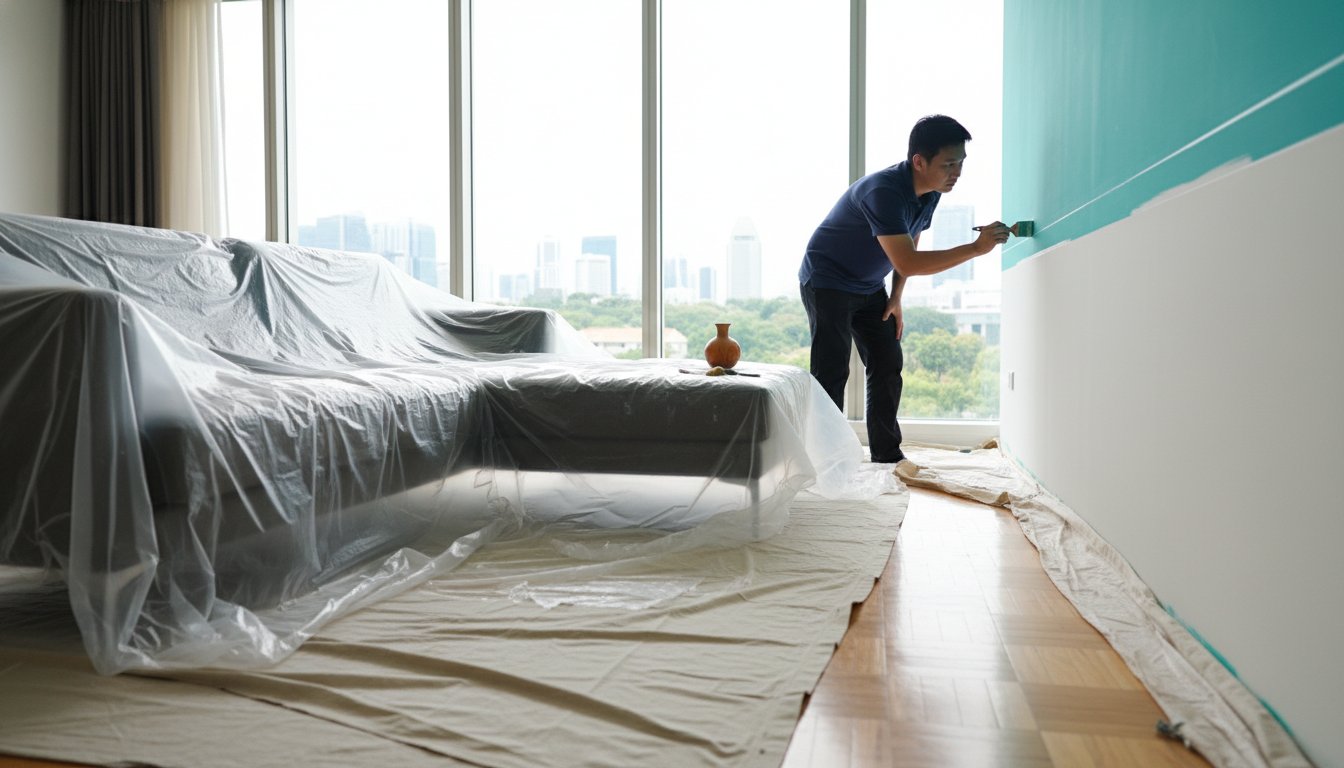
The cleanest occupied paint jobs are won before the first coat goes on. Small decor items, electronics, soft furnishings, and personal belongings should be removed or packed away first. What remains in the room should be shifted toward the center and fully covered. Proper masking of floors, switches, air-conditioning units, curtains, built-ins, and door hardware is not optional in an occupied space. It is the difference between a controlled job and a stressful one.
Many people underestimate how much access painters need. Even if furniture stays in the room, there has to be enough working space to cut in edges, repair wall defects, and apply even coats without brushing against obstacles. Cramming work into tight corners often leads to missed spots, accidental marks, and poor finishing around trim.
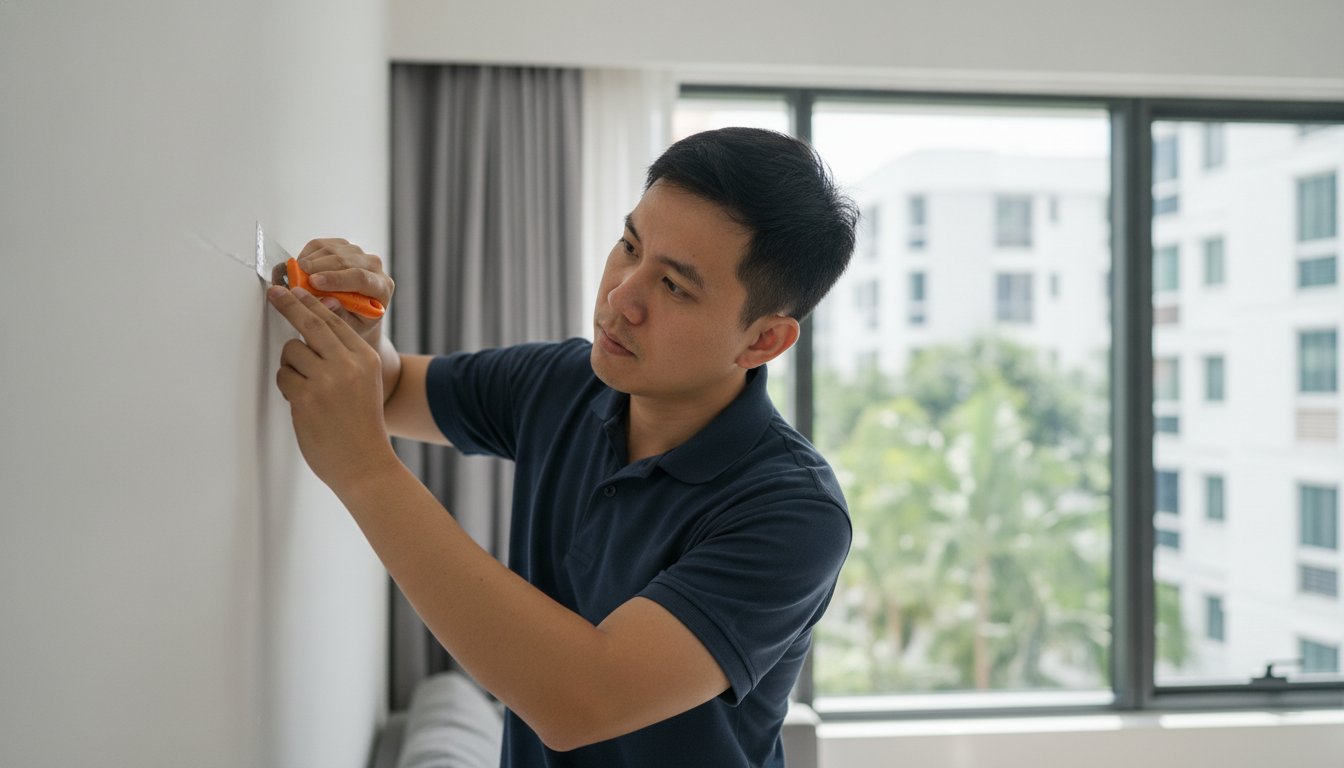
Surface preparation should also stay tidy. Sanding, patching, plaster touch-ups, and stain treatment can all be done with less mess when the team works in sequence and cleans as they go. This is one area where professional handling saves time. A dependable contractor does not just paint the walls. They manage the site so the apartment still feels organized during the process.
The best order for painting an occupied apartment
In most cases, start with the least-used rooms. Guest rooms, study rooms, or storage areas can be completed first, giving residents a temporary swing space while other rooms are being worked on. Bedrooms that are used every night should usually be scheduled carefully so they can dry enough before bedtime, or rotated so one sleeping space remains available.
Living and dining areas often come next because they contain more furniture and need more coordination. Kitchens, bathrooms, doors, frames, and trim may be handled separately depending on the paint system used and the drying conditions. If ceilings are included, they should be done before walls to avoid splatter over fresh surfaces.
For occupied homes, one fully completed room is better than three half-finished ones. Finishing spaces one at a time keeps the apartment functional and helps residents maintain some normal routine. It also gives painters a clean stopping point at the end of each workday.
Ventilation, drying, and smell control
One of the biggest concerns in repainting an occupied apartment is air quality. Open windows help, but ventilation needs to be managed with common sense. In humid conditions, too much outside air may slow drying. In sealed apartments, too little airflow can trap odor. The right balance depends on the unit layout, weather, and paint type.
Fans can help move air, but they should be positioned so they do not blow dust onto wet paint. Air-conditioning may also be useful in some settings, especially to control humidity, though the system and vents should be protected during prep. Residents should expect some smell even with low-odor products, but it should be temporary and manageable if materials and methods are chosen correctly.
Drying time is another place where expectations need to be realistic. A wall may feel dry to the touch within hours, but that does not mean it is ready for furniture to be pushed back tightly against it. Rushing room reset is one of the easiest ways to damage a fresh finish.
When DIY sounds cheaper but costs more
A lot of apartment residents consider painting while occupied as a weekend DIY project. Sometimes that works for a single accent wall. For a full apartment, it often becomes more expensive in time, cleanup, touch-ups, and repainting mistakes than expected.
The issue is not just applying paint. It is planning furniture movement, choosing the right finish, correcting wall defects, protecting surfaces, and keeping the home usable while work is underway. If those details are mishandled, the result is usually visible. Uneven coverage, lap marks, paint on fixtures, and patched areas flashing through the topcoat are common problems.
For landlords and property managers, the risk is even more practical. A sloppy occupied repaint can trigger complaints, delay turnover, or reduce the presentation of the unit. For homeowners, it can mean living with avoidable inconvenience for weeks instead of a few well-managed days.
That is where a service-focused contractor adds real value. Companies like My Paint Job are built around more than paint application alone. The real advantage is handling inspection, protection, prep, execution, and cleanup as one coordinated process, especially when people still need to use the space.
How to make the project easier on yourself
If you are preparing for an occupied repaint, keep daily essentials separate from everything else. Pack one or two days of clothing, chargers, toiletries, medications, work items, and children’s necessities into easy-access bags so you are not opening covered furniture or taped storage during the job.
It also helps to communicate room priorities clearly. If one bedroom must be usable every night, say so early. If you work from home and need quiet during certain hours, that should shape the schedule. The best painting plans are not just technically sound. They are built around how the apartment actually needs to function.
Finally, do not judge progress too early. During the preparation stage, a room can look worse before it looks better. Covers are everywhere, patch repairs are visible, and furniture is out of place. That is normal. What matters is whether the workflow is controlled, the surfaces are being treated properly, and the apartment is being kept clean and protected throughout.
A well-painted occupied apartment should not feel like a compromise. With the right sequencing, proper surface prep, low-disruption methods, and careful cleanup, you can refresh the space without putting daily life on hold. If the goal is a cleaner finish with less stress, the smartest move is choosing a team that knows how to work around people, not just around walls.
Pingback: Best Time to Repaint a House for Lasting Results - My Paint Job Singapore